


Top-rated drywall pros.

Get matched with top drywall pros in Cartersville, GA

Enter your zip and get matched with up to 5 pros

Need a pro for your drywall service project in Cartersville, GA?

Select your specific project to find the pro for you.

TRUSTED BY CARTERSVILLE, GA HOMEOWNERS

  • Average homeowner rating star icon4.5
    Average homeowner rating
  • Verified reviews icon266
    Verified drywall services reviews

Find Drywall pros in Cartersville

Avatar for Dan Schmitt Home Services
Dan Schmitt Home Services
5.0(
7
)
Drywall - InstallDrywall - Repair

Serving Cartersville, GA and surrounding areas

Approved

Warranties offered

Small jobs welcome

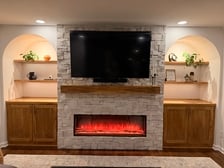
"I’m very happy with the work Dan did installing the drywall for my custom built-in shelves. The finished work looks great, and the attention to detail really shows. He was on time, professional, respectful of my home, and completed the job as promised. I would definitely recommend him to anyone looking for quality work and a reliable contractor. Great job!"
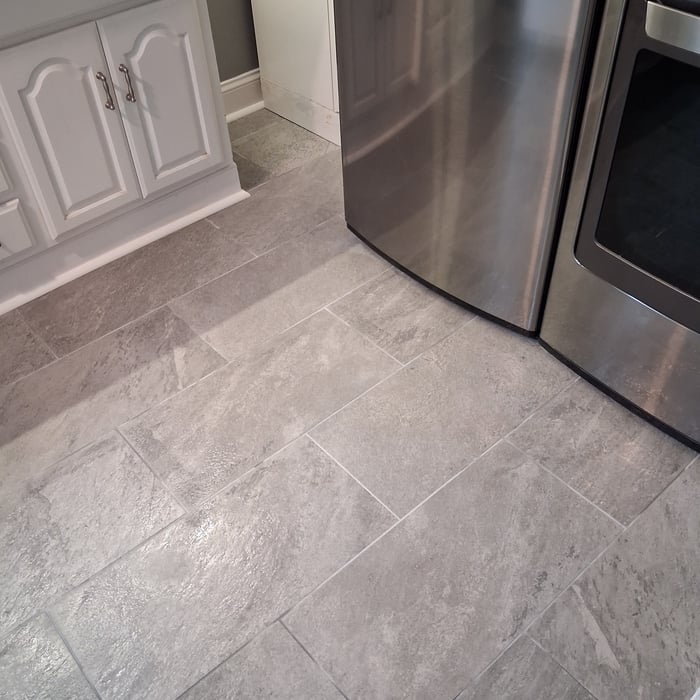
Bathroom Tile Floor
Bathroom Tile Floor
Bathroom Tile Floor
Bathroom Tile Floor
Bathroom Tile Floor

+19

1 neighbors recently requested a quote
...
Showing 1-10 of 475
Drywall questions, answered by experts

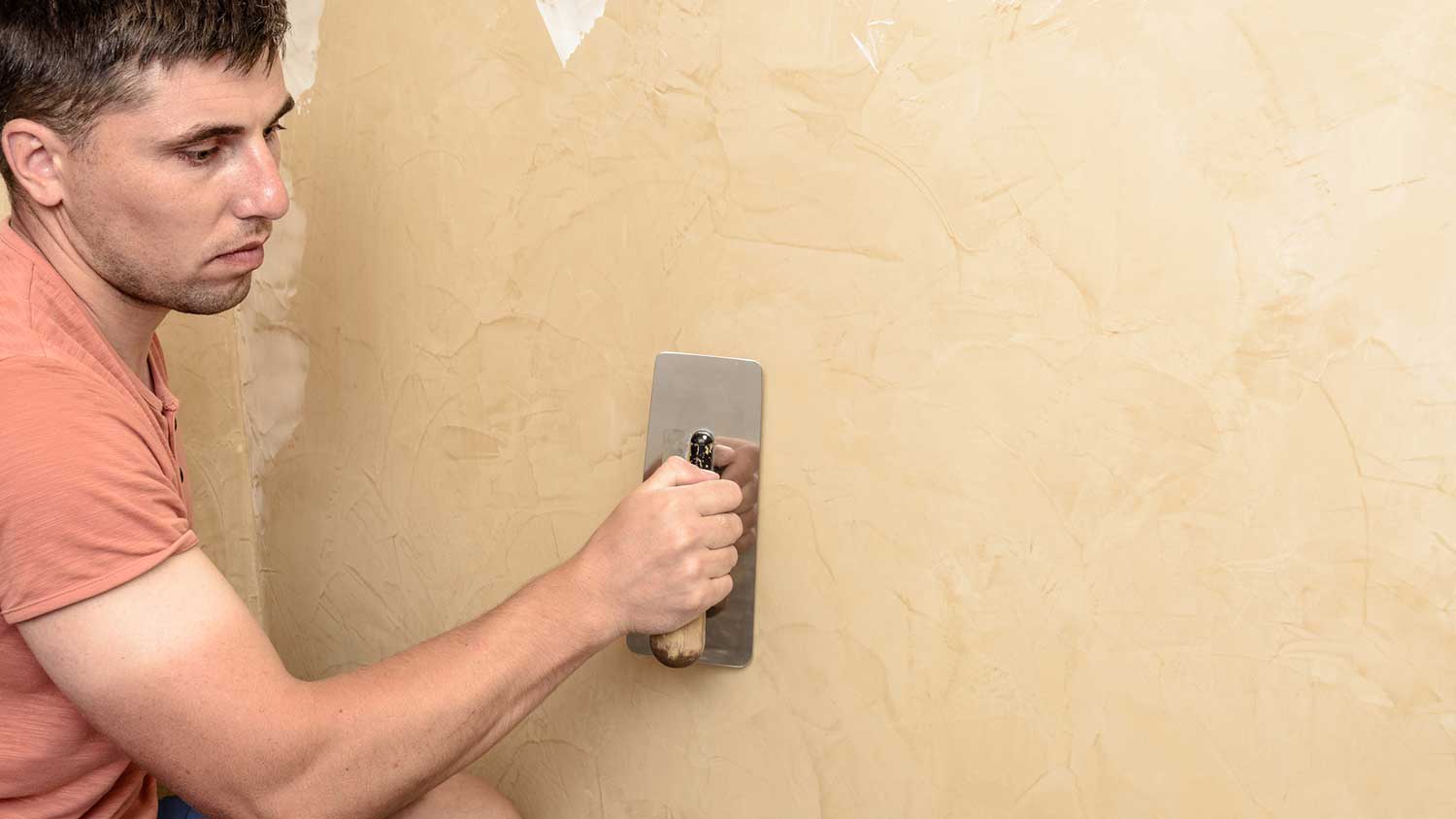
While certain types of textured walls can seem dated (looking at you, popcorn), textured walls are a common sight in both older and more modern homes. The main reason textured walls may be here to stay is that they are an excellent way to hide minor imperfections on a wall and give it a finished appearance. Some homeowners think a coat of paint on drywall is a bit industrial-looking. However, that look works perfectly in modern home design

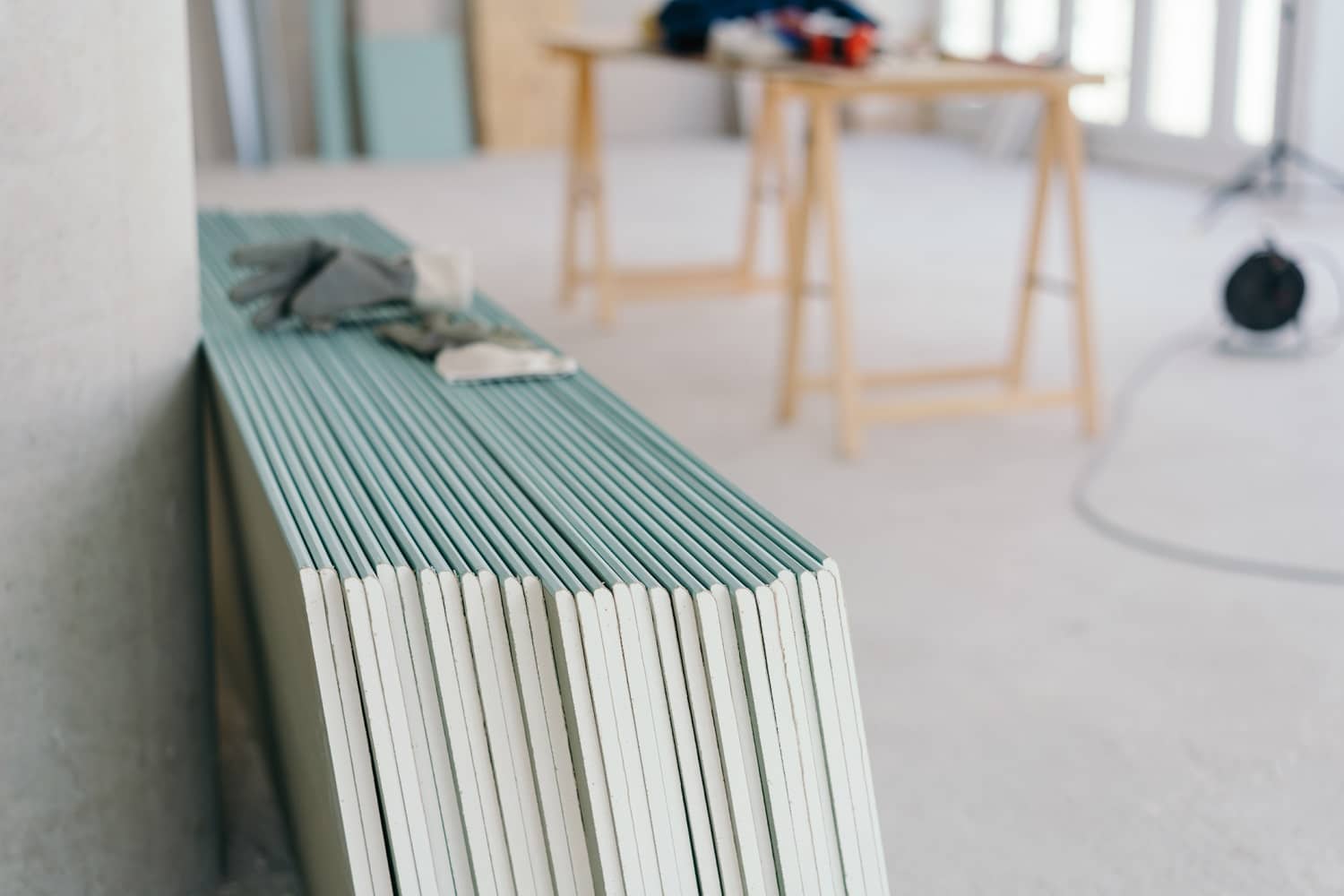
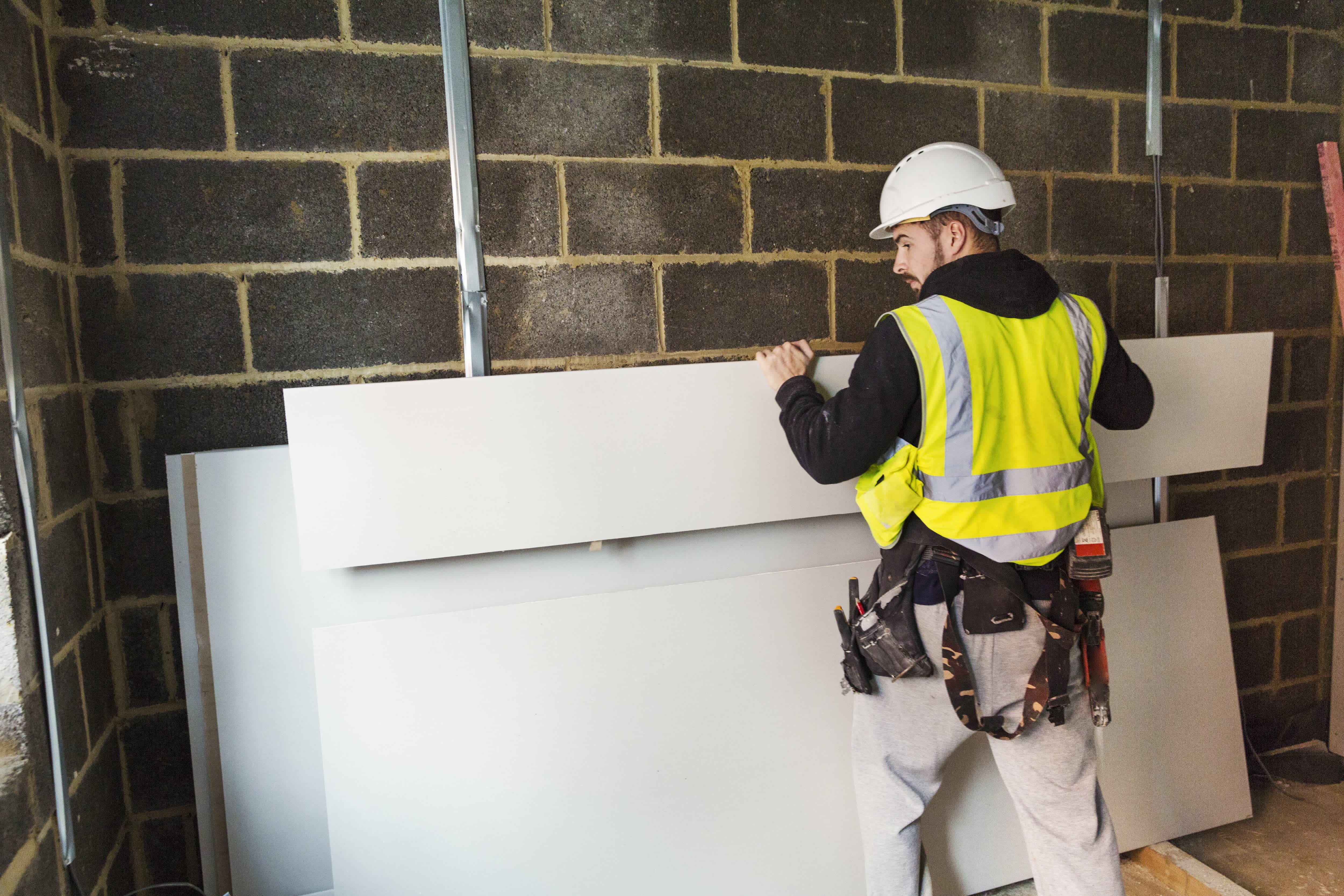
The two most common drywall thicknesses for ceilings are 1/2-inch and 5/8-inch. For most standard residential applications, 1/2-inch drywall is sufficient and widely used. It provides adequate support and is lighter and easier to handle during installation compared to thicker sheets. However, 5/8-inch drywall is often used for specific cases where additional benefits are needed. It is heavier but provides superior sound dampening and fire resistance. You should consider using 5/8-inch drywall for ceilings in commercial buildings, between a garage and a living space, or above a finished basement to meet building codes or for enhanced soundproofing.

Plaster is denser, harder, and more porous than drywall, so it absorbs moisture differently. This means you’ll often need more prep work, such as thorough sanding, patching, and priming with a high-quality bonding primer. Additionally, you may need more coats of paint to achieve even coverage. While the process takes more time, it helps ensure a durable and professional-looking result.

Both plaster and drywall are durable wall finishes, but they differ significantly in installation, cost, performance, and aesthetics.

Installation & Cost: Drywall installation is faster and more affordable, typically costing $1.50 to $3 per square foot. It uses premade sheets, making it a more accessible DIY project. Plastering is a labor-intensive craft that requires specialized skills, pushing costs to $2 to $10 per square foot. It involves applying a wet paste over a lath framework.

Durability & Performance: Plaster is generally more durable, longer-lasting, and provides superior soundproofing. It is also a better insulator, which can help reduce energy costs. Drywall is easier to remove for future renovations.

Aesthetics: Drywall provides a smooth, uniform surface ready for paint or texture. Plaster offers a high-end, naturally textured look that can hide imperfections and is often preferred for achieving a classic or historic aesthetic.

Which is better? The choice depends on your priorities. Drywall is ideal for those prioritizing a lower upfront cost, faster installation, and DIY potential. Plaster is the better option for a higher-end project where durability, soundproofing, and a unique, premium finish are more important than the initial cost.

The age of your home can clue you in to whether you have plaster or drywall ceilings. Homes built after the ‘70s are more likely to have drywall ceilings and walls, while older homes have plaster. You can also do the pushpin test: A pushpin will go into drywall, whereas it’s much harder to push one into a plaster wall. If you’re still unsure, ask a drywall professional to let you know which type of ceilings and walls you have.

The Cartersville, GA homeowners’ guide to drywall services

From average costs to expert advice, get all the answers you need to get your job done.