


Top-rated tree service pros.

Best tree service pros near Arlington, GA

Enter your zip and get matched with up to 5 pros

Need a pro for your tree service project in Arlington, GA?

Select your specific project to find the pro for you.

TRUSTED BY ARLINGTON, GA HOMEOWNERS

  • Average homeowner rating star icon4.4
    Average homeowner rating
  • Verified reviews icon14
    Verified tree services reviews

Top-Rated Tree service pros in Arlington - Updated Nov 2026

Avatar for Cut It Out Tree Services
Cut It Out Tree Services
4.6(
12
)
Tree RemovalTree Removal - For BusinessTree Trimming+1 more

Serving Arlington, GA and surrounding areas

In business since 2008

Free estimates

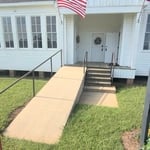
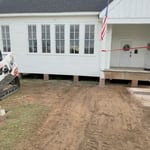
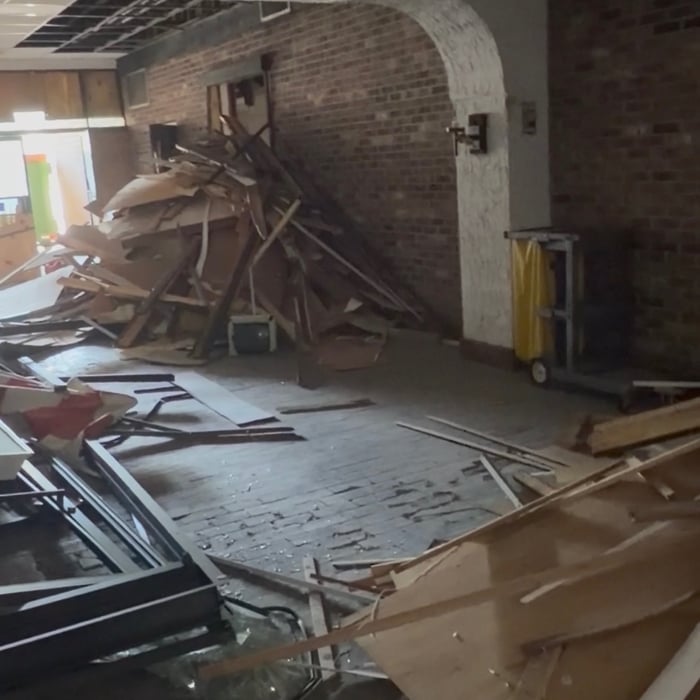
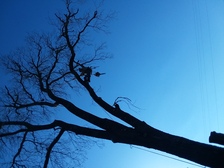
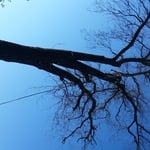
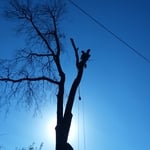
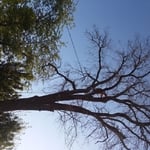
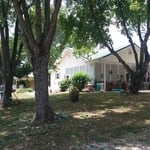
"Pros...Outstanding and timely service; Most importantly the cost of their service was not outrageously high like most tree services located in Fayetteville--that want to take advantage of you due to hurricane damage!"
Removal
Removal
Removal
After
Before

+4

Response time3 days
Recommended by100%of homeowners
...
Showing 1-10 of 64
Tree Service FAQs, answered by experts

Coverage varies quite a bit by policy, but most homeowners' insurance policies will cover $500 to $1,000 of the cost of removing a tree. Additionally, if your tree causes damage to your property, like your house, many policies will cover some or all of the costs to repair the damage, depending on why the tree fell.

Consumers typically do not need to worry about the cost of tree insurance, as professional tree service companies pay for their own coverage. For a tree service business, an average U.S. policy covering about $1 million in general liability costs roughly $40 a month or $500 a year. More extensive policies, providing between $500,000 to $2 million in coverage, can cost between $3,000 and $6,000 annually, depending on the company's size and scope of work. Tree service professionals should speak with an insurance company to determine the right plan for their business.

Yes, tree roots can regenerate after they’re pruned or cut. In fact, trimming can stimulate new growth, especially in healthy trees. The tree’s roots can still grow back even after a tree is cut down, (and learning how to get rid of regrowing tree roots is a separate feat). Still, if you don’t wish to harm a tree, pruning the roots should be done with extreme care, and ideally by a professional.

A pro can guide you on the alternatives to tree topping depending on the specific issues within your trees. For example, if you’re dealing with breakage and cracks in your tree, they may suggest canopy reduction, which removes less than 25% of the tree’s limbs. If you’re dealing with lesser damage, some intentional pruning may be all you need. If you’re looking to get a clearer view through your tree, the pro may also try windowing or skirting your tree.

In most ways, palm trees are incredibly low-maintenance. They don’t need a ton of water—which is why they’re so beloved in desert regions—and they basically prune themselves. But they do need an ample supply of sunlight and to be in soil that will allow for proper drainage so that their roots don’t become waterlogged and at risk of developing illnesses.

If the plant begins to wilt, develop spots, or change color, these could all be signs that your palm tree has a disease. But a few basic treatments, like pruning and applying fungicide, will usually be more than enough to return it to perfect health.

The Arlington, GA homeowners’ guide to tree services

From average costs to expert advice, get all the answers you need to get your job done.