






Top-rated tree service pros.

Get matched with top tree service pros in Colquitt, GA

Enter your zip and get matched with up to 5 pros

Need a pro for your tree service project in Colquitt, GA?

Select your specific project to find the pro for you.

Find Tree service pros in Colquitt

Avatar for Cut It Out Tree Services
Cut It Out Tree Services
4.6(
12
)
Tree RemovalTree Removal - For BusinessTree Trimming+1 more

Serving Colquitt, GA and surrounding areas

In business since 2008

Free estimates

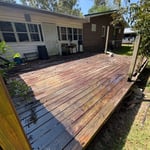
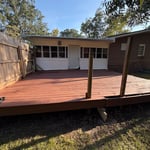
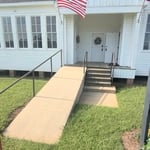
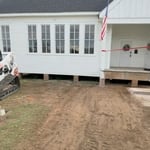
"Pros...Outstanding and timely service; Most importantly the cost of their service was not outrageously high like most tree services located in Fayetteville--that want to take advantage of you due to hurricane damage!"
Removal
Removal
Removal
After
Before

+4

Response time3 days
Recommended by100%of homeowners
...
Showing 1-10 of 67
Tree Service questions, answered by experts

The best time to transplant a tree is when it is dormant. For many trees, this means either in the fall after the leaves have dropped (around October or November) or in early spring before new growth begins (around March). The ideal timing can depend on the type of tree. Deciduous trees do well when moved in early spring or fall, while evergreens are best transplanted in early spring or late summer. For example, pine trees are best moved in early fall, but maples prefer late fall. Avoid transplanting in winter, as the frozen or hard, cold soil poses a significant risk to the roots and prevents the tree from acclimating properly.

There are many signs that a tree is diseased or dying, and if you suspect that’s the case, you should call an arborist immediately. You might notice rot or fungus on the trunk or that the tree is beginning to lean to one side. Brittle branches or signs of root damage are other indicators that a tree is in trouble. If the tree is dying, it might be time to cut the tree down so it doesn’t fall.

Yes, forestry mulching can grind stumps, but the level of effectiveness depends on the equipment used. Drum mulchers can break down smaller stumps, but larger or deep-rooted stumps may require a dedicated stump grinder for complete removal. If full stump removal is necessary for replanting or construction, additional excavation may be needed. Always check with your forestry mulching provider to confirm whether they offer stump grinding and if their equipment is suitable for your specific needs.

A tree can grow back from its stump, but full regrowth is unlikely (especially for more stubborn conifer trees). Instead, trees are more likely to send up a number of shoots from the dead stump, which will try to develop into primary stems over time. In other words, it will start to look increasingly bushy. The goal of killing and drying out a tree stump is to prevent that from happening, as well as make the stump easier to completely remove.

In some states and municipalities, you will need a permit to remove a tree on your property. In many cases where permits are required, a tree must reach a maximum height before a permit is required to remove it. You can either ask your local building department or a tree removal professional if you’ll need a permit. If you do, you can expect to pay between $50 and $150 for the permit alone. Your tree removal company should pull the permit for you and include the permit fee in your total.

The Colquitt, GA homeowners’ guide to tree services

From average costs to expert advice, get all the answers you need to get your job done.