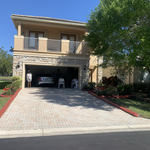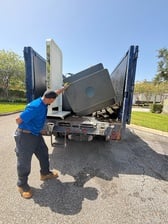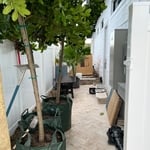





Top-rated excavation pros.

Get matched with top excavation pros in Wellington, FL

Enter your zip and get matched with up to 5 pros

Need a pro for your excavation project in Wellington, FL?

Select your specific project to find the pro for you.

TRUSTED BY WELLINGTON, FL HOMEOWNERS

  • Average homeowner rating star icon4.8
    Average homeowner rating
  • Verified reviews icon64
    Verified excavation services reviews

Find Excavation pros in Wellington

Avatar for Masterpiece Land Builders Corp
Masterpiece Land Builders Corp
5.0(
15
)
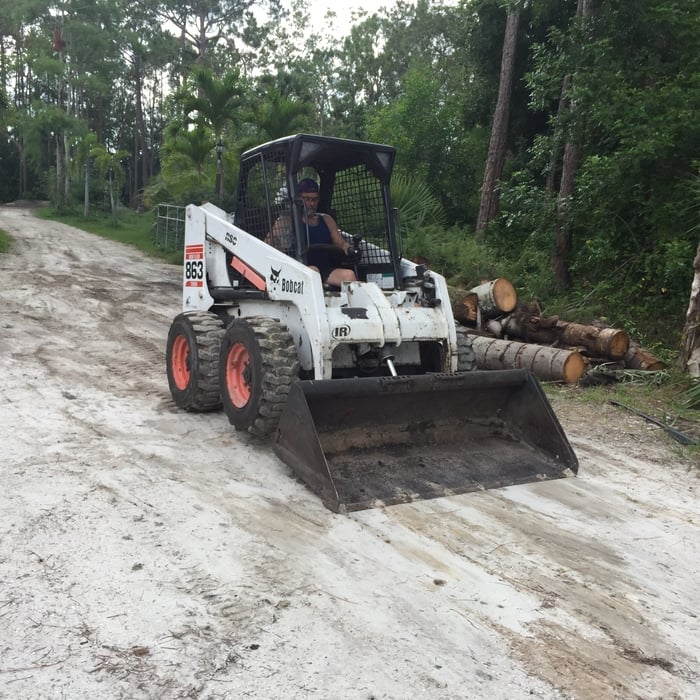
Building Site - Preparation and ClearingLandscape - Minor Grading or ReslopingBuilding Site - Preparation and Clearing - For Business+2 more

Serving Wellington, FL and surrounding areas

Approved

In business since 2020

Free estimates

Offers commercial services

"Highly recommend! did an excellent job on my property. Professional, reliable, and clearly knows what he’s doing. The work was done efficiently, the site was left clean, and the results were exactly what I hoped for. I wouldn’t hesitate to use him again or recommend him to anyone needing excavation work."
project photos
2 neighbors recently requested a quote
Mexico & Guatemala Landscaping Services, Inc.
3.8(
105
)
Landscape - Minor Grading or Resloping

Serving Wellington, FL and surrounding areas

Approved

In business since 2017

Free estimates

Customers say: True professional

"Henry was prompt for our visit, with a sensible crew (2 others). His quote for trimming 6 feet x 100 linear feet and removing debris was cost-effective. Fortunately he is flent in English, and I was happy to provide refreshments while they worked. I have other tree trimming and thinning bto do soon. 5 stars. Also, they cleaned up years of leaves which had accumulated over years, an additional value."
Response time1 day
6 neighbors recently requested a quote
Recommended by92%of homeowners

...
Showing 1-10 of 260
Excavating questions, answered by experts

Trenches are typically 12 to 24 inches deep and 8 inches wide. However, the required depth depends on the specific project and local ordinances. For example, a French drain may need to be 18 inches deep, while a water pipe might require a depth of 24 inches and a drainage pipe 36 inches. Your city or county may have specific regulations, so it's wise to consult with an excavation professional to determine the correct depth for your project.

If you have a broken sprinkler pipe underground, there will be some signs you can easily spot to locate it and take action. These include leaks, water spouts, flooding, consistently damp areas on your lawn, low water pressure, and grass around the sprinkler head that’s taller and darker than anywhere else in the yard. 

If there are no obvious signs of a broken pipe, you can use tools such as water leak mics, leak noise loggers, audio devices that record leaks, and acoustic testing links. 

Broken pipes can lead to uneven watering, plant damage, and higher utility bills. The longer you wait to fix them the more the repair cost may be.

Trenching and boring are two distinct methods for installing underground utilities. Trenching involves digging a channel using equipment like an excavator, trencher, backhoe, or shovel. While it is a simpler process, it causes significant disruption to the surface, landscaping, and surrounding ecosystems.

Boring, also known as directional boring, is a less invasive alternative that uses a drill to create a tunnel for utility lines without disturbing the surface. This method is more precise and is ideal for installations that need to go underneath buildings, roads, or bodies of water. Although boring is less disruptive, it is generally more expensive than trenching.

A trench that is less than 5 feet deep often doesn't require a protective system. Most residential trenches will not go this deep (the typical residential drainage trench is just 18 inches deep). In the event that an excavator needs to dig more than 5 feet beneath the surface, a protective system is required unless the excavation is in entirely stable rock.

Your contractor should handle dust control during the project. It's best to speak with your contractor beforehand to check if they plan to cover your furniture, protect your vents, or use fans to redirect dust. Eliminating drywall dust is a particularly large challenge during construction, so always take this into account during your planning phase.

The Wellington, FL homeowners’ guide to excavation services

From average costs to expert advice, get all the answers you need to get your job done.