




Top-rated excavation pros.

Best excavation pros near Belle Glade, FL

Enter your zip and get matched with up to 5 pros

Need a pro for your excavation project in Belle Glade, FL?

Select your specific project to find the pro for you.

Top-Rated Excavation pros in Belle Glade - Updated Nov 2026

Avatar for W.E.B. United, LLC
W.E.B. United, LLC
4.9(
40
)
Landscape - Minor Grading or Resloping

Serving Belle Glade, FL and surrounding areas

Approved

In business since 2014

Emergency services offered

Credit card accepted

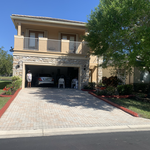
"Courtyard style home that had a rain water back up by front doors. Bruce took up pavers, installed a catch basin and then a 4" pipe under front doors to an other catch basin, put pavers back and fixed front door. Was very happy with the job."
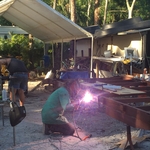
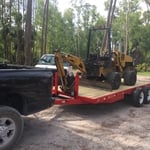
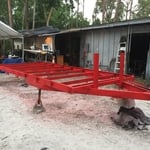
trailer repair
Trencher & Backhoe
Trailer Repair
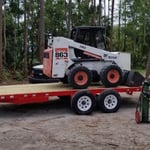
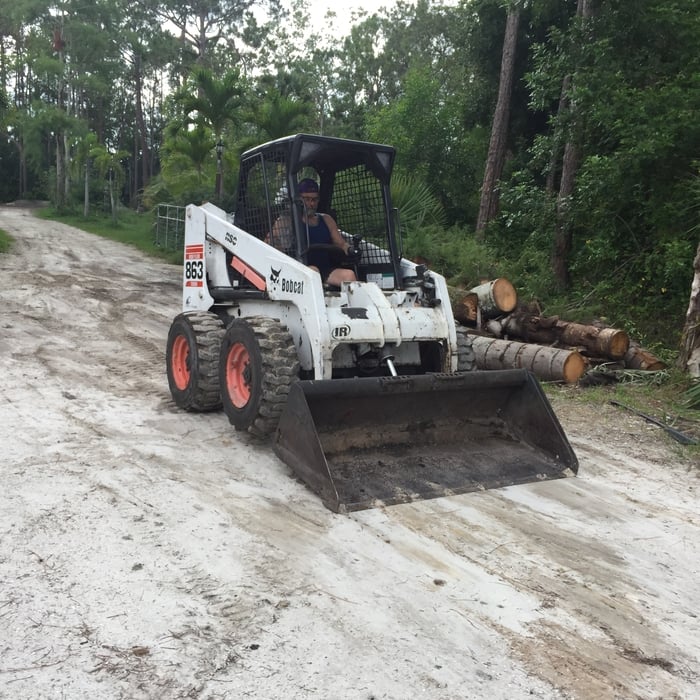
Bob Cat Services
Driveway grading

+8

Response time7 hrs
Response rate93%
Recommended by100%of homeowners
...
Showing 1-10 of 101
Excavating FAQs, answered by experts

You should dig 3 to 6 inches deep for plastic edging. Dig as wide as you need to fit your plastic edging into it—2 inches is usually sufficient.

Most states do not require excavation companies to hold specific licenses, but many require at least a contractor’s license. Additionally, heavy equipment operators require a special commercial equipment license to operate machinery required for excavation. You can use Angi’s contractor licensing tool to confirm that an excavation company you’re considering hiring is fully licensed. You should also make sure that the excavation team is fully insured before allowing them to work on your property.

The best type of soil to build on is a mixture of sand and clay, known as loam soil. Loam soil has the best combination of these soil types to build a foundation on. The clay particles help with water retention, so it won’t erode like sandy soil might, and the sandy particles help with drainage, so you won’t see unsafe soil expansion or have an increased risk of leaks from water sitting against your foundation.

Septic drain lines (or leach lines) are typically buried between 18 and 36 inches underground, and should be at least 6 inches below the surface. These pipes are perforated and surrounded by filtering materials like sand or gravel. Burying the lines at this depth helps minimize odors and allows bacteria and other biological processes in the soil to effectively treat the wastewater. Burying lines too close to the surface can cause issues unless the soil is very compact and stable.

Yes, you can install a trench drain if you already have concrete in your yard or garden. While it can complicate some aspects of the job and slightly run up the cost, it is doable. Residential trench drains can be easily retrofitted to outdoor areas with concrete without having to remove excessive amounts of your patio, pool area, or decorative walkways.

The Belle Glade, FL homeowners’ guide to excavation services

From average costs to expert advice, get all the answers you need to get your job done.