


Top-rated excavation pros.

Best excavation pros near Lake Worth, FL

Enter your zip and get matched with up to 5 pros

Need a pro for your excavation project in Lake Worth, FL?

Select your specific project to find the pro for you.

Top-Rated Excavation pros in Lake Worth - Updated Nov 2026

Psb home solutions
4.3(
38
)
Landscape - Minor Grading or Resloping

Serving Lake Worth, FL and surrounding areas

Approved

Super Service Award Winner

In business since 2022

Free estimates

Credit card accepted

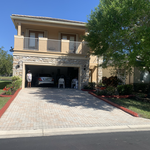
"Recommended and applied proprietary product that filled in between large paver area by pool and loggia. Secured all the pavers which had been originally installed with no filling product between pavers. Work done promptly and secured pavers plus attractive finish of product used."
Response time8 hrs
60 neighbors recently requested a quote
Recommended by69%of homeowners

Mexico & Guatemala Landscaping Services, Inc.
3.8(
105
)
Landscape - Minor Grading or Resloping

Serving Lake Worth, FL and surrounding areas

Approved

In business since 2017

Free estimates

Customers say: True professional

"Absolutely fantastic! I hired them on the spot. Great prices, professional, friendly, and fast service. I hired them for 1 project and ended up keeping them for a second project. I would highly recommend them for all your landscaping needs."
Response time1 day
3 neighbors recently requested a quote
Recommended by92%of homeowners
...
Showing 1-10 of 229
Excavating FAQs, answered by experts

Sewer lines can be buried anywhere from 18 inches to 8 feet deep, with a common average depth between 18 and 30 inches. The exact depth depends on local factors like climate and soil type. In colder regions, pipes must be buried deeper (below the frost line) to prevent freezing, sometimes as deep as 8 feet. The digging depth can also impact the cost of sewer line replacement. To find the specific depth for your property, you can check the building plans for your system, which should be on file with your city or local sanitation department since permits are required for installation.

A joint utility trench, or joint trench, is a long, buried ditch on a property that contains two or more utility lines rather than running the lines in multiple trenches. Some utilities, like gas and electric or electric and communication lines, are better suited to joint trenching, while others, like water and sewer, are not allowed to be in the same trench.

Consultation with the local government helps identify necessary permits, avoid project delays or legal issues, and protect project integrity.

Whether you grind or dig up and remove your tree stump depends on your landscaping goals. Using a stump grinder leaves the root system in place for it to decompose over time, whereas digging up the tree stump removes the roots and the stump. Overall, stump grinding is a far simpler process since you won’t need to deal with the roots. Stump removal will make your yard look like a demolition site, but you’ll have an easier time replanting in the same place as your former tree.

The best way to protect tree roots is to avoid the roots entirely by excavating outside the root radius of the tree. For nearby projects, it’s a good idea to construct a temporary retaining wall. But that’s not always possible, depending on the project and the root system. In these cases, consider using alternative equipment like an auger to tunnel under the ground.

Remember, tree roots can damage nearby cement foundations as they grow. If a tree is close enough to interfere with large excavations, it may be better to remove the tree than risk future problems.

The Lake Worth, FL homeowners’ guide to excavation services

From average costs to expert advice, get all the answers you need to get your job done.