


Top-rated generator install pros.

Get matched with top generator install pros in Parkland, FL

Enter your zip and get matched with up to 5 pros

Need a pro for your generator install project in Parkland, FL?

Select your specific project to find the pro for you.

TRUSTED BY PARKLAND, FL HOMEOWNERS

  • Average homeowner rating star icon4.6
    Average homeowner rating
  • Verified reviews icon87
    Verified generator installs reviews

Find Generator install pros in Parkland

KPB SERVICES COMPANY INTERNATIONAL INC.
5.0(
5
)
Fixed Generator - Install

Serving Parkland, FL and surrounding areas

Approved

In business since 2011

Free estimates

Credit card accepted

We pride our company on reliability, great communication, integrity, and quality work. We are experts in our trade and will do our best to keep you as educated as we can on your particular task or project. We look forward to earning your business! Call Today!

my jobs.
my jobs.
my jobs.
my jobs.
my jobs.

+3

Response time8 hrs
Response rate97%
19 neighbors recently requested a quote
...
Showing 1-10 of 198
Generator Install questions, answered by experts

In most municipalities, you will need a permit to install a permanent home generator, including emergency backup, partial-home, and whole-home generators. A permit for a generator usually costs between $50 and $250, depending on where you live. Your electrician or certified generator installer will usually pull the permit for you—and might be required to do so by your building department—but you’ll be on the hook for the cost of the permit. You should ask your installer before agreeing to any work if they will pull the necessary permits for your project.
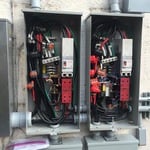
Yes, natural gas generators can work without electricity. Natural gas generators are a common type of backup or whole-house generator that operates when the electrical grid isn’t working. The trick is using a transfer switch (which usually needs to be installed with the generator) that safely switches the home electrical system from the power grid to generator power when needed.

It is safe to run a generator continuously, but you must follow safety protocols to ensure personal and home safety. Read the manufacturer’s instructions for specific recommendations, but the general recommendation is to turn generators off overnight or when you’re away from the house. Overworked generators can pose a fire hazard and if your generator is not in a well-ventilated area, running it continuously could lead to carbon monoxide poisoning.

While the rating will tell you how many watts the refrigerator needs at the peak of its cycle, it requires additional wattage to start. At the bare minimum, you’ll need a 1,500-watt generator to get the fridge up and running after a blackout. A 2,000-watt generator should be sufficient for most home refrigerators.

To reduce AC startup power for a whole-house generator, install a soft start kit or hard start capacitor, which lowers the initial surge by gradually ramping up the compressor. Using a smart load manager can also help by staggering startup loads, preventing a system overload and future costly repairs.

The Parkland, FL homeowners’ guide to generator installs

From average costs to expert advice, get all the answers you need to get your job done.