


Top-rated radon detection and reduction specialists.

Get matched with top radon detection and reduction specialists in Old Town, FL

Enter your zip and get matched with up to 5 pros

Need a pro for your radon detection and reduction project in Old Town, FL?

Select your specific project to find the pro for you.

Find Radon detection and reduction specialists in Old Town

Avatar for Coastal Empire Roofing & Construction Co
Coastal Empire Roofing & Construction Co
3.1(
16
)
Radon Gas - AbatementRadon Gas - Testing

Serving Old Town, FL and surrounding areas

In business since 1998

Free estimates

Emergency services offered

"Once they started working on it, the work was great. What they did was good, but they forgot to put caulking on one of our skylights. They came back quickly to fix it. We put half the money down and then we didn’t hear anything for 4 months. I guess they were switching company owners, but since then it has been good."
Pantarah Sunroom Series
Recommended by80%of homeowners

Radon Detection and Reduction questions, answered by experts

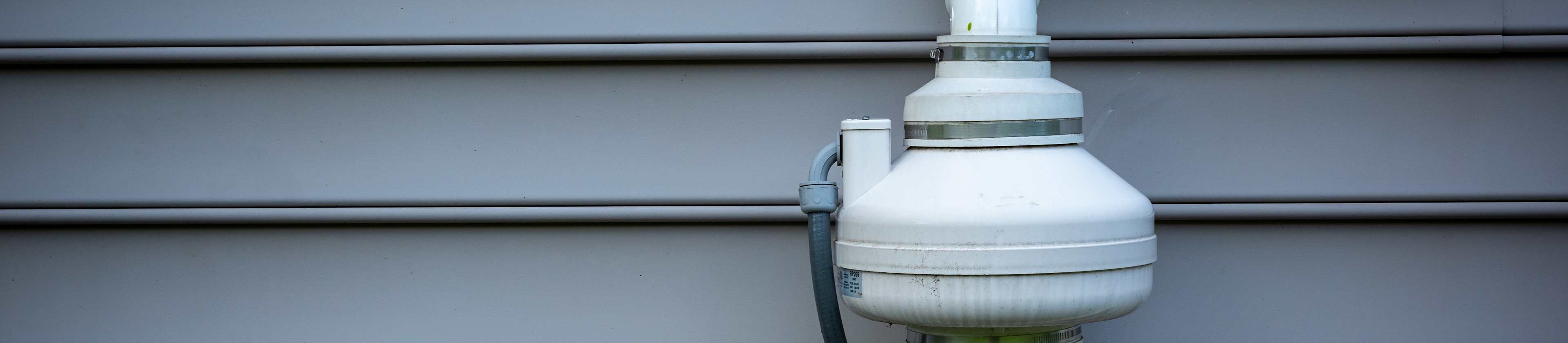
The average radon mitigation system uses about 876 kWh of electricity per year, although the exact amount of electricity used will vary depending on the size of the radon fan. Once the system is installed, the annual increase to your energy bill could range from $30 to $300 per year, again depending on the size of the fan.

Many radon fans carry a five-year manufacturer's warranty. That said, your radon fan should last between five and ten years. Regular inspections will ensure the fan is operating properly. Unusual or exceptional noise coming from the fan or indications on your manometer or system monitor can immediately tell you that something is amiss.

Radon is present almost everywhere but, like sunlight, the concentration levels and how often you are exposed to it have a large part to play in just how dangerous it is. There are levels of radon that are acceptable inside a house, but above a certain limit, radon becomes a serious radioactive hazard that is a known cause of lung cancer. In fact, radon exposure is the number two leading cause of lung cancer (after smoking).

Ideally, no one will live in a house with elevated radon levels, as prolonged exposure increases the risk of serious health issues like lung cancer. However, homes with radon can be made safe through mitigation systems, such as active soil depressurization. Testing for radon regularly and addressing high levels helps ensure a safe living environment.

You'll need to test your home for radon after installing the mitigation system, then again every two years. If radon remains elevated, contact a licensed radon professional, either the contractor who installed the system or a different one, and have them evaluate the system. They may need to make some changes to improve its effectiveness and performance.

The Old Town, FL homeowners’ guide to radon detection and reduction services

From average costs to expert advice, get all the answers you need to get your job done.