



Top-rated radon detection and reduction specialists.

Get matched with top radon detection and reduction specialists in Niceville, FL

Enter your zip and get matched with up to 5 pros

Need a pro for your radon detection and reduction project in Niceville, FL?

Select your specific project to find the pro for you.

Find Radon detection and reduction specialists in Niceville

Florida Mold Removal Service Group
5.0(
7
)
Radon Gas - AbatementRadon Gas - Testing

Serving Niceville, FL and surrounding areas

Free estimates

Emergency services offered

Credit card accepted

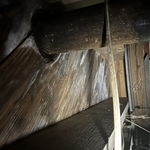
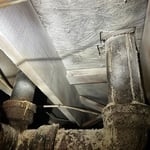
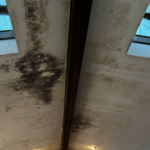
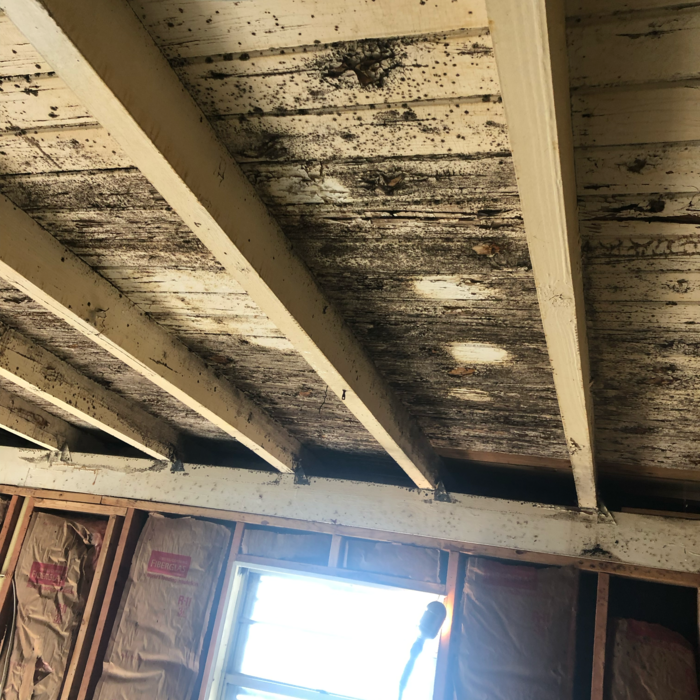
"*7/7/23! I was very pleased with the services I received from Mr. Christopher! The services this technician provided (Concern the MOLD DAMAGE) Was very helpfulness! He put my mind @ ease! SATISFIED my FEARS!, that came along with a Tidal Wave ? of ANXIETY!!! & many worries triggered by my lack of knowledge of this MOLD Beast!!!/(That can indeed be DANGEROUS & Hazardous to your HEALTH!!!)"!! which was spreading fast!!! Anyway I personally would HIRE & RECOMMEND this Professional agent again?!!! Thanks a Million ?‍♀️."
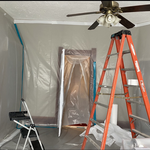
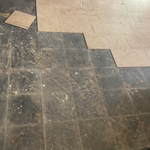
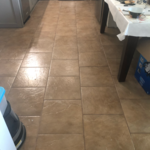
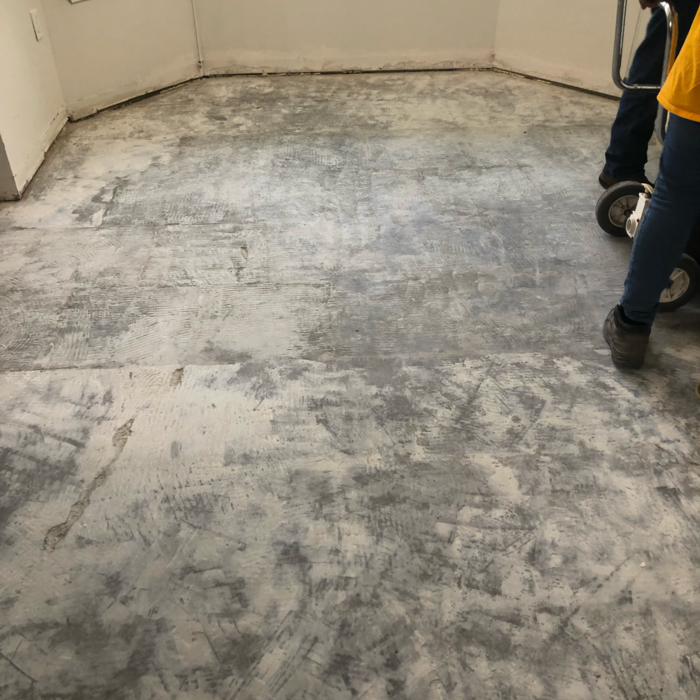
Mold Remediation Project
Additional Photos
Additional Photos
Additional Photos

+2

Recommended by100%of homeowners

Radon Detection and Reduction questions, answered by experts

Yes, many systems include warranties for performance. Confirm terms with your installer.

No level of radon is technically safe, but since it is naturally present everywhere, it is impossible to avoid entirely. The average radon level in homes across the United States is 1.3 picocuries per liter (pCi/L). The Environmental Protection Agency (EPA) recommends taking action to reduce radon levels if your home's test results are between 2 and 4 pCi/L or higher.

Your radon fan needs to operate 24/7 to be effective. The only time the fan isn't operating is during its replacement. Radon levels in the home can increase within hours if the fan stops working or something obstructs the stack vent. Fortunately, radon systems require no downtime maintenance between fan changes.

The soil beneath your house is most likely what’s causing an increased level of radon. This is because soil holds radioactivity for a long time and it’s also what most buildings are built on. Another common source of radon is water from a source that hasn’t been through periodic radon tests, such as well water. Over time, the radon from the soil can inhabit other parts of your house like the foundation or plumbing.

The cost to replace a radon fan ranges from $300 to $600 for the fan itself, with installation adding an additional $200 to $500. Overall, the total cost for replacement can range from $500 to $1,100, depending on factors such as the fan model, home size, and local labor rates. If the fan is part of a larger radon mitigation system, the price may be higher.

The Niceville, FL homeowners’ guide to radon detection and reduction services

From average costs to expert advice, get all the answers you need to get your job done.