



Medina Environmental and Demolition Services LLC
Radon Gas - Testing
Serving Freeport, FL and surrounding areas
Approved
In business since 2013
Free estimates
Credit card accepted
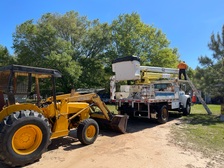
"Working with Juan and his team at Medina Environmental was hands down the easiest and most painless process for getting work done on a house I've ever had. Juan was incredibly responsive to all of my questions related to the work they were doing, timelines, and even some questions about other work I needed done on the house that technically were out of the scope of our agreement. He was patient with all of my questions, and very helpful. It's clear that Juan really understands his craft, as he is able to succinctly explain all aspects of all the work to be done in a way that is understandable by people who are not in the industry. This is a clear indication that he and his team are professional and knowledgeable. I was educated fully on the process of removal and informed that there would be a 10-day waiting period after the removal had been filed. This gave me peace of mind to have a clear understanding of the start and end dates. The work was done quickly, by the time promised, and all the deliverables outlined in the summary of work were completed to my satisfaction. Once the job was completed, Juan ensured I quickly received the manifest to prove that the asbestos was disposed of properly and in accordance with regulation. I would recommend his team, and I will definitely utilize them on any project going forward that has services in the scope of their skill sets."
+13
1 neighbors recently requested a quote
Recommended by100%of homeowners