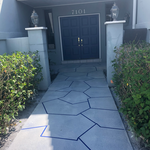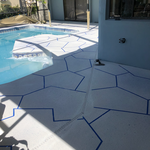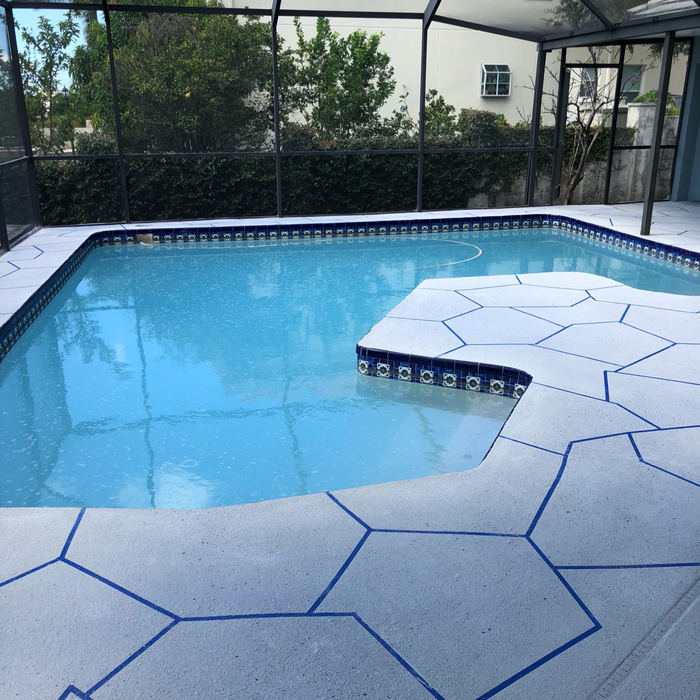





Top-rated concrete resurfacing pros.

Get matched with top concrete resurfacing pros in Dover, FL

Enter your zip and get matched with up to 5 pros

Need a pro for your concrete resurfacing project in Dover, FL?

Select your specific project to find the pro for you.

TRUSTED BY DOVER, FL HOMEOWNERS

  • Average homeowner rating star icon4.4
    Average homeowner rating
  • Verified reviews icon120
    Verified concrete resurfacing reviews

Find Concrete resurfacing pros in Dover

...
Showing 1-10 of 128
Concrete Resurfacing questions, answered by experts

Typically a few days, including preparation and curing time.

You can seal a concrete slab by cleaning the surface, filling in any cracks, etching the surface, applying a sealer, and letting it dry. Concrete slabs don't typically need sealing, but you can use a topical concrete sealer if you notice signs of water damage. If you haven't already fixed the cause of the leak, then you'll want to repair the plumbing before you seal a concrete slab.

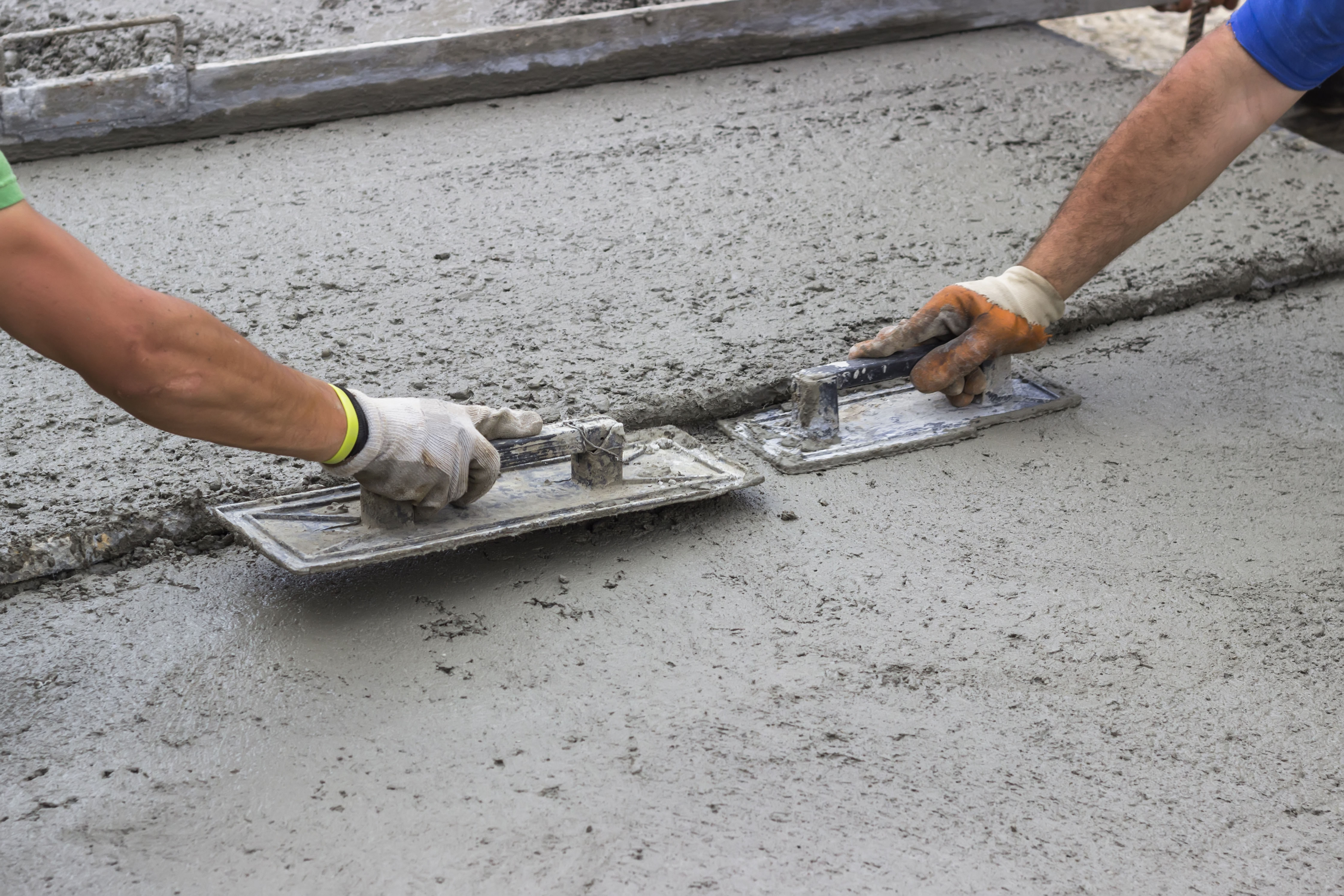
Concrete resurfacing is the process of applying a new, thin layer of concrete over an existing concrete slab to enhance its appearance and durability. The terms 'concrete resurfacing' and 'concrete overlay' are often used interchangeably, though the exact meaning can vary between contractors. Generally, both refer to applying a layer of pre-blended concrete, typically between 1/4-inch and 1-inch thick. Some contractors may use 'overlay' to describe a thicker application that adds structural integrity, while 'resurfacing' might refer to a thinner, more cosmetic layer. This process is a cost-effective alternative to completely replacing the concrete, as it uses significantly less material than pouring a new 4-inch slab. Resurfacing also provides an opportunity to add new colors or stamped textures. Other names for this process include concrete restoration, concrete refinishing, and concrete rejuvenation.

Concrete resurfacing and concrete overlay are terms often used interchangeably to describe the process of applying a new, thin layer of pre-blended concrete over an existing slab. This process enhances the durability and appearance of the concrete, giving it a fresh look without the high cost of a full replacement. The new layer is typically between 1/4-inch and 1-inch thick, significantly less than the 4 inches required for a new slab, and can be stamped, colored, or textured for a custom finish.

While the terms are often considered the same, their meaning can sometimes vary by contractor. Some may use "overlay" to describe a thicker application that adds structural integrity, while "resurfacing" might refer to a thinner layer intended for cosmetic upgrades. Other common names for this process include concrete restoration, concrete refinishing, and concrete rejuvenation.

Pervious concrete should be between 4 and 8 inches thick to drain water properly. Surfaces like parking lots and driveways should be at least 6 inches thick to accommodate the weight of vehicles, while patios and walkways may be poured between 4 and 6 inches thick. There’s no standard for pervious concrete thickness, but in most cases, the more weight the surface will need to hold, the thicker it should be.

The Dover, FL homeowners’ guide to concrete resurfacing

From average costs to expert advice, get all the answers you need to get your job done.