
Get matched with top radon detection and reduction specialists in Bryceville, FL
Top-rated radon detection and reduction specialists.

Need a pro for your radon detection and reduction project in Bryceville, FL?

Select your specific project to find the pro for you.

Find Radon detection and reduction specialists in Bryceville

All US Mold Removal Jacksonville FL - Mold Remediation Services
New to Angi

Serving Bryceville, FL and surrounding areas

In business since 2002

You need to know the cost associated with mold removal in Jacksonville area before starting a mold removal project. While knowing national average ( $2,147 ) can give you an idea, but the cost can vary a lot depending on the company you hire and area you need to get cleaned up. Other factors which may affect the final price, are Jacksonville labor hourly rates, material costs and any local permits required for the Jacksonville mold removal project. For more information about All US Mold Removal Jacksonville FL - Mold Remediation Services call (904) 574-5266 .


Radon Detection and Reduction questions, answered by experts

Keeping radon from getting into your home is much better than having to get rid of it once it's already indoors. While there may not be a way to fully prevent radon from getting into your home, there are things you can do to reduce the gas's ability to enter. 

Sealing foundation cracks and openings can help keep the gas from seeping inside. Improving air flow, such as by opening windows, can also be helpful. If you're building your home from scratch, talk to your contractor about using radon-resistant construction to keep the gas out.

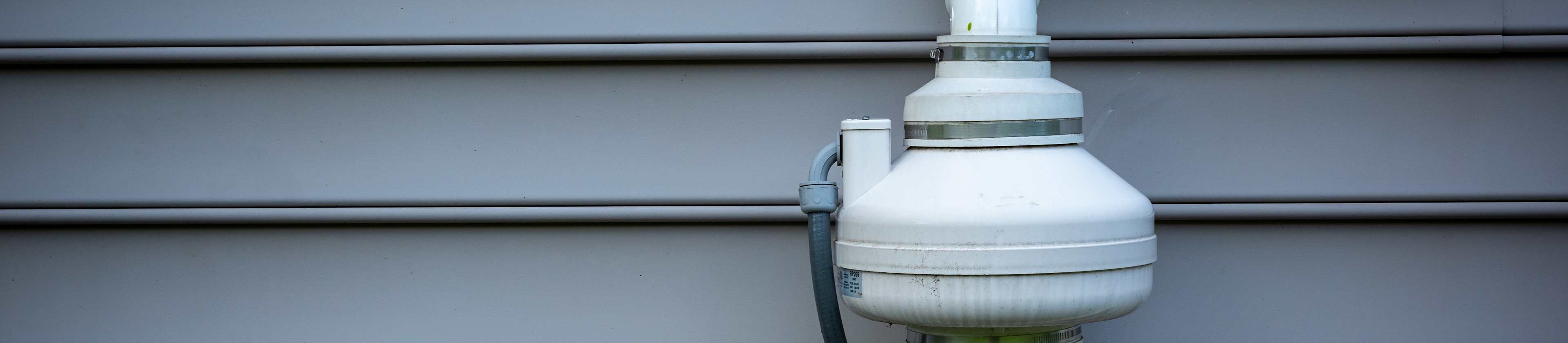
The fan that pulls the radon out of the air needs to run continuously, so you may see an increase in your electric bill once you install the mitigation system. Additionally, you may see an increase in your heating or cooling bills, as the fan can cause some loss of hot or cool air.

Mitigation reduces radon levels, protecting your health and complying with safety standards.

Your radon mitigation system may be loud because it’s time to replace it. Any sounds are usually from the inline fan that helps create the vacuum and resulting airflow. If you hear a new, loud mechanical or humming noise from your radon fan, it might be time to replace it. Most fans used in radon mitigation systems last up to 10 years, but may need to be replaced sooner.

You'll need to test your home for radon after installing the mitigation system, then again every two years. If radon remains elevated, contact a licensed radon professional, either the contractor who installed the system or a different one, and have them evaluate the system. They may need to make some changes to improve its effectiveness and performance.

The Bryceville, FL homeowners’ guide to radon detection and reduction services

From average costs to expert advice, get all the answers you need to get your job done.


