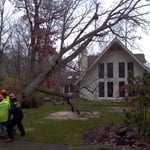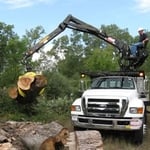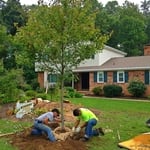



Top-rated arborists.

Best arborists near Wyoming, DE

Enter your zip and get matched with up to 5 pros

Need a pro for your arboricultural service project in Wyoming, DE?

Select your specific project to find the pro for you.

TRUSTED BY WYOMING, DE HOMEOWNERS

  • Average homeowner rating star icon4.5
    Average homeowner rating
  • Verified reviews icon401
    Verified arboricultural services reviews

Top-Rated Arborists in Wyoming - Updated Nov 2026

Avatar for Boss Tree Experts
Boss Tree Experts
5.0(
32
)
Tree RemovalTree Trimming

Serving Wyoming, DE and surrounding areas

Approved

In business since 2001

Free estimates

Emergency services offered

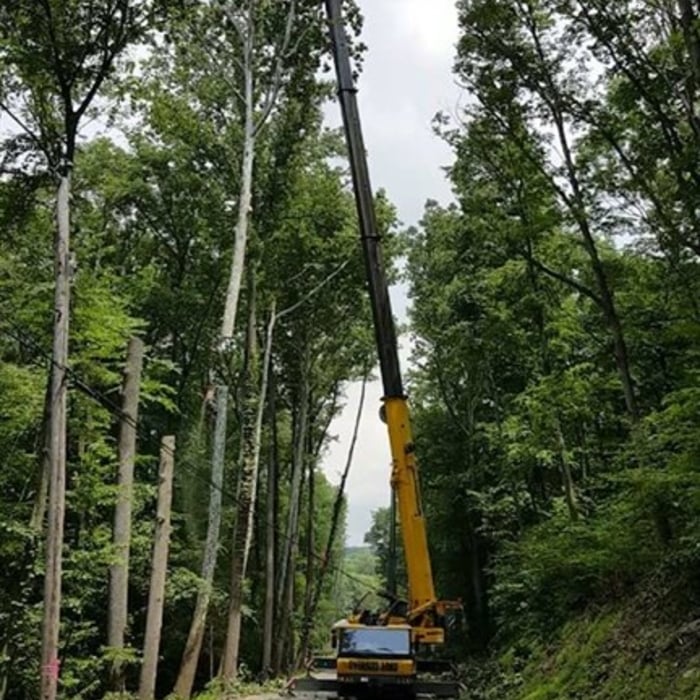
"The crew was very knowledgeable. Very pleasant to work with. I had them take down 8 trees 2 very close to my house and 1 huge HICKORY tree about 80 feet tall. I would highly recommend this company to anyone And they were reasonable"
Grasonville Maple Trees

+35

Response time6 hrs
Response rate93%
7 neighbors recently requested a quote

Avatar for Reynaldo Perez Landscaping, LLC
Reynaldo Perez Landscaping, LLC
4.5(
8
)
Tree RemovalTree Stump - RemoveTree Trimming

Serving Wyoming, DE and surrounding areas

Approved

Super Service Award Winner

In business since 2025

Free estimates

Customers say: Quick response

"I couldn't be happier with the landscaping work that was done, they completely transformed my front garden with new bushes and a wonderful design. they were professional, on time and so courteous. I would definitely reach out with any other projects I need in the future."
Response time6 hrs
Response rate85%
2 neighbors recently requested a quote
Avatar for Crimson Bay PM
Crimson Bay PM
5.0(
2
)
Tree TrimmingTree Trimming - For BusinessTrees & Shrubs - Treat, Protect and Maintain+1 more

Serving Wyoming, DE and surrounding areas

Approved

Free estimates

Small jobs welcome

Credit card accepted

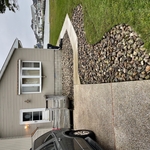
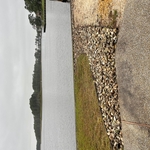
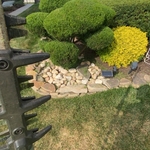
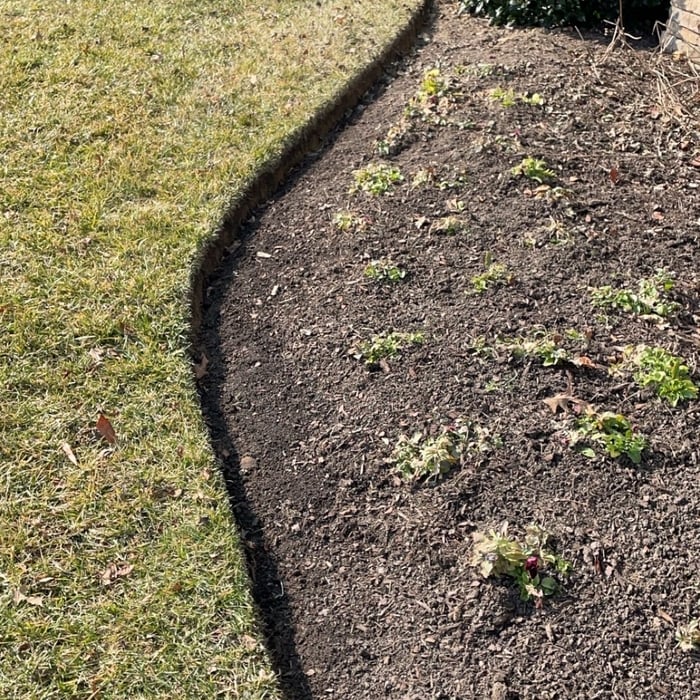
"Crimson Bay did a beautiful job cleaning up my existing landscaping areas. They took out the old stones & washed them. They pulled up the old plastic & leveled out the ground underneath, removed moss from the concrete wall, added a weed deterrent, laid down new landscaping paper, & put the cleaned stones back & added edging. They were professional, polite, & worked diligently. I thought the price was very reasonable. I highly recommend them."
Bulk jobs
Bulk jobs
Bulk jobs
Bulk jobs
Bulk jobs

+23

...
Showing 1-10 of 91
Arborists FAQs, answered by experts

As a general rule, the protected area should be about 1½ times as wide as the canopy of the tree’s leaves. This digging measurement can vary by tree species and the age of the tree. Of course, that can be a lot of fencing for larger trees, which is why our first step is about making difficult decisions on which trees to save.

No. Topping a tree refers to severely cutting down all its major branches and tree in a straight line. It was once recommended for streetside deciduous trees but has fallen out of practice. Topping leads to many problems, removing so much of the tree that many trees struggle to survive and become much more vulnerable to insects and diseases. Also, it doesn’t really help tree growth as once assumed and often leads to an ugly appearance of many sprouting stems in competition to become new main branches.

Tree roots can take weeks to years to die, depending on the method you use. Chemical herbicides take the least amount of time—typically between three and four weeks—while homemade methods, like covering an old stump with leaves, could take between seven and eight years. If you’re unsure which method to use or how quickly you need to act, consulting with a pro is always a good idea.

Unless it’s dead or dangerous, think twice about cutting down a tree in your yard. They’re good for health, well-being, wildlife, and the environment. Plus, local authorities often have regulations prohibiting the removal of trees, especially protected species or individual trees with historical value.

Deciduous shade trees (the type of trees whose leaves fall off in autumn) need to be pruned in late winter—between February and March. That’s because it’s easier to find and remove sick or dead branches when no leaves are present. And wounds close and heal faster in colder temperatures so pruning them at this time also makes them less prone to infection.

The Wyoming, DE homeowners’ guide to arboricultural services

From average costs to expert advice, get all the answers you need to get your job done.