


Top-rated lawn irrigation specialists.

Best lawn irrigation specialists near Milton, DE

Enter your zip and get matched with up to 5 pros

TRUSTED BY MILTON, DE HOMEOWNERS

  • Average homeowner rating star icon4.4
    Average homeowner rating
  • Verified reviews icon192
    Verified lawn irrigation services reviews

Top-Rated Lawn irrigation specialists in Milton - Updated Nov 2026

Avatar for Crimson Bay PM
Crimson Bay PM
5.0(
2
)
Lawn and Garden Sprinkler System - RepairLawn and Garden Sprinkler System - Repair - For BusinessSprinkler System for Lawn and Garden - Winterize or Activate

Serving Milton, DE and surrounding areas

Approved

Free estimates

Small jobs welcome

Credit card accepted

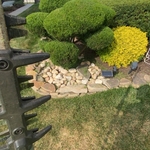
"Crimson Bay did a beautiful job cleaning up my existing landscaping areas. They took out the old stones & washed them. They pulled up the old plastic & leveled out the ground underneath, removed moss from the concrete wall, added a weed deterrent, laid down new landscaping paper, & put the cleaned stones back & added edging. They were professional, polite, & worked diligently. I thought the price was very reasonable. I highly recommend them."
Bulk jobs
Bulk jobs
Bulk jobs
Bulk jobs
Bulk jobs

+23

Avatar for Bright Diamond Irrigation
Bright Diamond Irrigation
4.9(
77
)
Lawn and Garden Sprinkler System - RepairSprinkler System for Lawn and Garden - Winterize or Activate

Serving Milton, DE and surrounding areas

In business since 2015

Small jobs welcome

Credit card accepted

"Kyle was efficient, knowledgeable and professional in all aspects of his work. He devoted time to correcting issues; issues I did not expect him to correct. Very pleased with Kyle's attention to details. Highly recommend him for irrigation service."
Irrigation retrofit
Irrigation retrofit
Irrigation retrofit
Was a little too wet in this area
Pumping out water so repair can be made

+7

Response time2 days
Recommended by97%of homeowners
...
Showing 1-10 of 59
Lawn Irrigation FAQs, answered by experts

While it’s possible to grow grass seeds by throwing them down, this isn’t the best way to plant them. By amending and prepping the soil beforehand, you’re providing optimal contact between seed and soil for a better chance at germination. If you throw them down without preparing the soil beforehand, seeds are more likely to blow away, get eaten by hungry birds, or never grow.

Not only are lawn depressions unsightly, they also cause your yard to be uneven and have divots, which can be a tripping hazard. Lawn depressions also make mowing more difficult and can potentially cause damage to your mower.

This depends on the type of grass seed, as some types do better in different environmental conditions. Cool-season grasses go dormant during the summer months when the soil temperature exceeds 65 degrees Fahrenheit. Once exposed to regular doses of heat, the germination rates decline, with seedling death not far behind. 

As for warm-season seeds, they come from tropical parts of the world and thrive in heat. They actively grow in warm air temperatures between 70 and 90 degrees Fahrenheit, and they prefer soil temperatures between 65 and 70 degrees Fahrenheit. Once temperatures dip and frost rolls in, if you don’t store them properly, warm-season grass seeds will die quickly.

The best time to plant grass seed depends on your local climate and whether you have cool-season or warm-season grass.

For cool-season grasses (like tall fescue), the ideal time to seed is late summer or early fall (typically August and September). During this period, the soil is still warm from the summer, but the air is cooler, creating optimal conditions for germination and root establishment before winter. There is also less competition from weeds. Spring is a secondary option, but cooler soil temperatures, the risk of a late frost, and less time for the grass to mature before summer heat can make it less successful.

For warm-season grasses (like St. Augustine), the best time to plant is from late spring through mid-summer (typically May and June), when temperatures are consistently between 75 and 90 degrees Fahrenheit.

In general, it is best to avoid seeding during winter or early spring, as cold soil and air can prevent seeds from germinating. For recommendations tailored to your specific grass type and climate, consider consulting a local lawn care professional.

Before you put down grass seed, you should cultivate your soil or add two inches of topsoil. You should also put down fertilizer at the same time as your seed to prompt healthy growth. Be sure to water after you put down grass seed, especially for the first two weeks.

The Milton, DE homeowners’ guide to lawn irrigation services

From average costs to expert advice, get all the answers you need to get your job done.