




Top-rated electricians.

Best electricians near Sandy Hook, CT

Enter your zip and get matched with up to 5 pros

Need a pro for your electrical service project in Sandy Hook, CT?

Select your specific project to find the pro for you.

TRUSTED BY SANDY HOOK, CT HOMEOWNERS

  • Average homeowner rating star icon4.7
    Average homeowner rating
  • Verified reviews icon538
    Verified electrical services reviews

Top-Rated Electricians in Sandy Hook - Updated Nov 2026

...
Showing 1-10 of 420
Electrical FAQs, answered by experts

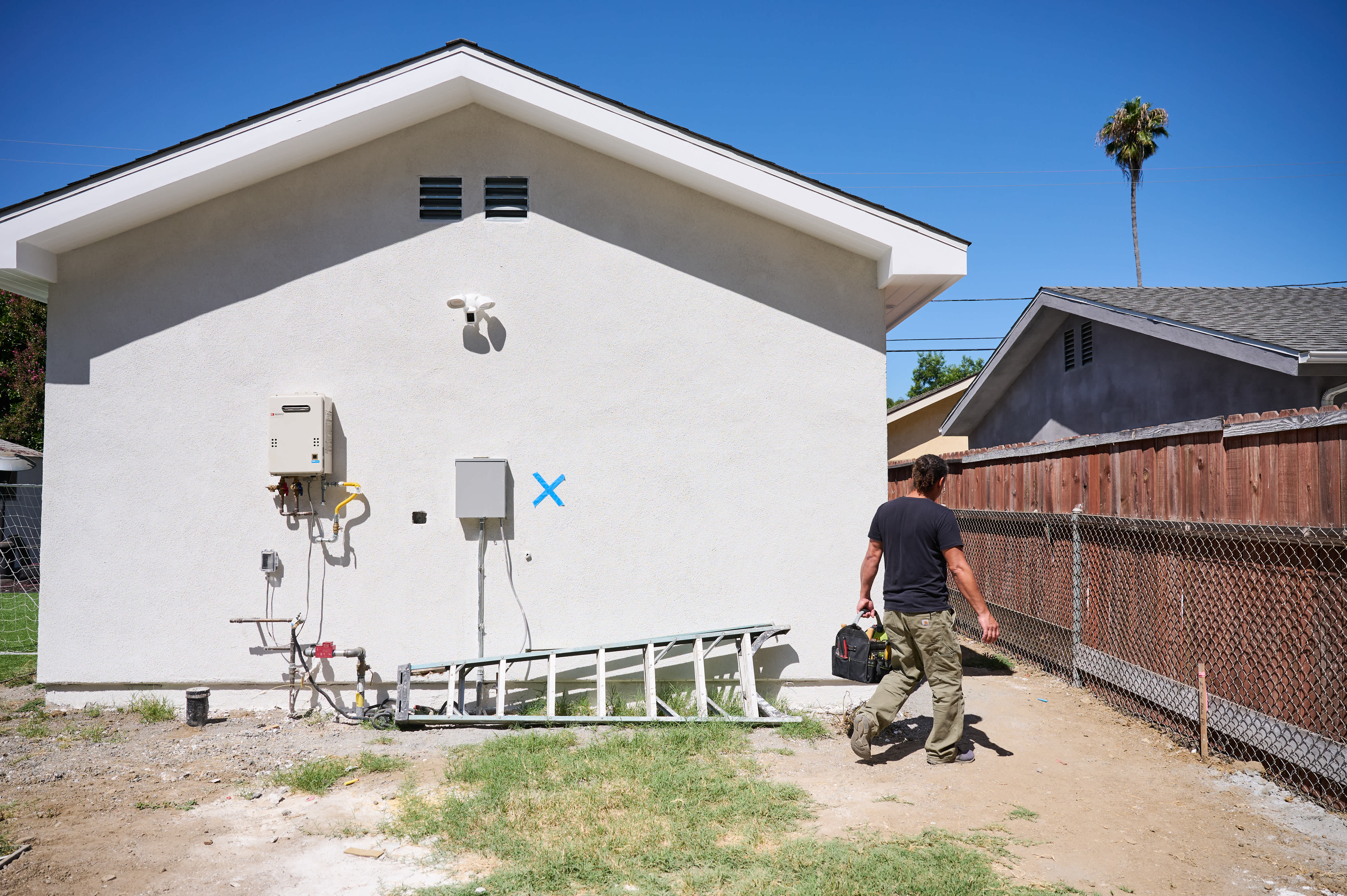
Moving an electrical meter in your home depends on what your electric utility company allows. If you only want to move it a few inches, that may be no problem or only incur light fees. If you want to move it a significant distance, you may need to arrange a utility inspection and get permission, or your utility company may prevent it altogether.

Window AC units use a fair amount of electricity, but significantly less than central AC systems. Because they are more energy-efficient for cooling individual rooms or small spaces, their usage is comparatively low. On average, a window AC unit consumes between 500 and 1,400 watts, while a central AC system uses over 3,500 watts—meaning a window unit uses about one-third of the energy. This typically translates to a monthly running cost of $15 to $40, although this can vary depending on external factors.

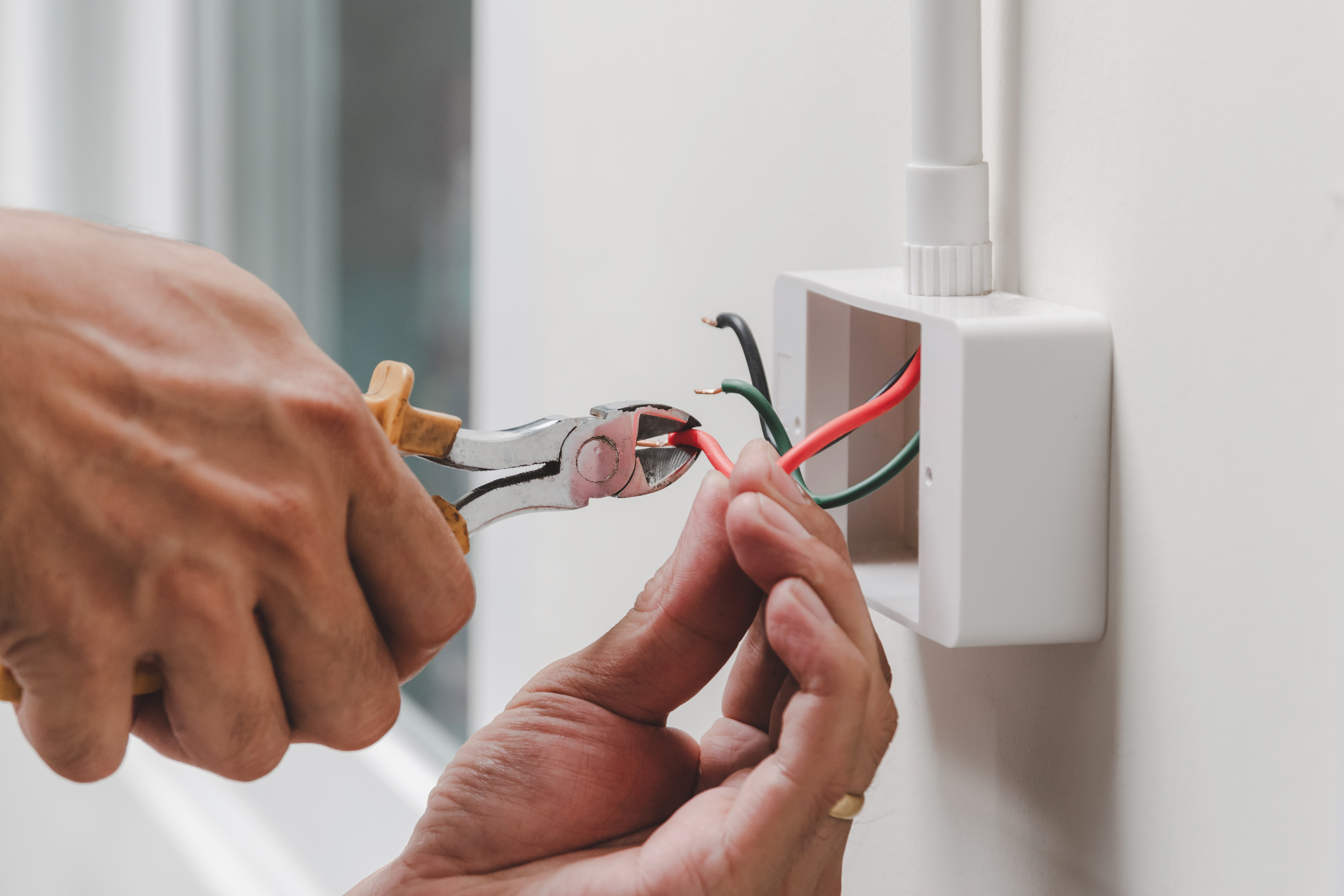
Yes, wire connectors are the better option for securing splices compared to electrical tape. It is not recommended to use electrical tape as it is not secure enough to keep the splices together. Plus, electrical tape is more vulnerable to damage, which can cause a risk of fire over time. 

A light switch should be at least 2 inches from the edge of the trim of a door. The location of wall studs will often help determine where to put the light switch by your doorway, and in most cases, wall studs make it impossible to install the switch closer than 2 inches. When possible, try to keep the switch within arm’s length of the entryway.

To determine if an electrical outlet is blown, look for visible signs of damage such as a burning or smoky smell, burn marks, or a melted or discolored plastic cover. If you notice a burning smell, contact an electrician immediately. Other signs include a plug that keeps falling out or the outlet not working when you test it with different devices. For further troubleshooting, you can use a voltage tester or multimeter to check for power; a reading of zero indicates a problem. Also, check your circuit breaker or fuse box to see if the circuit was tripped and reset it if necessary. If these steps don't resolve the issue, the outlet may need to be replaced.

The Sandy Hook, CT homeowners’ guide to electrical services

From average costs to expert advice, get all the answers you need to get your job done.