



Top-rated insulation pros.

Get matched with top insulation pros in Norwalk, CT

Enter your zip and get matched with up to 5 pros

Need a pro for your insulation service project in Norwalk, CT?

Select your specific project to find the pro for you.

TRUSTED BY NORWALK, CT HOMEOWNERS

  • Average homeowner rating star icon4.3
    Average homeowner rating
  • Verified reviews icon55
    Verified insulation services reviews
Insulation questions, answered by experts

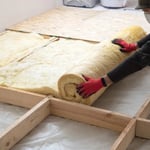
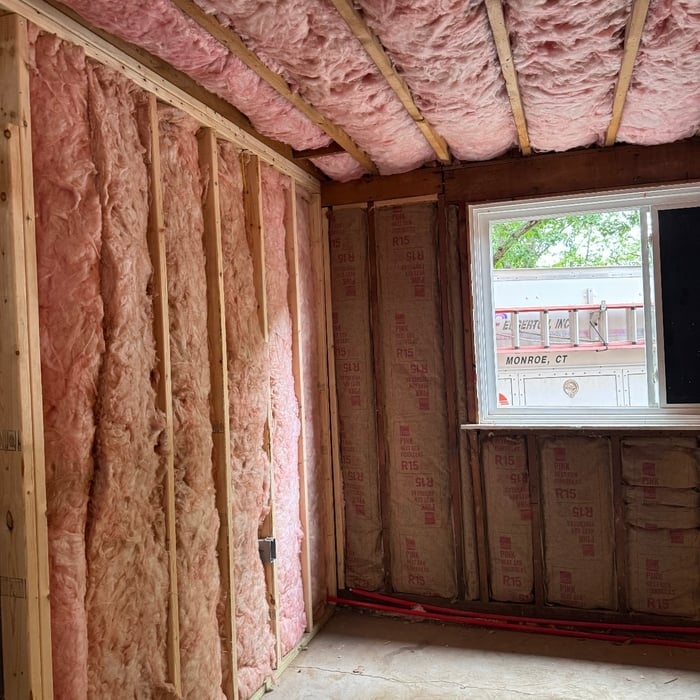
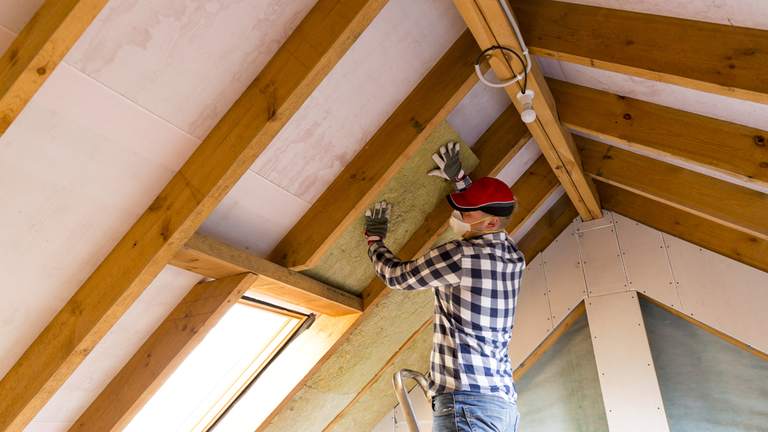
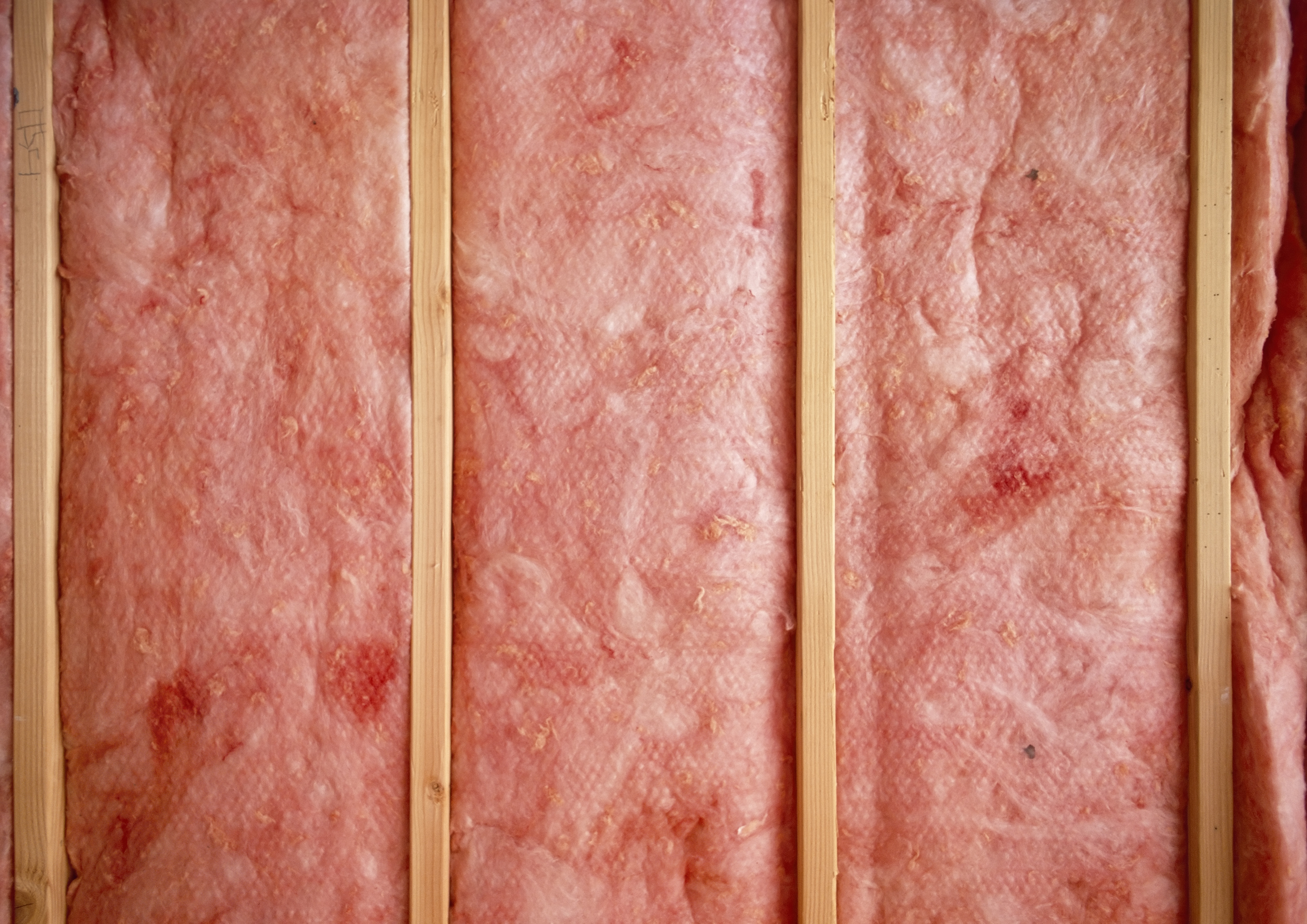
If you’re using faced insulation with paper, face the paper toward the inside of the room during the installation process. 

A good way to remember this is that the paper should face the “warm side” as it’s the vapor barrier, meaning it should face toward where the heat will be coming from.

The amount and type of insulation your home needs depends on your location, climate, and the specific installation area (attic, walls, or floors). Your local building code will typically determine the minimum required R-value. For specific recommendations, Energy Star suggests the following R-values: homes in the Southern U.S. should have R30 to R60 in attics and R13 to R25 in floors and walls; homes in moderate climates need R38 to R60 in attics and R25 to R30 in floors and walls; and homes in northern states require R49 to R60 in attics and R25 to R30 in floors and walls.
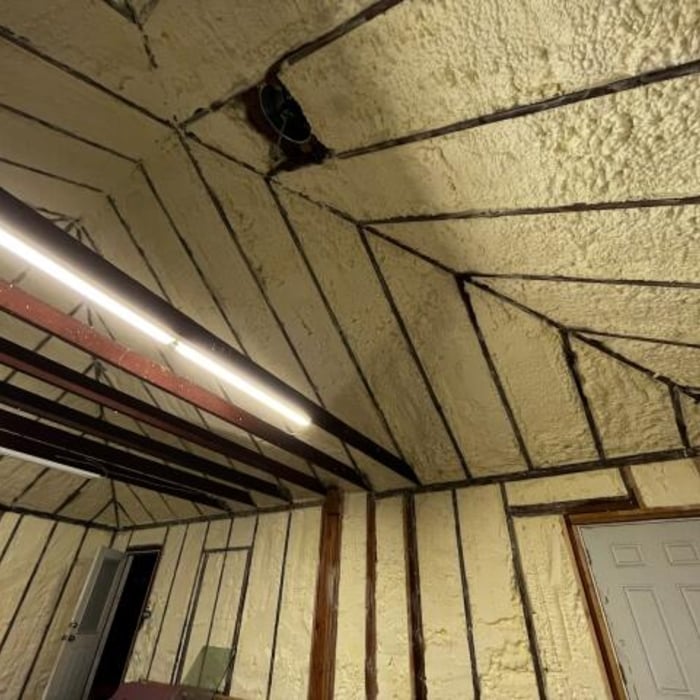

Insulating ducts prevent or significantly reduce condensation by reducing temperature differences between the duct surface and surrounding air. Proper insulation also minimizes sweating, improves energy efficiency, and prevents moisture damage. However, if humidity levels are unusually high or there are air leaks, additional measures like sealing ducts and using a dehumidifier may be needed.

Yes, even though frost-free and freeze-proof faucets are designed to withstand winter weather, it is still recommended to cover them with an insulated cap, especially during periods of extreme cold. These faucets work by keeping excess water inside the home's heated space and using a downward slope to drain, but this protection can be compromised. For the faucet to work correctly, you must always disconnect any attached hoses before temperatures drop below freezing, as a hose can trap water and lead to freezing. Ultimately, covering all outdoor faucets, even freeze-proof models, is the best way to prevent frozen and burst pipes.

In some cases, yes, insulating an unheated garage can lead to mold and mildew. The issue with insulating a garage is that the interior will warm up and cool down more slowly than the exterior air, which can cause condensation inside the space. Where there is moisture, there is likely to be mold and mildew over time. Installing a vapor barrier can help avoid moisture and mildew problems in an insulated garage.