
Top-rated drywall pros.

Get matched with top drywall pros in Middletown, CT

Enter your zip and get matched with up to 5 pros

Need a pro for your drywall service project in Middletown, CT?

Select your specific project to find the pro for you.

TRUSTED BY MIDDLETOWN, CT HOMEOWNERS

  • Average homeowner rating star icon4.4
    Average homeowner rating
  • Verified reviews icon74
    Verified drywall services reviews

Find Drywall pros in Middletown

Lallier Construction, LLC
4.1(
64
)
Drywall - InstallDrywall - Repair

Serving Middletown, CT and surrounding areas

Approved

In business since 2000

Free estimates

Customers say: Quality work

"Prompt and courteous. Got a call back immediately, quote done quickly, project started without delay. Quality work and clean. Attention to detail - came back multiple times as necessary to finish drywall process fully and done right. Easy to work with and to discuss different options for project. Great work guys!"
Response time1 day
Response rate90%
Recommended by97%of homeowners
Quality Restoration, LLC
4.7(
34
)
Drywall - Repair - For Business

Serving Middletown, CT and surrounding areas

Approved

In business since 2010

Free estimates

Customers say: Quick response

"Elvin is great. He fixed my wood double front doors and applied paint that I had picked out, as well as new handles/lock. He took his time, was very polite, and made sure everything was in order before in left. My front doors look amazing. Will be hiring him again for more work around the house. Also, his pricing was very reasonable and on point for the amount of repair and painting work he did."
Response time7 hrs
5 neighbors recently requested a quote
Recommended by96%of homeowners
...
Showing 1-10 of 361
Drywall questions, answered by experts

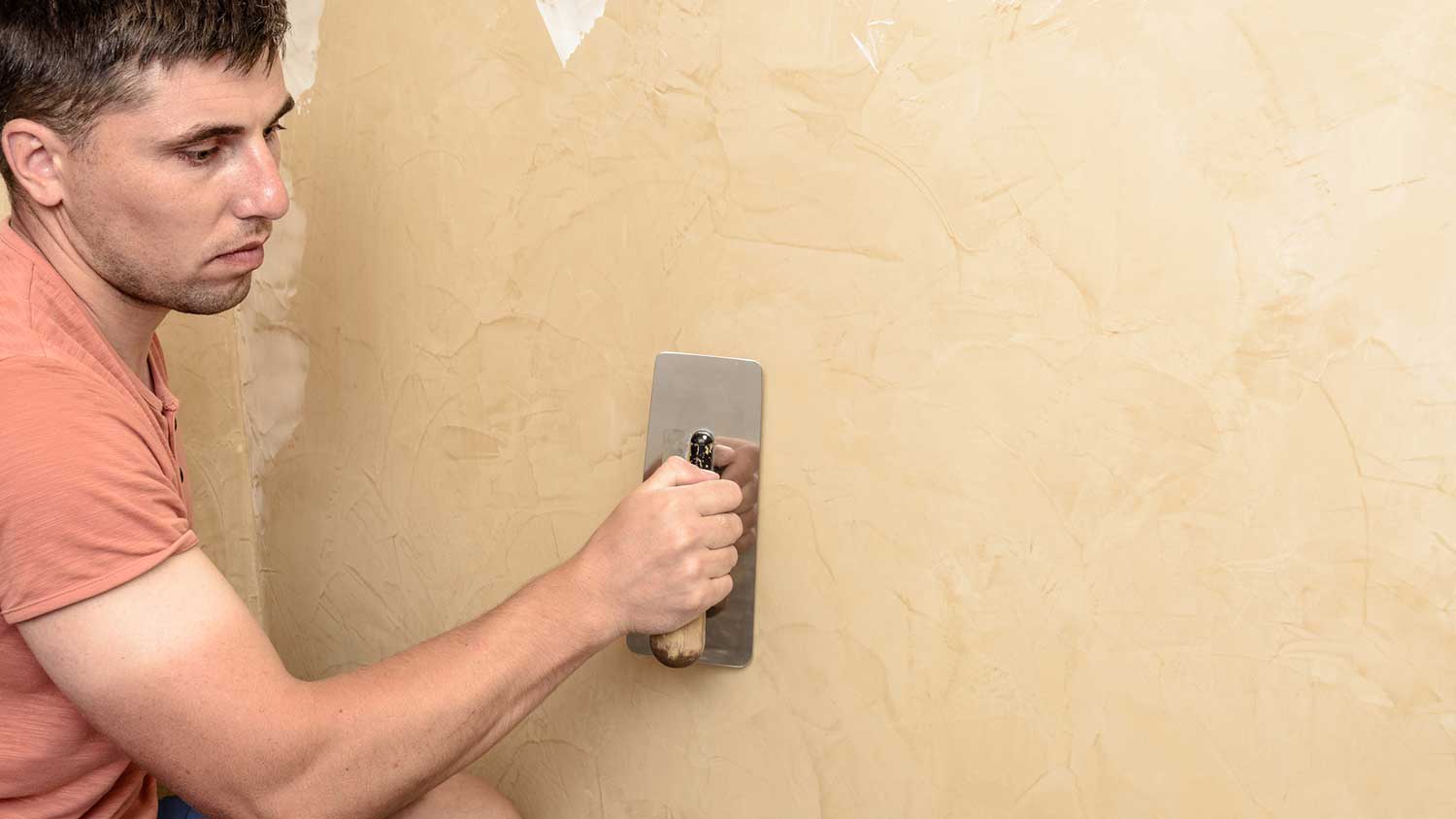
The easiest way to remove texture from walls is the soak-and-scrape method. You’ll need to spray a section of the wall with water and let the water soak in and soften the texture. Then, you need to scrape the texture off using a drywall taping knife. This method works best with unpainted walls since paint prevents water from saturating the textured joint compound.

Drywall can be toxic to the environment and to humans in some cases. As drywall breaks down in a landfill and comes in contact with other organic chemicals, it can create hydrogen sulfide gas or leach into the groundwater. Additionally, the CDC recommends methods for controlling the inhalation of drywall dust when handled. While the common ingredients of drywall—gypsum, silica, and mica—are naturally occurring, they can cause irritation in some humans.

You can put drywall mud over paint to even out the surface or entirely resurface it. Sand the surface with 280-grit sandpaper, vacuum the debris and dust with a shop vac, and clean it with a slightly damp cloth. Allow the surface to dry. Apply drywall primer, especially if you’re skim-coating an entire wall. Apply the right type of drywall mud over the surface and smooth it with a trowel. Allow the layer to cure fully, then sand it before applying another layer or painting it.

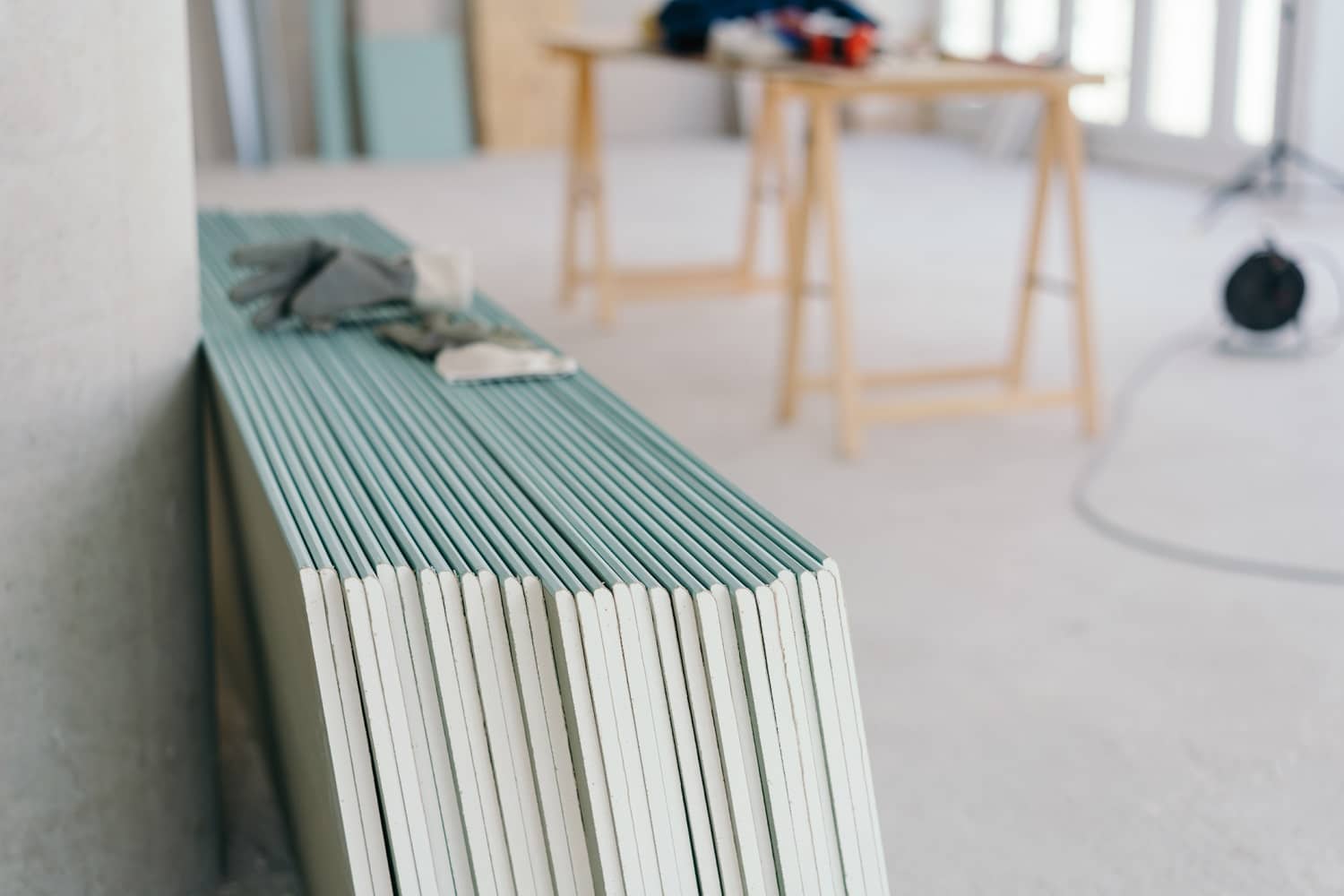
Most drywall used for interior walls of homes is 1/2-inch thick. This size strikes a balance of being easy to handle and hang while being thick enough for the durability needed on interior wall applications.

If your home was built before the 1940s and was not remodeled in the past 50 or so years, you probably have plaster walls. Aside from assuming, there are some practical ways to tell if you have plaster walls, including the following: If you knock on the wall and it feels solid, not hollow, if you can’t insert a thumbtack easily, if there are cracks that look like spiderwebs, or if your home has curved, arched, or swirled walls, doorways, or window openings.

If you have an unfinished basement or attic, you could examine the backs of any finished walls to check, too.

The Middletown, CT homeowners’ guide to drywall services

From average costs to expert advice, get all the answers you need to get your job done.