

Top-rated drywall pros.

Best drywall pros near Portland, CT

Enter your zip and get matched with up to 5 pros

Need a pro for your drywall service project in Portland, CT?

Select your specific project to find the pro for you.

TRUSTED BY PORTLAND, CT HOMEOWNERS

  • Average homeowner rating star icon4.4
    Average homeowner rating
  • Verified reviews icon98
    Verified drywall services reviews

Top-Rated Drywall pros in Portland - Updated Nov 2026

Quality Restoration, LLC
4.7(
34
)
Drywall - Repair - For Business

Serving Portland, CT and surrounding areas

Approved

In business since 2010

Free estimates

Customers say: Quick response

"Elvin is great. He fixed my wood double front doors and applied paint that I had picked out, as well as new handles/lock. He took his time, was very polite, and made sure everything was in order before in left. My front doors look amazing. Will be hiring him again for more work around the house. Also, his pricing was very reasonable and on point for the amount of repair and painting work he did."
Response time7 hrs
7 neighbors recently requested a quote
Recommended by96%of homeowners

Lawrence A. Fiano
4.5(
53
)
Drywall - InstallDrywall - Repair

Serving Portland, CT and surrounding areas

Approved

In business since 1999

Free estimates

Emergency services offered

"Larry is the first contractor I have ever hired, and I am so glad I found him. He was a pleasure to work with. He did some drywall repair/install, and installed a new door for us. He was always in contact with me, and always updated me completely. His prices were so reasonable. I will absolutely be using him again for any of our home repairs."
Response time7 hrs
Recommended by97%of homeowners
...
Showing 1-10 of 297
Drywall FAQs, answered by experts

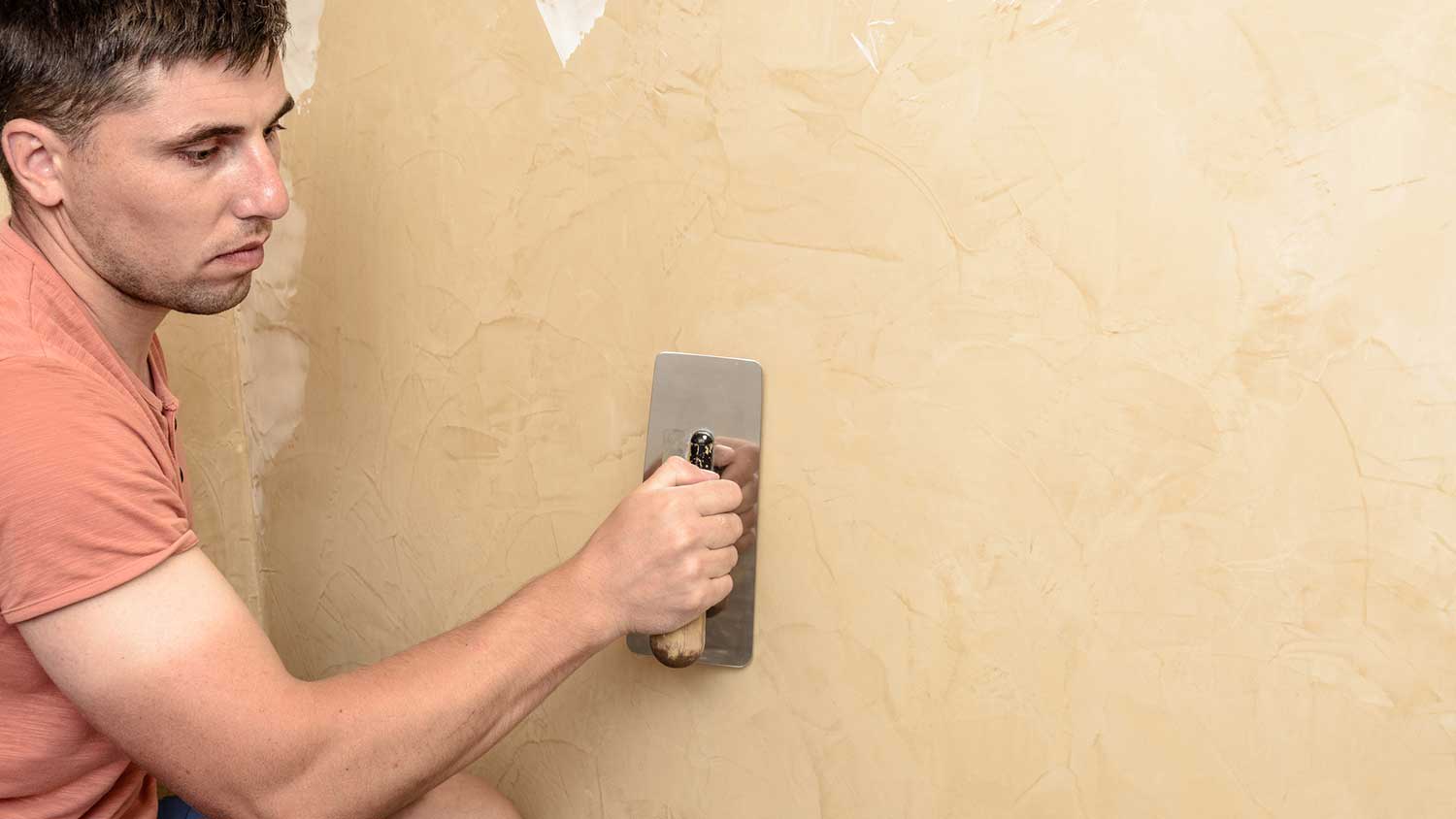
Plastering and skimming are two different techniques for finishing walls. Plastering involves applying a thick layer of a plaster mixture—typically containing gypsum, lime, cement, sand, and water—to create a new surface. This process often requires multiple coats and is used for repairing significant damage or creating decorative textures. Skimming, on the other hand, is a technique that involves applying a thin layer of drywall compound or joint compound over an existing surface to smooth it out, covering minor imperfections, small cracks, or uneven textures for a polished look. Plastering is generally more costly and labor-intensive than skimming. Although some people use the terms interchangeably, they refer to different processes and materials.

It’s highly recommended to use studs for a TV mount. The last thing you want is to be watching your favorite show when the TV falls off the wall. Studs are much stronger than drywall and quite a bit stronger than drywall anchors but, if you can’t find the studs or there simply aren’t any where you need them, you can use drywall anchors. It’s extremely important to make sure the anchors are rated for the load of the TV. We recommend using anchors that are rated far beyond the weight of whatever you’re hanging. Our suggestion is metal drywall toggle anchors. 

Whether a drywall anchor can be reused depends on its material, type, and the method of removal. Plastic anchors, including expansion and self-drilling types, are generally designed for single use as they tend to break or deform upon removal. Metal anchors, such as toggle bolts, are more durable and may be reusable if they are not damaged during extraction. However, with toggle bolts, the toggle piece can fall into the wall cavity when the bolt is removed, making it difficult to retrieve. If an anchor is damaged during removal, for instance by having its head cut off, it cannot be reused regardless of the material.

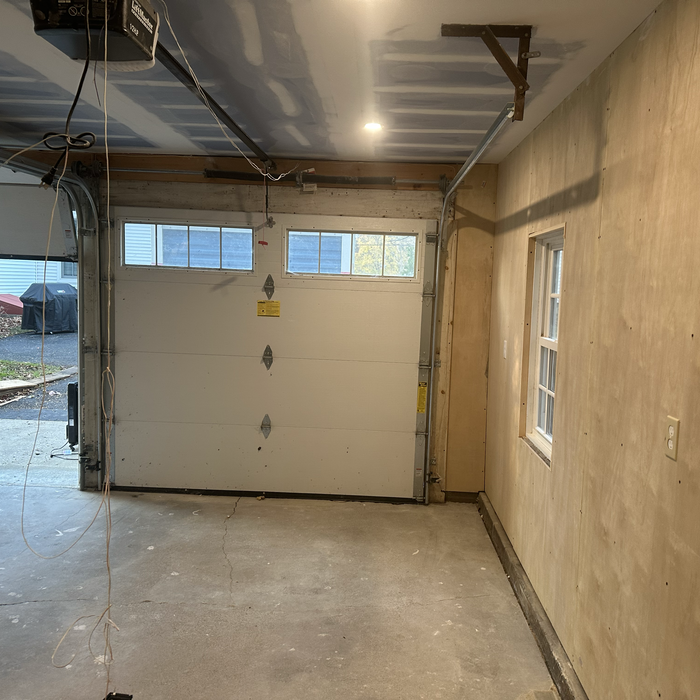
You can drywall an unheated garage because the material handles cold temperatures perfectly well. There are no risks or downsides to installing drywall in a garage that is not heated, and the material stands up to moisture and other elements quite well. Drywall will protect your unheated garage's electric wires and cables and add fire protection. However, for effective bonding, you should install drywall at a temperature of 55 degrees Fahrenheit or higher.

Plaster walls typically last between 30 and 70 years, but depending on the quality of the materials and the moisture levels in the building, they can last for over 100 years. With expert application and consistent maintenance, plaster can even last for centuries. To extend its lifespan, it is important to have the plaster professionally installed, address any water damage promptly, and repair small cracks as they appear. Regular inspections by a professional can help identify and address concerning cracks before they become significant issues.

The Portland, CT homeowners’ guide to drywall services

From average costs to expert advice, get all the answers you need to get your job done.