


Top-rated fire pit installation pros.

Get matched with top fire pit installation pros in Collinsville, CT

Enter your zip and get matched with up to 5 pros

Need a pro for your fire pit installation project in Collinsville, CT?

Select your specific project to find the pro for you.

TRUSTED BY COLLINSVILLE, CT HOMEOWNERS

  • Average homeowner rating star icon4.4
    Average homeowner rating
  • Verified reviews icon224
    Verified fire pit installation services reviews

Find Fire pit installation pros in Collinsville

Avatar for Valerie Spencer Interiors LLC
Valerie Spencer Interiors LLC
5.0(
90
)
Handyman for Multiple Small Projects

Serving Collinsville, CT and surrounding areas

Approved

In business since 2007

Free estimates

Warranties offered

"Very well!! Brian did a great job installing 4 custom blinds in my home. Brian measured the rest of our widows and offered sound advice on how to accurately order blinds for them. I highly recommend Brian for his handyman services."

Additional Photos
Additional Photos
Response time1 day
1 neighbors recently requested a quote
Recommended by97%of homeowners
Sonart Construction Corp.
2.3(
7
)
Handyman for Multiple Small Projects

Serving Collinsville, CT and surrounding areas

Approved

In business since 2013

Free estimates

Credit card accepted

"I recently had my shingle roof replaced and I?m very happy with the results. The team was professional, punctual, and completed the job efficiently. The quality of the work is excellent, and the new roof looks great. They kept the work area clean and communicated well throughout the process. I would definitely recommend them to anyone needing a roof replacement."
...
Showing 1-10 of 110
Fire Pit Installation questions, answered by experts

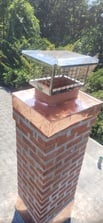
A spark arrestor is not the same as a chimney cap. Both sit on the top of the chimney. However, the cap keeps debris from entering the chimney, and the spark arrestor’s primary function is to prevent burning embers from escaping. Some spark arrestors are integrated into the chimney cap, and others are installed separately.

Generally, an oil furnace is considered safer than a gas furnace for several reasons. While both types of furnaces can produce carbon monoxide, a leak in an oil furnace is easier to detect due to the smell. Oil furnaces also don't connect to a gas pipeline, which reduces the chance of a fuel leak. Most importantly, heating oil is not combustible, whereas natural gas is highly flammable. This means there is a much lower risk of combustion or explosion with an oil furnace. However, an oil furnace can still pose a fire hazard if it tips over.

To prevent carbon monoxide poisoning on a propane heater, make sure that your heater is suitable for indoor use. When you run the heater, it should always be in a well-ventilated area with proper air circulation. Installing carbon monoxide detectors on every level of your home is also essential. If you have any questions about using a heater indoors, contact a local heating and oil company for more information.

No, it is not safe to use an outlet that sparked. A spark from an outlet could indicate a short circuit, loose or frayed wiring, or other serious damage. Continuing to use an outlet that sparks can increase the risk of electrical shock, electrical fires, and other hazards. It's important to turn off the power to the outlet at the circuit breaker if possible and avoid using the outlet until a licensed electrician has inspected and repaired it.

Pellet stoves burn compressed wood byproducts, making them very efficient and clean-burning. However, even efficient combustion still produces fine dust particles, which could have an effect on the health of vulnerable people in your household, such as infants and people with asthma. A wood stove pro can help determine whether the levels in your home are unsafe.

The Collinsville, CT homeowners’ guide to fire pit installation services

From average costs to expert advice, get all the answers you need to get your job done.