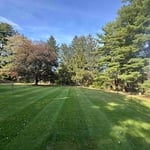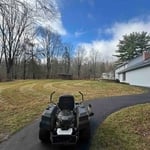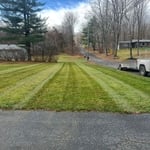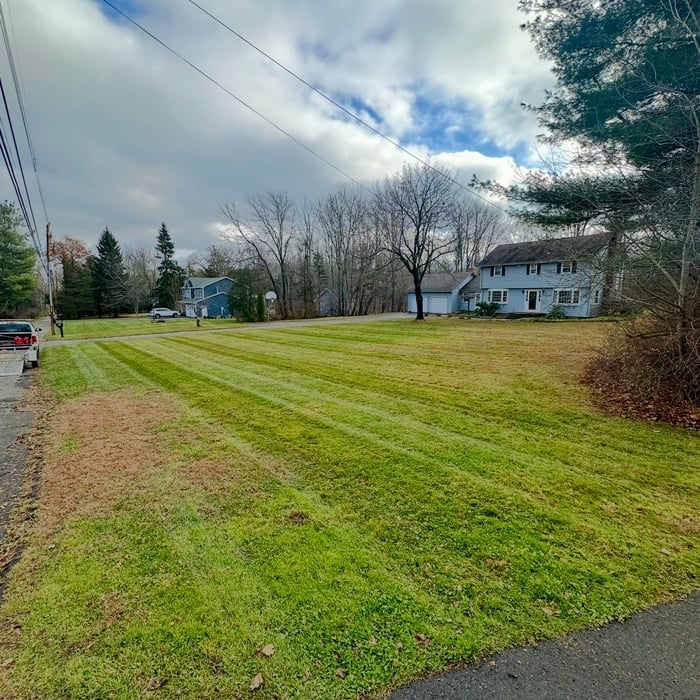
Top-rated leaf removal pros.

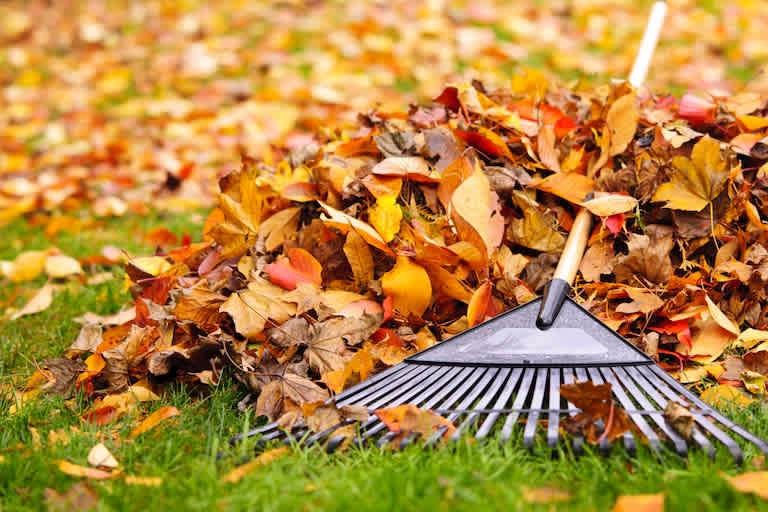
Get matched with top leaf removal pros in Collinsville, CT

Enter your zip and get matched with up to 5 pros

Need a pro for your leaf removal project in Collinsville, CT?

Select your specific project to find the pro for you.

TRUSTED BY COLLINSVILLE, CT HOMEOWNERS

  • Average homeowner rating star icon4.7
    Average homeowner rating
  • Verified reviews icon86
    Verified leaf removal services reviews

Find Leaf removal pros in Collinsville

Avatar for American Junk Removal, LLC
American Junk Removal, LLC
4.8(
219
)
Waste, Junk, Building Materials and Debris - Remove and Haul

Serving Collinsville, CT and surrounding areas

Approved

In business since 2014

Free estimates

Credit card accepted

"American Junk Removal did a great job quickly and reasonably priced. They got done quicker than they estimated and addressed all our concerns. I strongly recommend their services."
Response time4 hrs
1 neighbors recently requested a quote
Recommended by98%of homeowners
Avatar for A&C Northwest Remodeling LLC
A&C Northwest Remodeling LLC
4.8(
40
)
Lawn Care - Maintain and Mow a LawnLawn & Yard Waste Clean Up

Serving Collinsville, CT and surrounding areas

Approved

In business since 2022

Free estimates

Offers commercial services

"JT was so helpful with my pool project. He saved us from a horrible mess up from a previous contractor. He is so nice, friendly, professional and has great prices! And the most important part is he showed up when he said he would! I highly recommend him for any project you need done in your home! I will definitely be using him for all my home projects!"
Our Projects
Our Projects
Our Projects
Our Projects
Our Projects

+13

Response time2 days
29 neighbors recently requested a quote
Recommended by97%of homeowners
...
Showing 1-10 of 308
Leaf Removal questions, answered by experts

It is safe to remove old linoleum, but it may require the help of a specialist due to the risk of asbestos in the material. Before you cut into linoleum or try to peel it up, have it tested for asbestos. If it tests positive, professionals will need to remove it to prevent the risk of health issues from airborne toxic particles. If it’s asbestos-free, DIY removal is possible and safe.

You can paint over lead paint, or “encapsulate” it with a special paint that includes an ingredient called an encapsulant. The EPA approves encapsulation as a lead paint removal method as long as the paint remains undisturbed. Standard types of paint without an “encapsulant” from the big box stores or hardware stores do not meet EPA standards for remediation of lead-based paint.

No. Standard homeowners insurance does not cover any kind of lead remediation, focusing instead on sudden, unpreventable events like fires and theft. Many insurance companies will specifically exclude lead paint removal, since it tends to be an expensive and unavoidable project. The exception is if the lead surface is damaged during a covered event (like a flood) and homeowners insurance pays its replacement.

Professional lead-paint abatement companies use a variety of methods to remove lead-based paint, depending on each particular situation. Some of the most common methods include:

  • Total removal: $8–$17 per square foot

  • Demolition and replacement: $1,000–$15,000 per project

  • Encapsulation: $4 per square foot

  • Enclosure: $10 per square foot

  • Chemical stripping: $10–$17 per square foot

According to the Environmental Protection Agency (EPA), hazardous waste is generally classified into four main categories:

1. Characteristic Wastes: These exhibit at least one of four hazardous traits: ignitability (flammable, like gasoline), corrosivity (can rust or decompose materials, like car batteries), reactivity (unstable and can explode, like aerosol cans), or toxicity (harmful when ingested, like lead-based paint).

2. Listed Wastes: These are specific wastes from manufacturing and industrial processes that the EPA has officially designated as hazardous. They include byproducts from processes that use solvents, pesticides, and other chemicals.

3. Universal Wastes: These are commonly generated hazardous items that are subject to streamlined regulations. Examples include batteries, pesticides, mercury-containing equipment (e.g., bulbs), and some lamps.

4. Mixed Wastes: This category includes waste that contains both hazardous and radioactive components, making it subject to regulation by both the EPA and the Nuclear Regulatory Commission.

The Collinsville, CT homeowners’ guide to leaf removal services

From average costs to expert advice, get all the answers you need to get your job done.