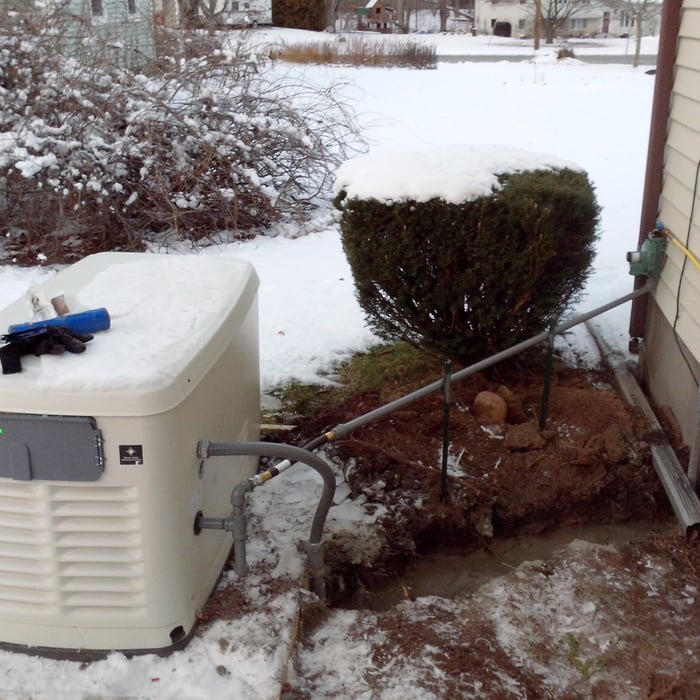





Top-rated generator install pros.

Get matched with top generator install pros in Cheshire, CT

Enter your zip and get matched with up to 5 pros

Need a pro for your generator install project in Cheshire, CT?

Select your specific project to find the pro for you.

TRUSTED BY CHESHIRE, CT HOMEOWNERS

  • Average homeowner rating star icon5
    Average homeowner rating
  • Verified reviews icon17
    Verified generator installs reviews

Find Generator install pros in Cheshire

Avatar for R A Buckley & Son Electrical Contractors, LLC
R A Buckley & Son Electrical Contractors, LLC
4.8(
49
)
Fixed Generator - InstallGenerator - Install - For BusinessPortable Generator - Install

Serving Cheshire, CT and surrounding areas

Approved

Super Service Award Winner

In business since 2000

Free estimates

Offers commercial services

"He is extremely attentive to your needs . What he says will happen , does! He keeps all appointments and thoroughly explains what he plans to do. He is one of the most reliable, ethical , conscience businessman I have ever dealt with. I have recommended him to friends . He actually went out of his way to help Ill friends deal with their generator problems even though he had not installed it. He made arrangements for someone to fix the generator when he was not able. Highly recommended !"
Response time5 hrs
Response rate90%
4 neighbors recently requested a quote
Avatar for Swanson Electric, LLC
Swanson Electric, LLC
5.0(
35
)
Portable Generator - Install

Serving Cheshire, CT and surrounding areas

Approved

Super Service Award Winner

In business since 2021

Free estimates

Emergency services offered

"Fair pricing, quality work. I have a quote from him and every month or so he completes another job on the list. Light installs, outlet installs etc. Work is done quickly and efficiently"
Panel
Response time5 hrs
Response rate100%
21 neighbors recently requested a quote
Avatar for MGT Electrical Services
MGT Electrical Services
5.0(
11
)
Fixed Generator - InstallFixed Generator - RepairGenerator - Repair - For Business+1 more

Serving Cheshire, CT and surrounding areas

Approved

In business since 2021

Free estimates

Warranties offered

"They came out in the middle of a storm and promptly hooked the generator to my panel. While I thought I’d be running extension cords to my appliances it turned out that the whole house was up and running. I wish I had done this earlier. I would recommend MGT for any electrical needs. I will surely use them again."
30 neighbors recently requested a quote
Recommended by90%of homeowners
...
Showing 1-10 of 118
Generator Install questions, answered by experts

No, you should never plug a generator directly into a wall outlet in your house. This practice is extremely dangerous, often illegal, and can cause "back-feeding," where power from the generator flows back into utility lines, creating a life-threatening hazard for utility workers. It can also damage your home's electrical system, including appliances like pumps and HVAC fans. If the main power is restored while the generator is connected, it can destroy the generator and cause an electrical fire. To safely connect a generator, you must use a professionally installed transfer switch or an interlocking kit, which prevents back-feeding by disconnecting your home from the utility grid before the generator provides power.

To determine the right size generator for your house, you should calculate the total wattage of the appliances and devices you want to power during an outage. List all essential items, note their start-up wattages, and add them together.

Here are some typical wattage requirements for common appliances:

  • Refrigerator: 600 watts

  • Large dehumidifier: 700 watts

  • Large window air conditioner: 1,400 watts

  • Water heater: 3,000 to 4,500 watts

  • Electric furnace: 5,000 to 25,000 watts

A 7,500-watt generator might be sufficient for essentials like a refrigerator, freezer, well pump, and lighting circuits. However, for high-demand items like a water heater or furnace, a whole-home generator is a better choice. A portable generator may be enough if you only need to power a few critical items.

While home square footage can offer a rough estimate, it is not always a reliable indicator. For reference, here are some typical generator sizes based on square footage:

  • 1,000 sq ft: 6–9 kW

  • 1,500 sq ft: 7–10 kW

  • 2,000 sq ft: 10–14 kW

  • 2,500 sq ft: 12–16 kW

  • 3,000 sq ft: 16–20 kW+

For the most accurate sizing, consult a professional who can calculate your home's peak and average power consumption and recommend the optimal generator.

To power a central air system during a power outage, the whole-house generator will need to be at least 5,000 watts, and this number will significantly increase for larger units. Check the specific wattage requirements of your AC unit to choose the right generator size. Consider consulting a generator installer to ensure your whole-house generator meets your electrical load needs.

Portable generators provide backup power for essential appliances during outages and are easy to relocate.

Setting up utilities on a vacant property usually takes at least a few months, or between 6 weeks to 16 weeks. This process requires working with the local planning and zoning department, hiring a building contractor or engineer to design the utility layout, securing permits, laying the lines, and connecting the utilities.

The Cheshire, CT homeowners’ guide to generator installs

From average costs to expert advice, get all the answers you need to get your job done.