Top-rated generator install pros.

Best generator install pros near New Haven, CT

Enter your zip and get matched with up to 5 pros

Need a pro for your generator install project in New Haven, CT?

Select your specific project to find the pro for you.

Top-Rated Generator install pros in New Haven - Updated Nov 2026

Avatar for Power Forward, LLC
Power Forward, LLC
4.9(
19
)
Fixed Generator - InstallPortable Generator - Install

Serving New Haven, CT and surrounding areas

Approved

In business since 2017

Free estimates

Credit card accepted

"Ian was able to schedule me within 24 hrs of contact. Corrected my wiring problem and installed new fixture efficiently, even fixed a noise problem with unit (range hood) Answered my many questions thoroughly. Being new to area it was a great find Would definitely recommend."
Broken driveway lights
Front walk way post light
Response time3 hrs
Recommended by100%of homeowners
Avatar for Firemans Services LLC
Firemans Services LLC
5.0(
4
)
Portable Generator - Repair

Serving New Haven, CT and surrounding areas

Approved

Free estimates

Emergency services offered

Warranties offered

Firemans Services LLC is a trusted, locally owned electrical contracting company dedicated to delivering safe, reliable, and high-quality electrical solutions. We specialize in residential and light commercial work, including service upgrades, panel replacements, generator installations, and custom electrical projects.\n\nWith a strong commitment to craftsmanship and customer satisfaction, our team takes pride in doing the job right the first time—on schedule and within budget. Whether you need a full service upgrade, backup power solutions, or everyday electrical repairs, Firemans Services LLC is your dependable choice for professional service you can count on.

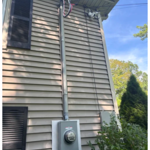
Meter
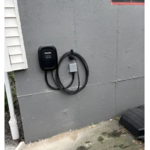
Tesla Charger
Avatar for Mister Sparky Electric
Mister Sparky Electric
4.2(
6
)
Fixed Generator - InstallGenerator - Install - For BusinessPortable Generator - Install

Serving New Haven, CT and surrounding areas

Approved

In business since 2024

Free estimates

Emergency services offered

"Installed the bathroom fan/light which wasn’t super easy, they had to crawl through insulation in the attic. Also changed out the broken switch on the outlet while they were there which was nice. Not terribly pricey"
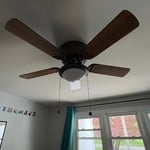
Install Ceiling fan
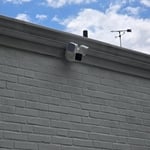
security camera
Response time7 hrs
33 neighbors recently requested a quote
Recommended by20%of homeowners
...
Showing 1-10 of 99
Generator Install FAQs, answered by experts

While standby generators provide essential backup power, they can fail when you need them most due to lack of maintenance, fuel supply issues, dead batteries, electrical problems, or improper installation. To avoid costly failures, professional installation and regular maintenance are crucial. Licensed technicians ensure safety, uphold warranty requirements, comply with regulations, and provide expert servicing.

To determine the right size generator for your house, you should calculate the total wattage of the appliances and devices you want to power during an outage. List all essential items, note their start-up wattages, and add them together.

Here are some typical wattage requirements for common appliances:

  • Refrigerator: 600 watts

  • Large dehumidifier: 700 watts

  • Large window air conditioner: 1,400 watts

  • Water heater: 3,000 to 4,500 watts

  • Electric furnace: 5,000 to 25,000 watts

A 7,500-watt generator might be sufficient for essentials like a refrigerator, freezer, well pump, and lighting circuits. However, for high-demand items like a water heater or furnace, a whole-home generator is a better choice. A portable generator may be enough if you only need to power a few critical items.

While home square footage can offer a rough estimate, it is not always a reliable indicator. For reference, here are some typical generator sizes based on square footage:

  • 1,000 sq ft: 6–9 kW

  • 1,500 sq ft: 7–10 kW

  • 2,000 sq ft: 10–14 kW

  • 2,500 sq ft: 12–16 kW

  • 3,000 sq ft: 16–20 kW+

For the most accurate sizing, consult a professional who can calculate your home's peak and average power consumption and recommend the optimal generator.


The amount of time a standby generator can run continuously is around 3,000 hours on average. However, standby generators can generally run indefinitely as long as they have a continuous fuel supply. Generators hooked up to a home’s natural gas supply are the best option for extended usage, as these won’t rely on a finite fuel supply based on how much you have in storage. Generators running on liquid propane or diesel won’t last as long, as these require fuel storage and regular refueling to stay running.

Yes, in some locations, it is required by the National Electric Code (NEC) to have a transfer switch installed for electrical emergencies. In addition to following electrical code, generator transfer switches ensure your home is fully protected during a power outage. By switching the power from the main breaker to the generator breaker, you can seamlessly operate your HVAC, lights, appliances, devices, and more during an emergency. 

No, you should never plug a generator directly into a wall outlet in your house. This practice is extremely dangerous, often illegal, and can cause "back-feeding," where power from the generator flows back into utility lines, creating a life-threatening hazard for utility workers. It can also damage your home's electrical system, including appliances like pumps and HVAC fans. If the main power is restored while the generator is connected, it can destroy the generator and cause an electrical fire. To safely connect a generator, you must use a professionally installed transfer switch or an interlocking kit, which prevents back-feeding by disconnecting your home from the utility grid before the generator provides power.

The New Haven, CT homeowners’ guide to generator installs

From average costs to expert advice, get all the answers you need to get your job done.