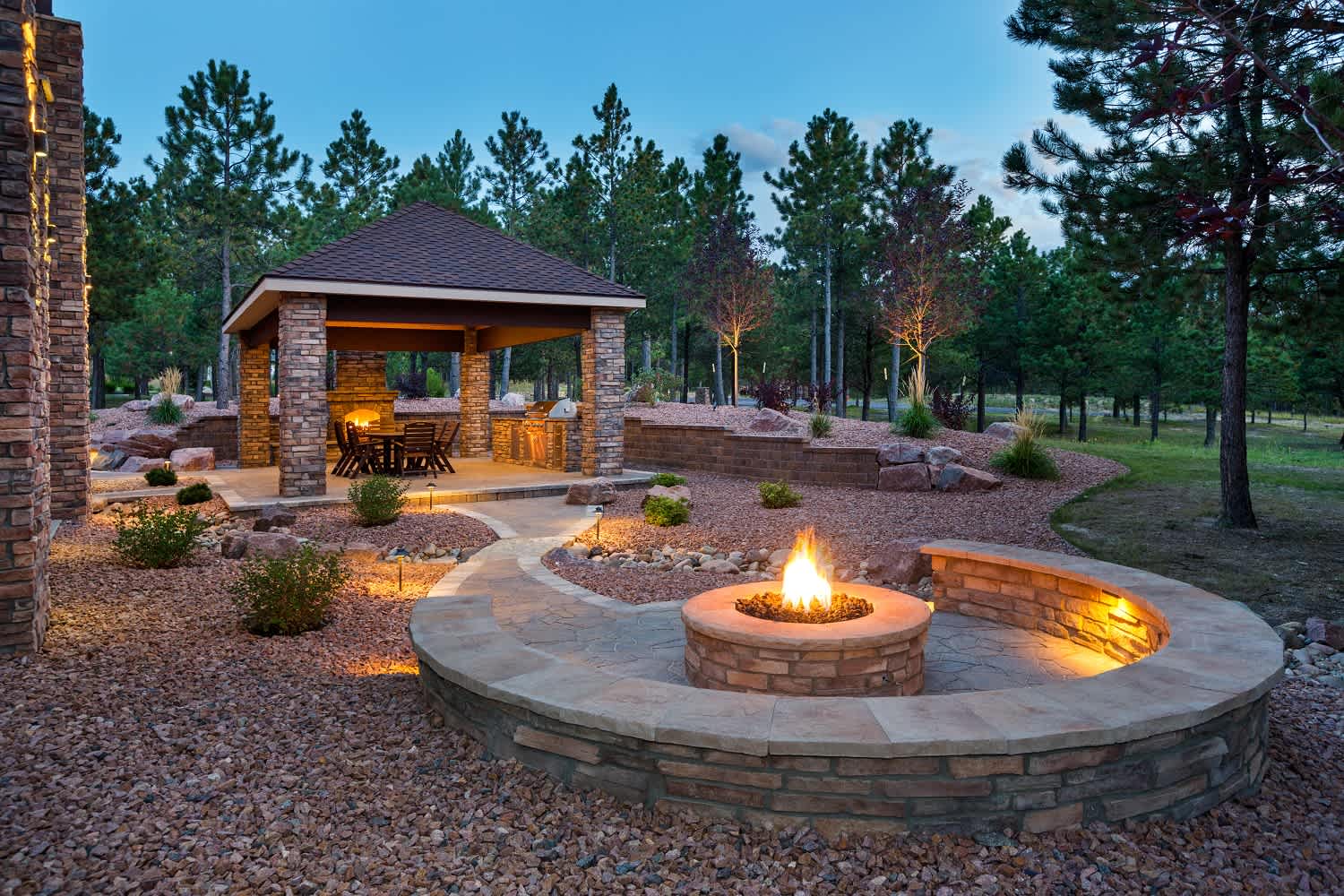







Top-rated fire pit installation pros.

Get matched with top fire pit installation pros in Bolton, CT

Enter your zip and get matched with up to 5 pros

Need a pro for your fire pit installation project in Bolton, CT?

Select your specific project to find the pro for you.

TRUSTED BY BOLTON, CT HOMEOWNERS

  • Average homeowner rating star icon4.6
    Average homeowner rating
  • Verified reviews icon308
    Verified fire pit installation services reviews

Find Fire pit installation pros in Bolton

No results for Fire pit installation pro in

Try adjusting your search criteria.
Fire Pit Installation questions, answered by experts

Yes. Even when it’s not in use, an outlet is still connected to wiring, and if the wiring is faulty or wet, a fire can occur. Broken outlets can also cause fires, for the same reasons; in fact, most broken outlets are broken due to damaged or worn-out wiring. It’s worth replacing outlets that are old or damaged with the help of an electrician.

Yes, you can close off a fireplace both temporarily and permanently with extremely wide price ranges. Temporary solutions involve fireplace plugs that can be inflated to block air and deflated to open the fireplace, covers, and boards. Permanent methods of shutting off fireplaces usually involve bricking up the fireplace or covering it with drywall. No matter the method, it’s probably best to hire a professional.

While your forced heating system runs, it can pick up dirt, dust, hair, and other particles from inside your house. Changing your furnace filters regularly is key to preventing this debris from getting stuck in your ducts and swirling around your home. With some types of furnaces, there’s also the potential for carbon monoxide leaks. However, staying up-to-date with your HVAC inspections and installing carbon monoxide sensors can help mitigate this risk.



Yes. It’s okay to leave a pellet stove on overnight, and these stoves can provide 24 to 48 hours of warmth from one ignition. However, you should practice proper pellet stove maintenance, like cleaning the burn pot before each use, deep cleaning the unit at least once per year, and running the fan when the stove is lit.

A chimney requires both a cover and a cap, but these parts often get confused with one another. A chimney cover seals the top of the chimney around the flue pipe to prevent water from entering the chimney. A chimney cap is a piece that sits above the flue to prevent animals, debris, and water from entering the flue.

The Bolton, CT homeowners’ guide to fire pit installation services

From average costs to expert advice, get all the answers you need to get your job done.