Top-rated excavation pros.

Get matched with top excavation pros in Swink, CO

Enter your zip and get matched with up to 5 pros

Need a pro for your excavation project in Swink, CO?

Select your specific project to find the pro for you.

Find Excavation pros in Swink

Avatar for All Whether LLC
All Whether LLC
New to Angi

Serving Swink, CO and surrounding areas

In business since 2023

Free estimates

Emergency services offered

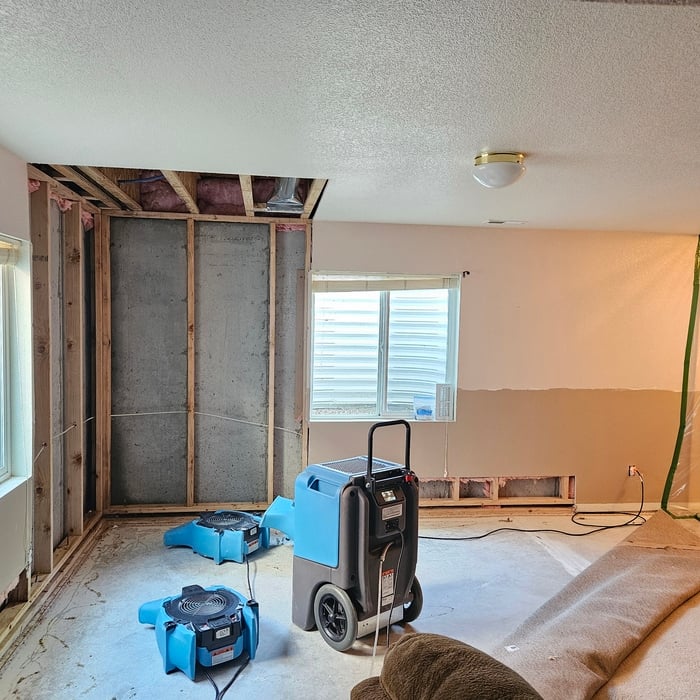
Father Daughter business with 24 years of experience in disaster remediation work.\nLicensed for excavation, disaster & water damage remediation, mitigation & restoration services. Mold/mildew damage repaired properly. We can arrive at 03:00 AM to help find that nasty broken water line and help with the remediation. No hole too small, no job too big, we are available 24/7 to help fix your problems and help clear your angst. \nNeed a culvert installed? Need a new water line run? Need someone to dig that hole because you don't have the time or the physical ability anymore? Need someone to install a septic tank & leach field or dig a foundation, install culverts or dig a hole for that swimming pool you always wanted?\n\nCall 719 213-6501 or 719 757-0879 to set up an appointment and get a reasonable estimate

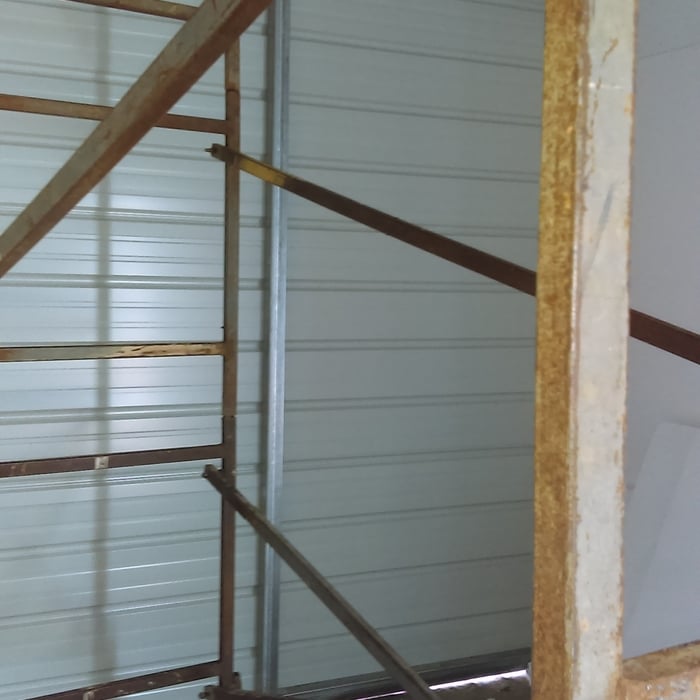
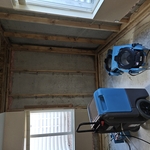
Ready for rebuild
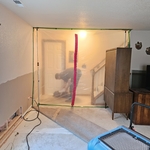
Containment
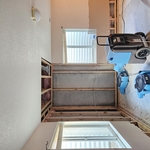
Dehue and fans
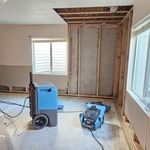
Dehue and fans
Dehue and fans

+12

Response time3 days
Showing 1-10 of 20
Excavating questions, answered by experts

Trenches are typically 12 to 24 inches deep and 8 inches wide. However, the required depth depends on the specific project and local ordinances. For example, a French drain may need to be 18 inches deep, while a water pipe might require a depth of 24 inches and a drainage pipe 36 inches. Your city or county may have specific regulations, so it's wise to consult with an excavation professional to determine the correct depth for your project.

Hard soil could be a sign of overly dry dirt, either from poor drainage or drought. It's important to test the nutrient levels, density, and drainage capacity of your soil to see if it's absorbing water properly. Begin by adding a light layer of water and observing how long the soil retains moisture. If you experience a good deal of runoff, you may need to aerate your lawn, apply a wetting agent, or hire a professional for a closer look.

Hardscaping often requires preparation of the ground in the area where the feature is being installed. This can include digging, compacting, and leveling the soil, ensuring adequate drainage, and removing any existing plants. The extent of preparation needed will depend on the type and size of the hardscaping feature being installed.

Almost any kind of home can have a wine cellar or cabinet installed. You’ll need an area where a concrete floor can be put in, along with the necessary insulation, climate control, and ventilation systems. If you think of yourself as an aspiring sommelier, an underground wine cellar may be ideal, but it will cost significantly more. 

What you choose to install really depends on your budget and how many bottles you’re looking to store.

The cost to repair a crawl space runs between $1,500 and $15,000, depending on the extent of the damage. Major flooding or water repairs can cost up to $10,000 for removal and repairs. If you simply need to clean your crawl space, expect to pay between $2,000 and $6,000 for a major cleanout. Replacing a crawl space beam due to rot or damage can cost between $1,500 and $5,000, while removing and replacing damaged insulation costs between $1,000 and $4,000.

The Swink, CO homeowners’ guide to excavation services

From average costs to expert advice, get all the answers you need to get your job done.