
Top-rated fire pit installation pros.

Get matched with top fire pit installation pros in Grand Junction, CO

Enter your zip and get matched with up to 5 pros

Need a pro for your fire pit installation project in Grand Junction, CO?

Select your specific project to find the pro for you.

TRUSTED BY GRAND JUNCTION, CO HOMEOWNERS

  • Average homeowner rating star icon4.3
    Average homeowner rating
  • Verified reviews icon262
    Verified fire pit installation services reviews

Find Fire pit installation pros in Grand Junction

Avatar for Basecamp Handyman Services
Basecamp Handyman Services
5.0(
3
)
Handyman for Multiple Small Projects

Serving Grand Junction, CO and surrounding areas

Approved

Free estimates

Warranties offered

Small jobs welcome

"I had Evan do multiple jobs around the house that my husband and I where not able to do He was very efficient,fast and cleaned up after each job Evan was very friendly and reasonable on what he charges I will be using his services again!"
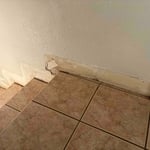
Skirt baseboards
Skirt baseboards
Skirt baseboards
Skirt baseboards
11 neighbors recently requested a quote
...
Showing 1-10 of 149
Fire Pit Installation questions, answered by experts

You should never block both the top and bottom of your chimney. Proper airflow is essential because the temperature inside the chimney will still fluctuate as your house warms and cools. Moisture can build up without ventilation, leading to dampness in your walls over time. Blocking the top prevents debris and animals from entering, but the chimney still needs air circulation to avoid condensation issues. Allowing the chimney to breathe maintains the health of your home and prevents long-term damage.

Yes, a hot or overheating outlet is a fire hazard and can cause a fire. An outlet becoming hot indicates an electrical problem, such as an overloaded circuit, loose connections, or a faulty component. The heat from these issues can ignite nearby flammable materials like curtains or furniture. If you notice an outlet is hot to the touch, turn off the power at the circuit breaker, unplug any connected devices, and consult a qualified electrician. If a fire does start, use a Class C fire extinguisher or baking soda to suppress it, or evacuate immediately and call the fire department.

Start by checking the top or side edge of the door. Look for a certification label or metal tag stamped with details like the fire rating and information on the manufacturer. Even if it’s painted over, the tag should still be visible. Next, look along the edges for slim intumescent strips. They’re designed to swell up and seal gaps when exposed to heat. Finally, check if the door closes itself. Most fire doors have a self-closing mechanism, like an overhead closer or spring hinges. If none of these are obvious, contact a fire safety professional to help verify your door. 

While a hot fire can help heat up and loosen tar within your chimney, making it a recommended step before using a creosote log, it will not burn off significant existing buildup on its own. Attempting to remove built-up creosote with a hot fire is dangerous and can cause a chimney fire. For safe and effective removal of caked-on creosote, the best approach is to hire a professional chimney sweep.

Regular professional chimney cleaning and a well-fitting chimney cap are two of the most effective measures to help prevent flue blockages. Annual cleaning keeps the flue from developing a thick layer of creosote. The chimney cap keeps debris out and stops critters from going down your flue for shelter while carrying clog-worthy nesting material.

The Grand Junction, CO homeowners’ guide to fire pit installation services

From average costs to expert advice, get all the answers you need to get your job done.