

Top-rated fire pit installation pros.

Get matched with top fire pit installation pros in Whitewater, CO

Enter your zip and get matched with up to 5 pros

Need a pro for your fire pit installation project in Whitewater, CO?

Select your specific project to find the pro for you.

TRUSTED BY WHITEWATER, CO HOMEOWNERS

  • Average homeowner rating star icon4.3
    Average homeowner rating
  • Verified reviews icon209
    Verified fire pit installation services reviews

Find Fire pit installation pros in Whitewater

Avatar for High Desert Home Solutions LLC
High Desert Home Solutions LLC
5.0(
9
)
Handyman for Multiple Small Projects

Serving Whitewater, CO and surrounding areas

Approved

In business since 2025

Free estimates

Warranties offered

"They were very professional,. The were very reasonable in pricing! Once the got the measurements they ordered and when they received the blinds, installed right away. I would highly recommend the company!!"
12 neighbors recently requested a quote
Avatar for Basecamp Handyman Services
Basecamp Handyman Services
5.0(
1
)
Handyman for Multiple Small Projects

Serving Whitewater, CO and surrounding areas

Approved

Free estimates

Warranties offered

Small jobs welcome

"I had Evan do multiple jobs around the house that my husband and I where not able to do He was very efficient,fast and cleaned up after each job Evan was very friendly and reasonable on what he charges I will be using his services again!"
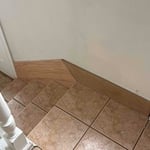
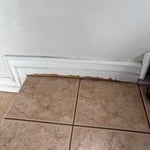
Skirt baseboards
Skirt baseboards
Skirt baseboards
Skirt baseboards
8 neighbors recently requested a quote
...
Showing 1-10 of 100
Fire Pit Installation questions, answered by experts

In most cases, having a fire hydrant installed on your property, whether it’s maintained by you personally or your municipality, will reduce your insurance premiums. Its proximity to any buildings on the property will reduce the time it takes to put out a fire, thus reducing the resulting damage.

Yes, spider webs are flammable, taking them from minor household nuisance to something more dangerous. Silk boasts no built-in resistance to fire, though it takes an abundance of spider webs to actually catch fire and spread. A cobweb here and there poses no major fire safety risk, so it’s not a cause for concern.

You should never block both the top and bottom of your chimney. Proper airflow is essential because the temperature inside the chimney will still fluctuate as your house warms and cools. Moisture can build up without ventilation, leading to dampness in your walls over time. Blocking the top prevents debris and animals from entering, but the chimney still needs air circulation to avoid condensation issues. Allowing the chimney to breathe maintains the health of your home and prevents long-term damage.

Attics often contain a mix of insulation, electrical wiring, and other materials that can pose fire risks. That’s why furnaces should be installed in the attic with proper insulation and clearance from combustible materials. Additionally, the furnace should be equipped with proper ventilation and heat shields to prevent the buildup of excessive heat in the attic space. Regular inspections and maintenance are also crucial to identify and address any potential fire hazards.

Depending on who’s doing the estimating, about 22,000 to 25,000 chimney fires happen each year in the United States. Given the fact that millions of Americans have fireplaces (and chimneys), that means chimney fires aren’t exactly common—but they’re not rare, either. Since they’re so dangerous, it’s important to take precautions to prevent them.

The Whitewater, CO homeowners’ guide to fire pit installation services

From average costs to expert advice, get all the answers you need to get your job done.