
Top-rated plaster repair specialists.

Get matched with top plaster repair specialists in Thermal, CA

Enter your zip and get matched with up to 5 pros

Need a pro for your plaster repair project in Thermal, CA?

Select your specific project to find the pro for you.

Find Plaster repair specialists in Thermal

Avatar for PG Plastering
PG Plastering
4.8(
19
)
Plaster - InstallPlaster - Install - For BusinessPlaster - Repair+1 more

Serving Thermal, CA and surrounding areas

In business since 2000

Free estimates

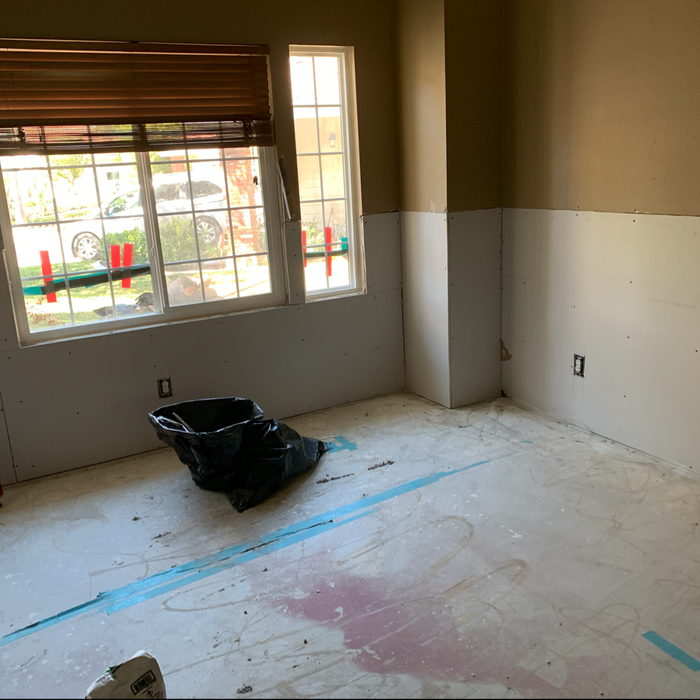
"Project: Repair and partially replace stucco surface of small retaining wall. Phil met with me and we discussed how to treat a short retaining wall that was losing the stucco surface after about 4 years since it was originally plastered. The wall was alowing water seepage to come thru the concrete block and lifting the original stucco finish off. Phil suggested a repair , consisting of first scraping all loose stucco off the wall and then applying an adhesive type undercoat followed by a total restucco of the wall. It was done very professionally , minimal debris, 2-day process , and it looks great. Now I just have to see how it holds up over the next 4-5 years . Highly recommend PG Plastering."
Response time2 hrs
Recommended by100%of homeowners

Avatar for Superior Plastering - Unlicensed Contractor
Superior Plastering - Unlicensed Contractor
3.9(
8
)
Plaster - Repair

Serving Thermal, CA and surrounding areas

In business since 2000

Free estimates

Emergency services offered

"They were able to come out in a timely manner and do some drywall repairs. When I noticed some needed touch up, they were willing to come back and make the area better. Like thier customer service."
Not Completed
Completed
Not Completed
Completed
Driveways

+2

Response time1 day
Response rate85%
Recommended by71%of homeowners
Avatar for Ocean Seven Builders
Ocean Seven Builders
4.6(
68
)
Plaster - InstallPlaster - Install - For BusinessPlaster - Repair+1 more

Serving Thermal, CA and surrounding areas

In business since 1994

Free estimates

Emergency services offered

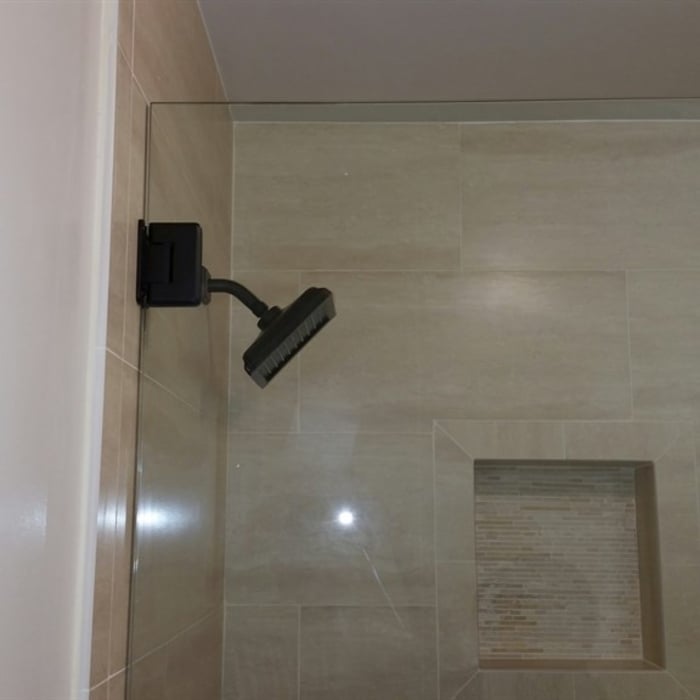
"Our bathroom was outdated and cramped, so we decided to remodel with Ocean Seven Builders. Ron was involved throughout the process and made sure we understood each step. What stood out most was how organized everything felt once the work began. The team was respectful of our home and finished the project close to the expected timeline. The final result looks modern and much more functional!"
Additional Photos
Additional Photos
Additional Photos
Recommended by59%of homeowners
...
Showing 1-10 of 61
Plaster Repair questions, answered by experts

Yes, you can use drywall repair techniques for some types of plaster damage. Tiny holes and small cracks in plaster can be patched in similar ways to drywall. You apply the necessary compound to fill the hole, wait for it to dry, then sand it down. For larger damage, like water damage or mold, you need to use plaster-specific techniques and materials.

Although they have similar applications, spackle and joint compound are not the same. Their primary differences lie in their composition, consistency, and ideal use cases.

Spackle is composed of gypsum and binding agents, making it thicker than joint compound. It dries quickly and is easy to sand, which makes it ideal for small wall repair projects like filling nail holes or patching minor damage.

Joint compound, also known as drywall mud, consists of limestone and gypsum. It is primarily used for large-scale projects, such as taping and finishing the seams on newly installed drywall. It tends to shrink more than spackle and can be more difficult to spread.

While both products can be used to fill small depressions and cracks, spackle cannot replace joint compound for taping and mudding new drywall. Conversely, you can often use joint compound for small patching jobs typically done with spackle.

Yes, you can apply new plaster over an existing plaster surface, such as a wall or ceiling, provided the old plaster is in good condition. Before you begin, check the stability of the existing plaster. The surface must be clean, free of loose material, and have no peeling paint. It is also recommended to roughen the surface slightly to promote adhesion. For older plaster, applying a base coat like a PVA emulsion or a specific bonding agent or primer is crucial. This step makes the existing plaster less porous and ensures the new and old layers adhere properly for a smooth, long-lasting finish.
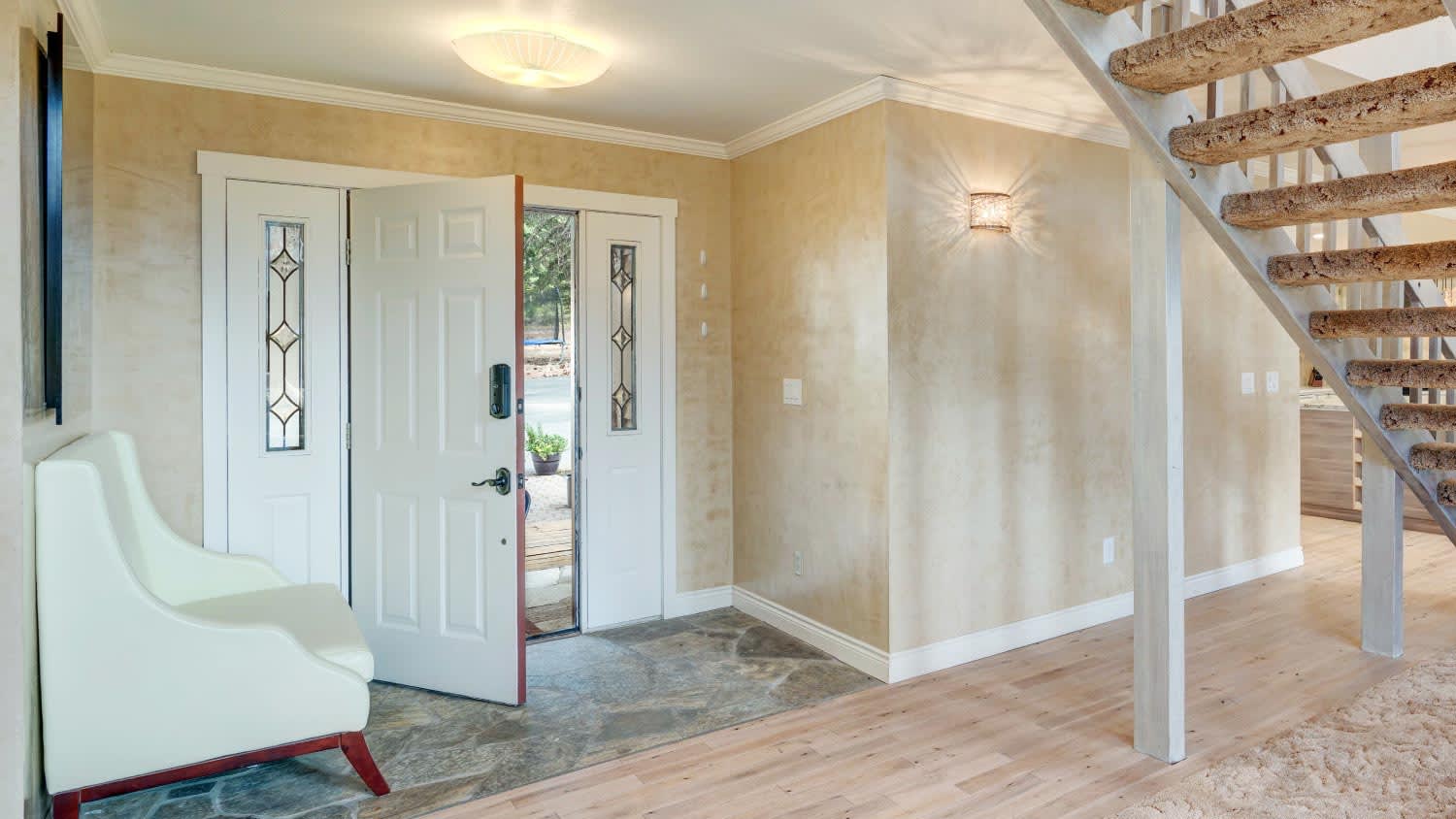
Regular inspections and cleaning to prevent moisture or pest issues.

Plaster ceilings can sag for several reasons. In some cases, the plaster and other building materials shift and come apart over time, which is why you’ll commonly find drooping plaster ceilings in older homes. Improper installation, foot traffic, and water damage—often from a leaky roof or a broken pipe—can also cause plaster ceilings to sag.

The Thermal, CA homeowners’ guide to plaster repairs
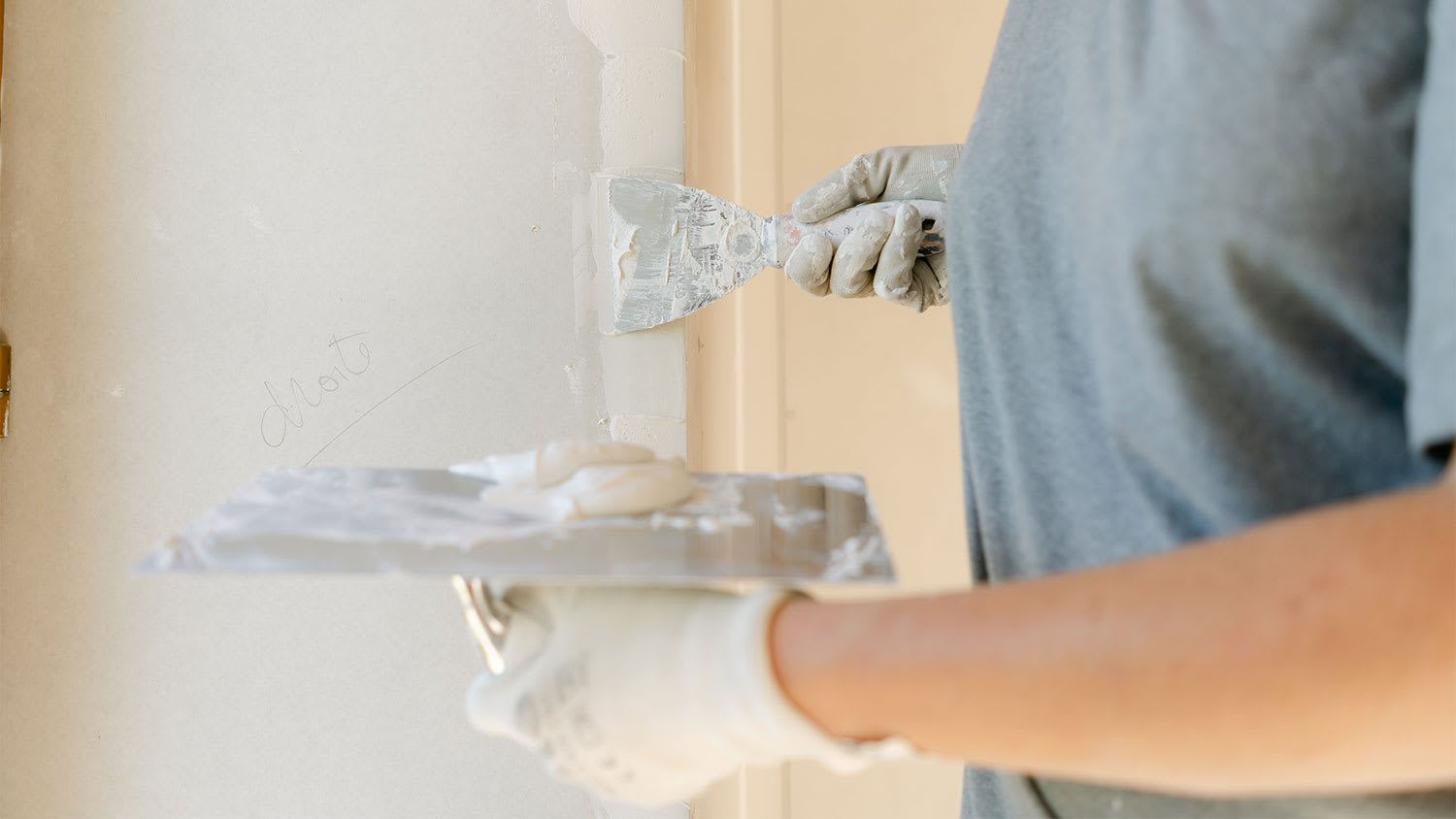
From average costs to expert advice, get all the answers you need to get your job done.