




Top-rated generator install pros.

Get matched with top generator install pros in San Jacinto, CA

Enter your zip and get matched with up to 5 pros

Need a pro for your generator install project in San Jacinto, CA?

Select your specific project to find the pro for you.

Find Generator install pros in San Jacinto

Avatar for McKee Electrical Contracting
McKee Electrical Contracting
5.0(
2
)
Fixed Generator - InstallGenerator - Install - For BusinessPortable Generator - Install

Serving San Jacinto, CA and surrounding areas

Approved

In business since 2022

Free estimates

Emergency services offered

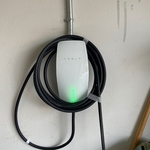
"They are knowledgeable and installed the car charging station in my garage. I had compared with other companies who seemed to be cutting corners, and I felt McKee was doing things the right way so I chose them. His communication was good, he was on time, and followed through on what he said he would do. Good, clean, and professional. I intend to have him back out for my next electrical project."
ELECTRICAL Projects
ELECTRICAL Projects
ELECTRICAL Projects
ELECTRICAL Projects
Response time20 mins
Recommended by100%of homeowners
Avatar for Eddie's electric
Eddie's electric
5.0(
1
)
Portable Generator - Repair

Serving San Jacinto, CA and surrounding areas

Approved

Small jobs welcome

Credit card accepted

"Excellent work. From the start he showed professionalism, punctuality, and great attention to detail. The installation was clean, well organized, and working perfectly both indoors and outdoors. He also explained everything clearly and made sure everything was safe and ready to use. I definitely recommend him for any electrical work — reliable service and top-quality results."
Zacharie Ponce
New to Angi
Portable Generator - Repair

Serving San Jacinto, CA and surrounding areas

Approved

Free estimates

Emergency services offered

Small jobs welcome

Electrician with over 10 years of residential and commercial experience. I provide professional installations with a focus on safety and budget friendliness. My craftsmanship is specialized in:\n-New construction \n-Remodeling\n-Custom LED fixtures \n-Panel upgrades\n-EV chargers\n-Troubleshooting\nWorking out of LA county and willing to travel to Ventura and Orange counties.

Mpower electric
New to Angi
Portable Generator - Repair

Serving San Jacinto, CA and surrounding areas

Approved

Hello my name is Miguel, I have 10 years of electrical experience and have been in commercial and industrial job sites through out of Los Angeles and Orange County. I’ve worked on panel upgrades, installing light fixtures, house rewire and EV chargers, etc. My craftsmanship for electrical work is definitely outstanding. I also, \nobtain my code regulations for installation purposes.

...
Showing 1-10 of 108
Generator Install questions, answered by experts

Natural gas generators are designed to run for extended periods of time, such as power outages during a natural disaster. Since there’s no limit to the supply of natural gas, they don’t need to stop for refills. However, generators do need maintenance, including pauses to check and add oil. Constantly running them will also cause a lot more wear and tear, leading to a shorter lifespan.

The cost to install a whole-house generator averages $5,200, with a typical price range of $1,500 to $8,900. However, total costs can vary from $400 for a small portable unit to over $18,000 for a large-capacity system. The most significant cost factor is the generator's size and capacity, but other variables include the brand, fuel type, and labor for assembly and installation.

Generator costs can be broken down by type:

  • Portable or Emergency Backup Generators (1kW–7.5kW): $500 to $2,000

  • Partial-Home Generators (9kW–20kW): $2,000 to $6,500

  • Whole-House Generators (22kW–48kW): $5,000 to $18,000

To avoid paying for more power than you need, consider hiring an electrician to calculate the electrical load for your essential appliances. It is also recommended to get at least three quotes to find the best deal for your specific needs and budget.

It is safe to run a generator continuously, but you must follow safety protocols to ensure personal and home safety. Read the manufacturer’s instructions for specific recommendations, but the general recommendation is to turn generators off overnight or when you’re away from the house. Overworked generators can pose a fire hazard and if your generator is not in a well-ventilated area, running it continuously could lead to carbon monoxide poisoning.

No, you should never plug a generator directly into a wall outlet in your house. This practice is extremely dangerous, often illegal, and can cause "back-feeding," where power from the generator flows back into utility lines, creating a life-threatening hazard for utility workers. It can also damage your home's electrical system, including appliances like pumps and HVAC fans. If the main power is restored while the generator is connected, it can destroy the generator and cause an electrical fire. To safely connect a generator, you must use a professionally installed transfer switch or an interlocking kit, which prevents back-feeding by disconnecting your home from the utility grid before the generator provides power.

To determine the right size generator for your house, you should calculate the total wattage of the appliances and devices you want to power during an outage. List all essential items, note their start-up wattages, and add them together.

Here are some typical wattage requirements for common appliances:

  • Refrigerator: 600 watts

  • Large dehumidifier: 700 watts

  • Large window air conditioner: 1,400 watts

  • Water heater: 3,000 to 4,500 watts

  • Electric furnace: 5,000 to 25,000 watts

A 7,500-watt generator might be sufficient for essentials like a refrigerator, freezer, well pump, and lighting circuits. However, for high-demand items like a water heater or furnace, a whole-home generator is a better choice. A portable generator may be enough if you only need to power a few critical items.

While home square footage can offer a rough estimate, it is not always a reliable indicator. For reference, here are some typical generator sizes based on square footage:

  • 1,000 sq ft: 6–9 kW

  • 1,500 sq ft: 7–10 kW

  • 2,000 sq ft: 10–14 kW

  • 2,500 sq ft: 12–16 kW

  • 3,000 sq ft: 16–20 kW+

For the most accurate sizing, consult a professional who can calculate your home's peak and average power consumption and recommend the optimal generator.

The San Jacinto, CA homeowners’ guide to generator installs

From average costs to expert advice, get all the answers you need to get your job done.