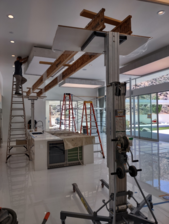



Josh
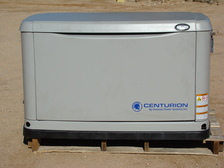
Portable Generator - Repair
Serving Anza, CA and surrounding areas
Approved
Small jobs welcome
"Rapid aid and did a great job. Small projects that were pending to be finished. He came in and finished everything timely and well."
+5

*The Angi rating for Generator Install companies in Anza, CA is a rating based on verified reviews from our community of homeowners who have used these pros to meet their Generator Install needs.
*The HomeAdvisor rating for Generator Install companies in Anza, CA is a rating based on verified reviews from our community of homeowners who have used these pros to meet their Generator Install needs.
Last update on December 20, 2025
Serving Anza, CA and surrounding areas
Approved
Small jobs welcome
"Rapid aid and did a great job. Small projects that were pending to be finished. He came in and finished everything timely and well."
+5
Serving Anza, CA and surrounding areas
Approved
Small jobs welcome
Credit card accepted
"Excellent work. From the start he showed professionalism, punctuality, and great attention to detail. The installation was clean, well organized, and working perfectly both indoors and outdoors. He also explained everything clearly and made sure everything was safe and ready to use. I definitely recommend him for any electrical work — reliable service and top-quality results."
Serving Anza, CA and surrounding areas
Approved
Electrician 30 plus years commercial residential some industrial indoor and outdoor installation English speaker can provide materials if needed and any clean up duties estimate can be be lower than some first thots by owner fair price is about working with more customers
Serving Anza, CA and surrounding areas
Approved
Hello my name is Miguel, I have 10 years of electrical experience and have been in commercial and industrial job sites through out of Los Angeles and Orange County. I’ve worked on panel upgrades, installing light fixtures, house rewire and EV chargers, etc. My craftsmanship for electrical work is definitely outstanding. I also, \nobtain my code regulations for installation purposes.
Serving Anza, CA and surrounding areas
Approved
I’m a reliable and detail-oriented handyman specializing in electrical installations and small home projects. I have experience installing ceiling fans, light fixtures, outlets, switches, and handling other basic electrical needs safely and efficiently. I take pride in doing clean, professional work and making sure everything is up to standard.
Serving Anza, CA and surrounding areas
Approved
Free estimates
Emergency services offered
Small jobs welcome
Experienced electrical and construction professional offering reliable home improvement services. From lighting installations to repairs and upgrades, I provide honest pricing, quality work, and dependable service you can trust.\n
Serving Anza, CA and surrounding areas
Approved
Very professional, in every aspect. Always with the best attitude to accomplish every project and every job that i do.
Serving Anza, CA and surrounding areas
Approved
Licensed Journeyman Electrician serving the High Desert and surrounding areas. I provide professional, code-compliant electrical work with a focus on quality, safety, and doing the job right the first time. I can help with troubleshooting, outlets and GFCIs, lighting, dedicated circuits, EV chargers, ceiling fans, panel work, remodel electrical, and other residential electrical projects.\n\nI’m available after 3 PM on weekdays and throughout the weekend, making it easier to schedule work around your day. I believe in clear communication, fair pricing, clean workmanship, and treating every home like it’s my own. Whether it’s a small repair or a larger electrical project, feel free to reach out and tell me what you need done.
Serving Anza, CA and surrounding areas
Approved
Free estimates
Warranties offered
Small jobs welcome
I just recently got my electrical contractors license. I’ve been doing residential and commercial electrical for the last 20 years.
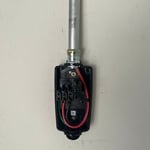
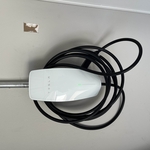
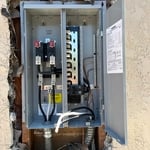
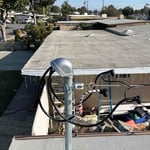
+8
Serving Anza, CA and surrounding areas
Approved
We are Juarez general contractors, we provide top quality services with anything you may need! We offer finish carpentry, rough carpentry as well as electrical and plumbing services, we are licensed and insured in the state of California :)\n
From average costs to expert advice, get all the answers you need to get your job done.

The average cost of a whole-house generator falls between $5,000 and $25,000. Keep reading to learn how much you can expect to spend.

The cost to install a generator transfer switch depends on several factors. Our guide will help you understand all of the costs.

Natural gas generators are whole-home standby generators that are connected to your home’s natural gas line. The average cost for a natural gas generator is $12,000.

Generators should give you peace of mind, but you’ll only get that if your installer knows what they’re doing. Learn how to hire a pro and what red flags to look for.

Whole home generator installations require a professional hand. Read this guide to help you decide which generator is best for your home.
Thinking about a generator installation? Learn about backup power options, costs to expect, and how to hire the right local pro to keep your home running.