







Top-rated septic tank pros.

Get matched with top septic tank pros in Lone Pine, CA

Enter your zip and get matched with up to 5 pros

Need a pro for your septic tank service project in Lone Pine, CA?

Select your specific project to find the pro for you.

Find Septic tank pros in Lone Pine

Avatar for American Home Shield – Home Warranty
American Home Shield – Home Warranty
3.5(
5,688
)

Serving Lone Pine, CA and surrounding areas

In business since 1971

Credit card accepted

"I just pay $75 you never know who's going to come out. They do everything electrical. Just about everything is covered except the septic tank. I had an air conditioner replaced. It went great, all I had to do was pay for the freon. He didn't charge e more than what was needed."
Additional Photos
Additional Photos
Additional Photos
Additional Photos
Additional Photos

+2

Recommended by65%of homeowners
Aldridge Plumbing And Heating - Inicio Facebook
New to Angi

Serving Lone Pine, CA and surrounding areas

In business since 1995

Free estimates

Offers commercial services

Aldridge Plumbing and Heating, LLC is committed to excellence in every aspect of our business. We uphold a standard of integrity bound by fairness, honesty, and personal responsibility. Our distinction is the quality of service we bring to our customers. Accurate knowledge of our trade combined with ability is what makes us true professionals. Above all, we are watchful of our customers' interests and make their concerns the basis of our business.

Response time2 hrs
REGIER CONSTRUCTION COMPANY
New to Angi

Serving Lone Pine, CA and surrounding areas

In business since 2023

Free estimates

Offers commercial services

REGIER CONSTRUCTION COMPANY is committed to excellence in every aspect of our business. We uphold a standard of integrity bound by fairness, honesty, and personal responsibility. Our distinction is the quality of service we bring to our customers. Accurate knowledge of our trade combined with ability is what makes us true professionals. Above all, we are watchful of our customers' interests, and make their concerns the basis of our business.

Septic Tanks questions, answered by experts

While dry wells can be effective for managing rainwater, they have several disadvantages. They can become clogged with sediment, especially after large storms, which reduces their effectiveness and can be difficult to clean. Dry wells are also not suitable for all soil types; they will not function properly in soil with low permeability. Additionally, if a dry well is not large enough to handle the amount of rainfall in your area, it can overflow. For gravity-flow models, the water may disperse very slowly, depending on the well's depth and the soil's permeability.

Septic tanks appear full after pumping because the liquid levels have returned to normal. If you can see the pipe, the tank is empty. However, heavy rain can cause septic tanks to fill faster than normal. You might also have leaky pipes or faucets, causing extra water to drip down the drains and into the septic tank.

Yes, it is generally okay to oversize a well pressure tank, and it will not harm your well system. The primary advantage is that a larger tank reduces frequent pump cycling, leading to longer, slower cycles with fewer startups. This can result in less wear and tear, potentially increasing the lifespan of the pump and conserving energy. However, there are drawbacks to consider. Oversized tanks have a higher upfront cost and require more physical space. While not necessarily a bad thing, opting for a tank that is appropriately sized for your well is often the most efficient choice in terms of cost and space.

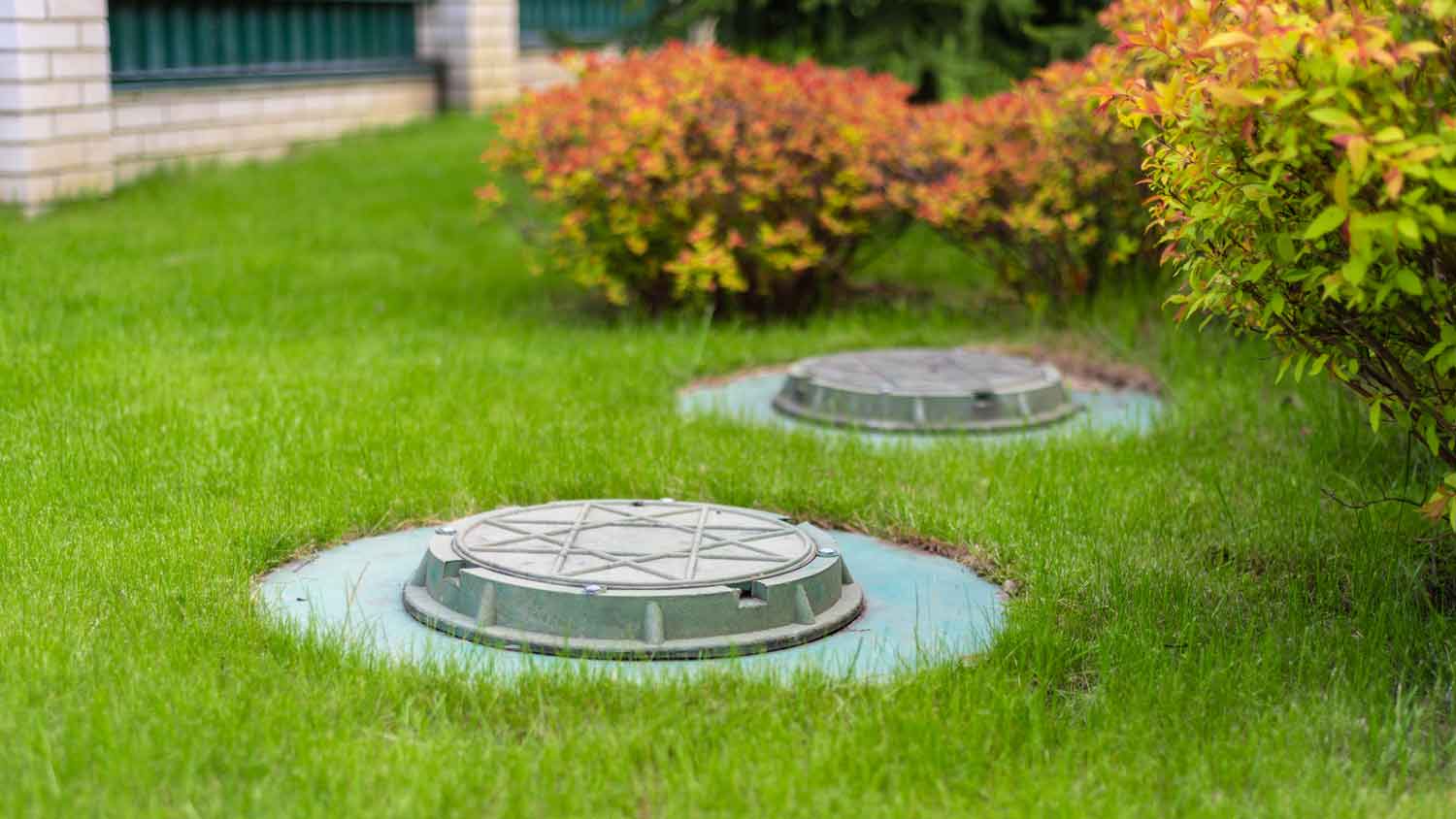
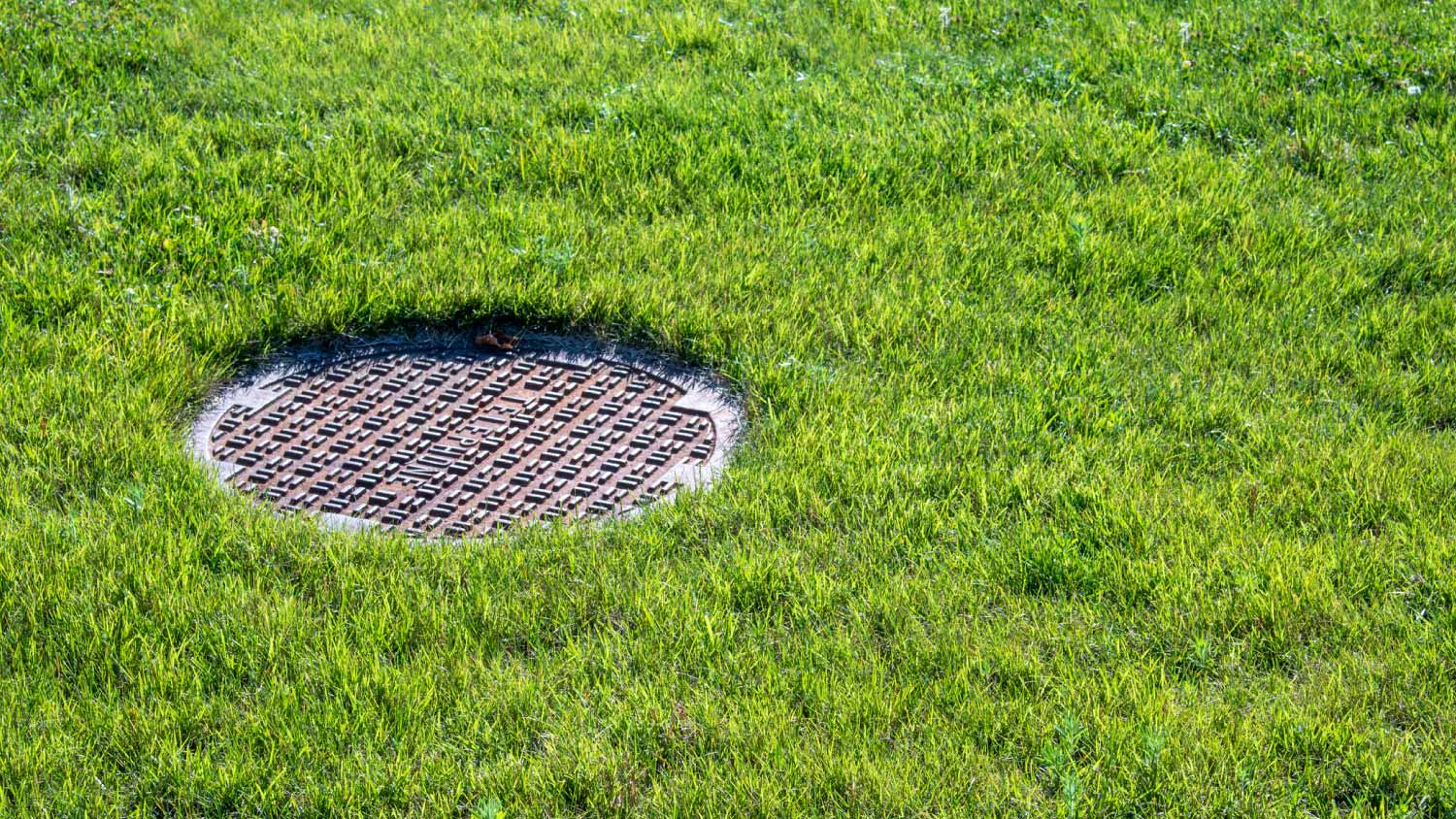
Start by finding the septic tank, marked by an access lid near your home. From there, the drain field extends outward in a series of trenches. Look for greener, lusher grass, as drain fields promote plant growth due to moisture and fertilizer. You can also check property records, use a soil probe to detect damp soil, or hire a septic professional with ground-penetrating radar equipment to map the drain field’s location.

Septic drain lines (or leach lines) are typically buried between 18 and 36 inches underground, and should be at least 6 inches below the surface. These pipes are perforated and surrounded by filtering materials like sand or gravel. Burying the lines at this depth helps minimize odors and allows bacteria and other biological processes in the soil to effectively treat the wastewater. Burying lines too close to the surface can cause issues unless the soil is very compact and stable.

The Lone Pine, CA homeowners’ guide to septic tank services

From average costs to expert advice, get all the answers you need to get your job done.