



Top-rated radon detection and reduction specialists.

Get matched with top radon detection and reduction specialists in Lancaster, CA

Enter your zip and get matched with up to 5 pros

Need a pro for your radon detection and reduction project in Lancaster, CA?

Select your specific project to find the pro for you.

Find Radon detection and reduction specialists in Lancaster

Avatar for Radon Solutions California, LLC
Radon Solutions California, LLC
4.4(
8
)
Radon Gas - AbatementRadon Gas - Testing

Serving Lancaster, CA and surrounding areas

Approved

In business since 2021

Free estimates

Credit card accepted

"Absolutely amazing experience. My home radon levels were averaging 5.0 pCi/L. Two days after Edward and his team finished the mitigation job the levels went down to 0.3. Incredible result. I can’t be happier."
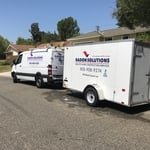
Radon Fans
Response time2 days
Recommended by100%of homeowners

Avatar for Restoration Hunter
Restoration Hunter
5.0(
3
)
Radon Gas - Testing

Serving Lancaster, CA and surrounding areas

Approved

In business since 2022

Free estimates

Warranties offered

"He was friendly, very professional, and answered all my questions clearly about how mold happens in a home. His reasonable estimate and scope of work. What are the steps for mold remediation? Furthermore, I had delicate items around the work area. He was very successful in making sure that nothing was damaged. "Think floor demolition in a China shop" where none of the dishes gets broken. I highly recommend restoration Hunter if you have to deal with mold in the home."
Recommended by66%of homeowners
Radon Detection and Reduction questions, answered by experts

The average radon mitigation system uses about 876 kWh of electricity per year, although the exact amount of electricity used will vary depending on the size of the radon fan. Once the system is installed, the annual increase to your energy bill could range from $30 to $300 per year, again depending on the size of the fan.

Radon is present almost everywhere but, like sunlight, the concentration levels and how often you are exposed to it have a large part to play in just how dangerous it is. There are levels of radon that are acceptable inside a house, but above a certain limit, radon becomes a serious radioactive hazard that is a known cause of lung cancer. In fact, radon exposure is the number two leading cause of lung cancer (after smoking).

Testing every 2-5 years or upon adjusting occupancy or structural changes maintains safe environments.

Your radon fan needs to operate 24/7 to be effective. The only time the fan isn't operating is during its replacement. Radon levels in the home can increase within hours if the fan stops working or something obstructs the stack vent. Fortunately, radon systems require no downtime maintenance between fan changes.

Your radon mitigation system may be loud because it’s time to replace it. Any sounds are usually from the inline fan that helps create the vacuum and resulting airflow. If you hear a new, loud mechanical or humming noise from your radon fan, it might be time to replace it. Most fans used in radon mitigation systems last up to 10 years, but may need to be replaced sooner.

The Lancaster, CA homeowners’ guide to radon detection and reduction services

From average costs to expert advice, get all the answers you need to get your job done.