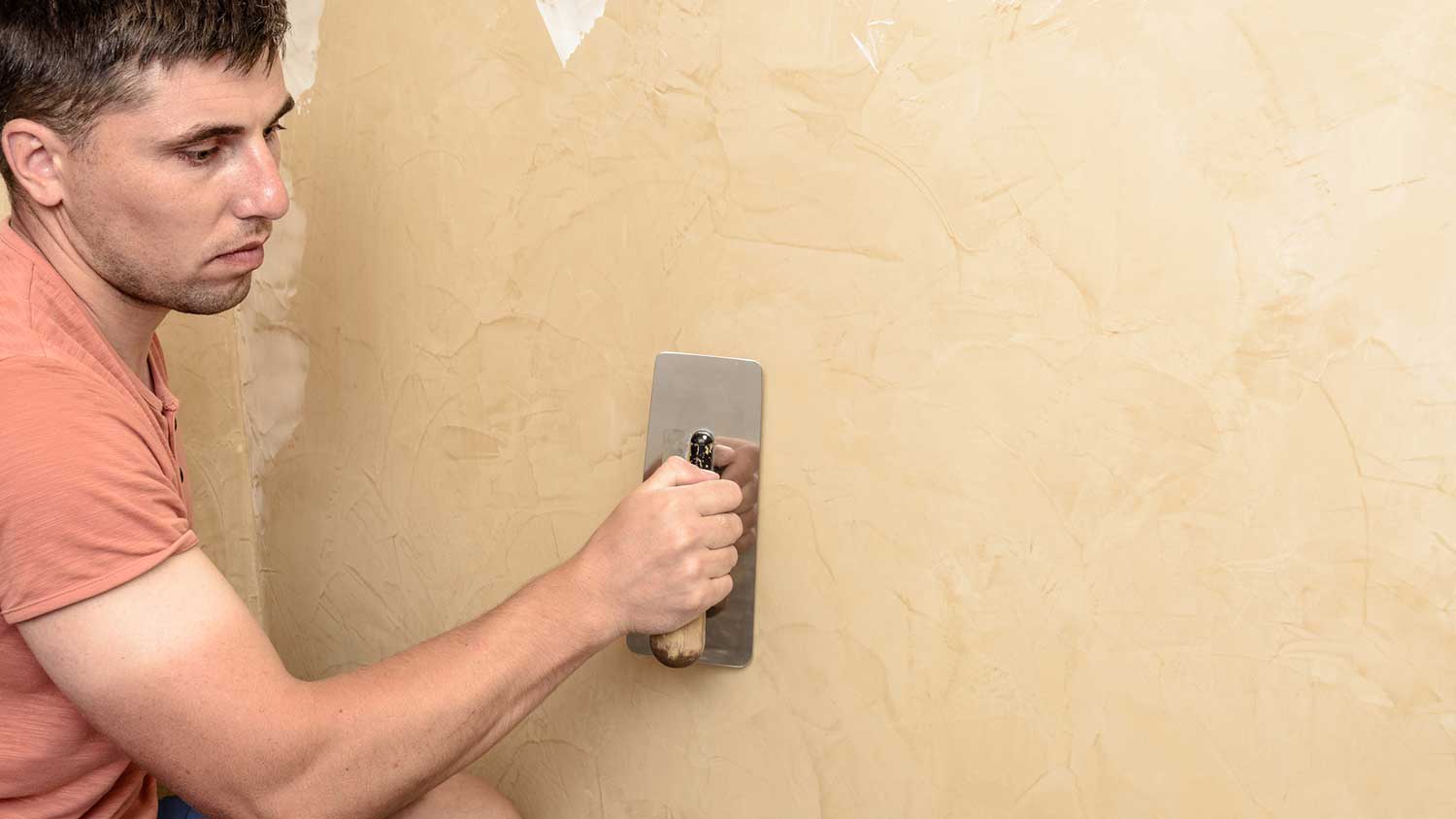





Yes, applying a texture can hide minor imperfections and irregularities in drywall, but it will not cover significant damage like nail marks or screw holes. The best texture depends on the size of the flaws. For minor imperfections, popular choices like orange peel, sand, or popcorn texture are effective. For larger imperfections, you may need a more prominent style, such as a knockdown or trowel finish, to conceal them effectively.
Yes, you can apply new plaster over an existing plaster surface, such as a wall or ceiling, provided the old plaster is in good condition. Before you begin, check the stability of the existing plaster. The surface must be clean, free of loose material, and have no peeling paint. It is also recommended to roughen the surface slightly to promote adhesion. For older plaster, applying a base coat like a PVA emulsion or a specific bonding agent or primer is crucial. This step makes the existing plaster less porous and ensures the new and old layers adhere properly for a smooth, long-lasting finish.
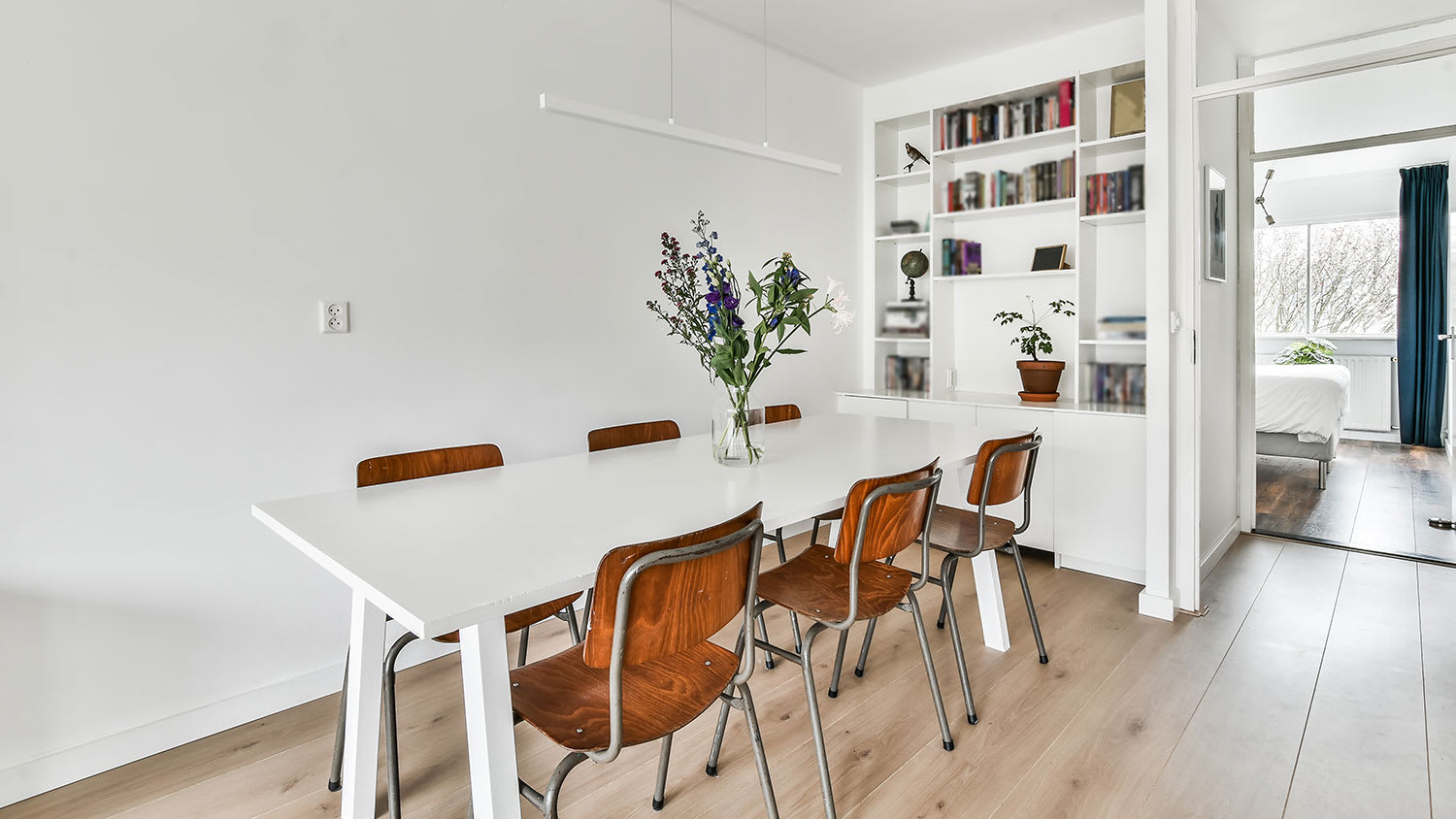
While fumigation chemicals cannot pass through solid objects, they will seep into any openings in walls, doors, or other closed spaces. This allows them to get into tight places where pests may be hiding and causing damage, like termites ruining the foundation of your home. It also means that your home needs to ventilate for 48 hours before returning to ensure that no harmful chemicals remain in your space.
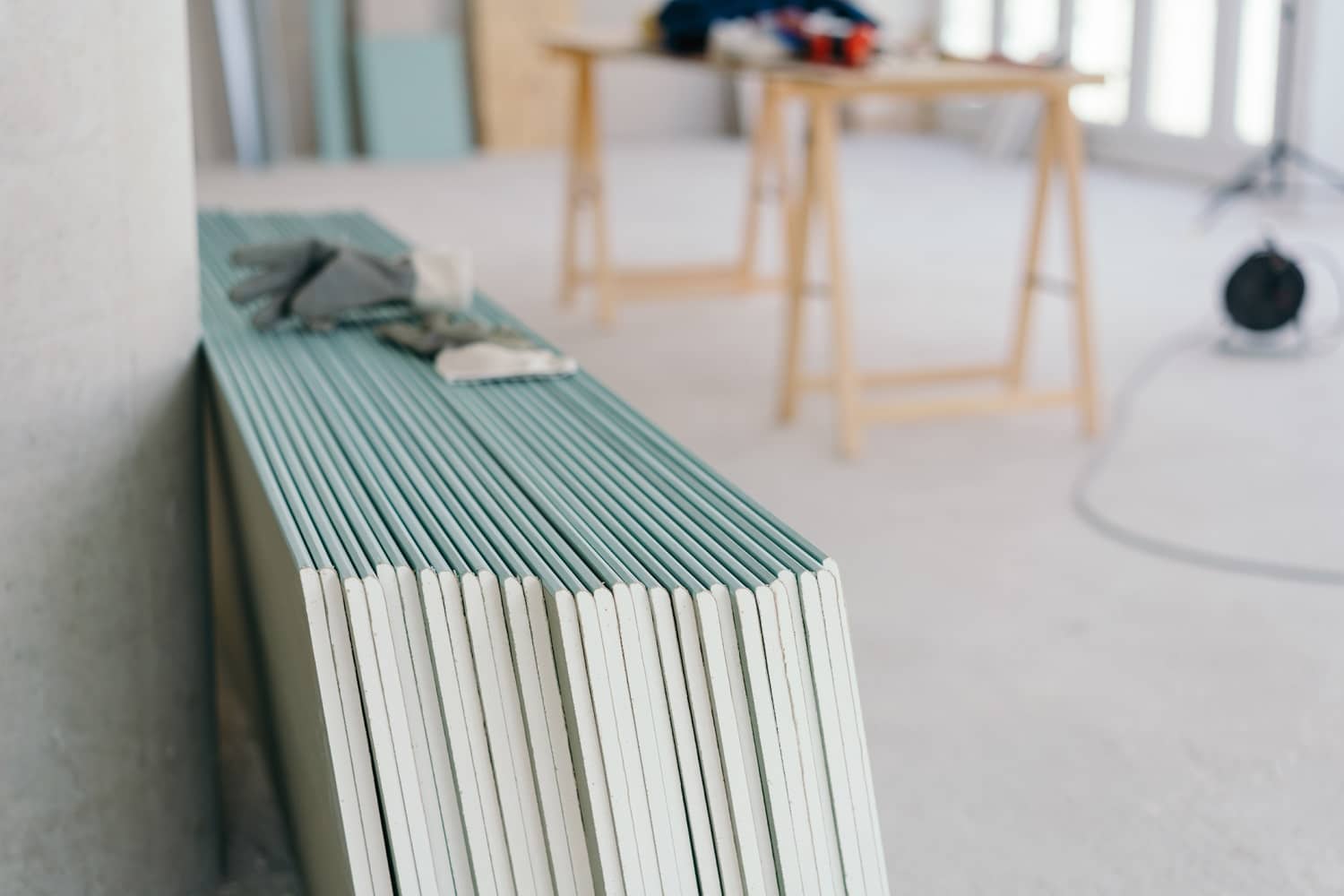
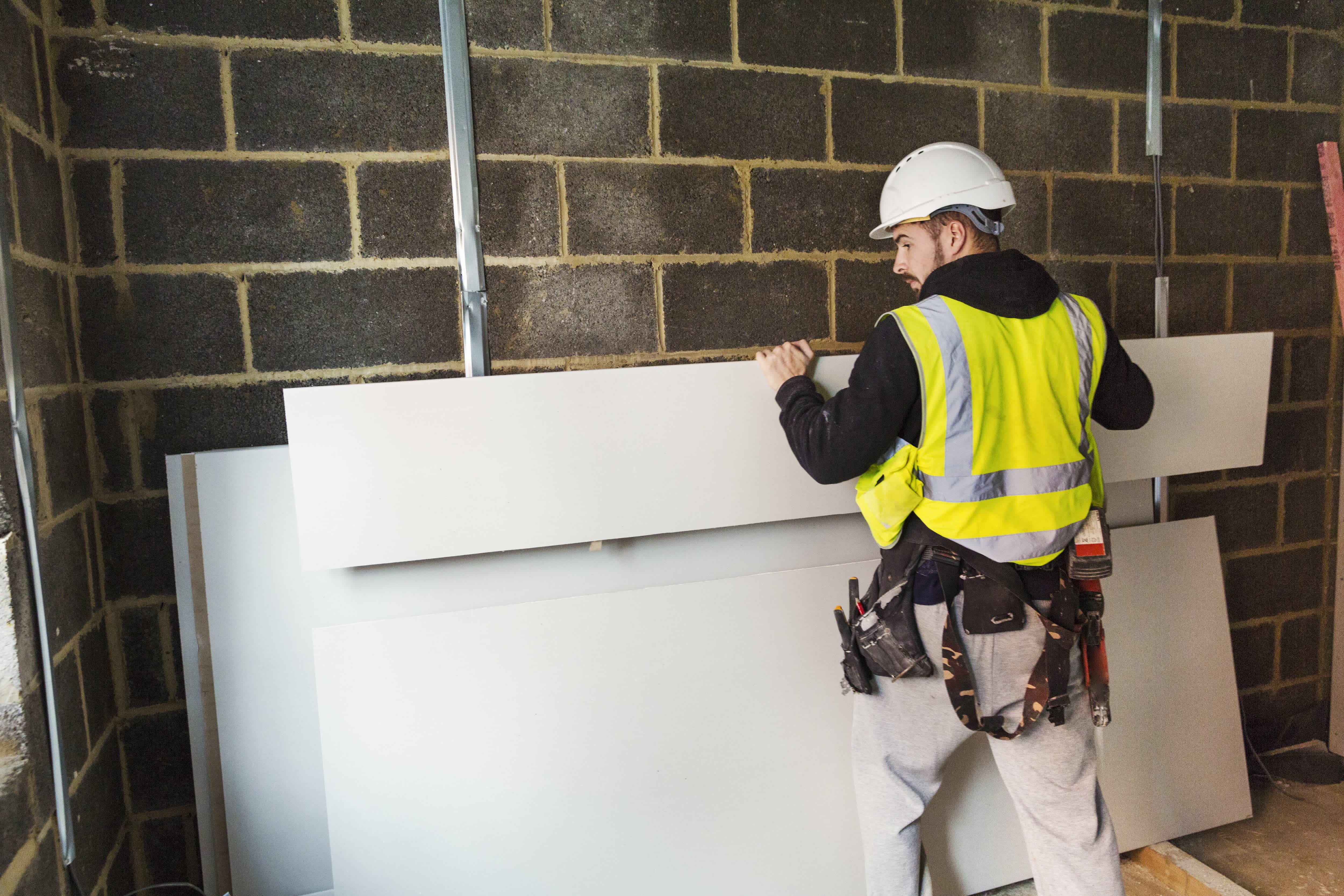
Plaster is a pretty tough surface, but it can still sustain damage from things like bumping against it, water issues, dampness, extreme humidity changes, and plain old age. Most plaster walls last hundreds of years and will only be taken down to the base layer when major repairs are required. Being cautious around the wall, not placing furniture against it, and ensuring stable humidity are all great ways to reduce possible damage.
Drying alone can take 1 to 4 hours to dry to the touch per plaster layer, but some types of plaster take several hours longer to dry. However, this doesn’t mean the job is done because plaster doesn’t fully harden until it cures, which can take a few days to a couple of weeks. It may take even longer if you’re building a new, pretty thick plaster wall. Allow the plaster to cure before painting it.
The Jamestown, CA homeowners’ guide to drywall services
From average costs to expert advice, get all the answers you need to get your job done.
Drywall texture can create an attractive finish and add dimension to your home’s walls. This guide breaks down the factors that influence the cost to texture drywall.
Installing drywall is the most common way to finish your home’s interior. Use this drywall installation cost guide to see what your project is likely to cost.
While both Type C vs Type X drywall are fire resistant—the two should not be used interchangeably. Use this guide to help you choose the drywall for your next project.
The terms drywall and Sheetrock are often used interchangeably, but one is a brand and one is a specific product. Find out which one you need in this guide.
Can you put drywall over drywall to cover old, damaged or cracked plaster walls? Read our guide to determine if this is the right solution for your walls.