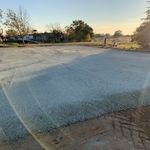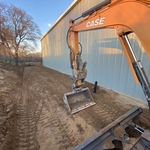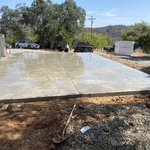

Top-rated excavation pros.

Get matched with top excavation pros in Jamestown, CA

Enter your zip and get matched with up to 5 pros

Need a pro for your excavation project in Jamestown, CA?

Select your specific project to find the pro for you.

Find Excavation pros in Jamestown

Avatar for Ultimate Concrete
Ultimate Concrete
4.6(
55
)
Building Site - Preparation and ClearingBuilding Site - Preparation and Clearing - For BusinessExcavation - Major Grading or Resloping+2 more

Serving Jamestown, CA and surrounding areas

In business since 2007

Free estimates

Emergency services offered

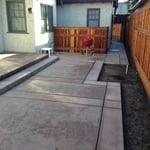
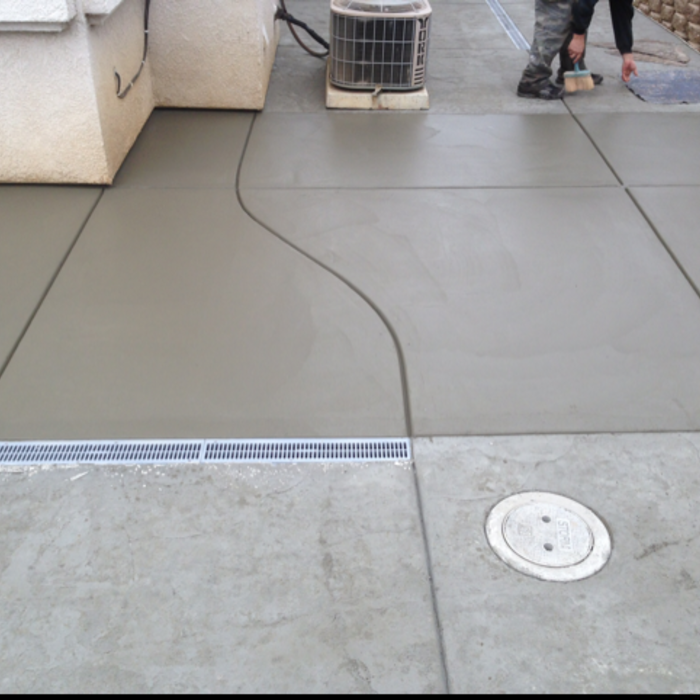
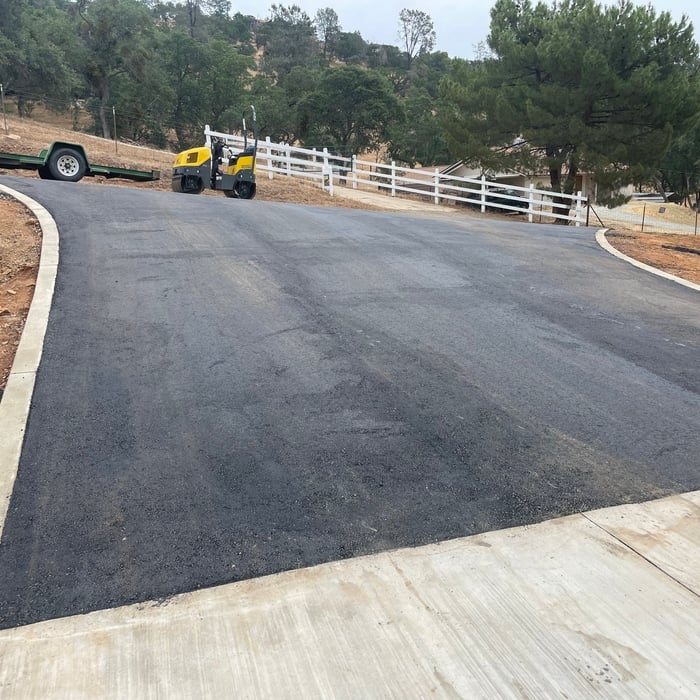
"Dan came out right away and gave an estimate on replacing our 2 car driveway. We decided to expand the side yard to make a 4 car driveway, and he accommodated the day of the start of work. Gave us an awesome price! He and his son were here 3 days, and finished everything. They are clean, professional and friendly. I would recommend Ultimate Concrete to anyone! They do other types of work as well. Thank you Dan!"
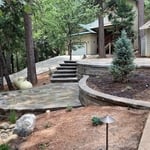
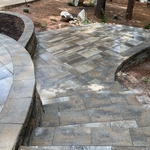
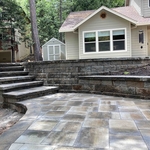
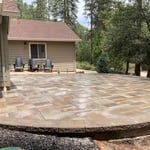
Additional Photos
Additional Photos
Additional Photos
Additional Photos
Additional Photos

+5

Recommended by100%of homeowners
Rene Cano
New to Angi
Building Site - Preparation and ClearingExcavation - Major Grading or ReslopingLandscape - Minor Grading or Resloping

Serving Jamestown, CA and surrounding areas

In business since 2020

Free estimates

Credit card accepted

With years of experience in the construction industry, we are the experts you need to take care of your home or business. We handle all of your excavation and septic needs with great care. We will treat your home as we would treat our own. Give Rene Cano a call today, we look forward to working with you!

Showing 1-10 of 20
Excavating questions, answered by experts

You should dig 3 to 6 inches deep for plastic edging. Dig as wide as you need to fit your plastic edging into it—2 inches is usually sufficient.

Because decomposed granite is a durable material, a crushed rock or gravel base is optional as long as the DG is properly installed and compacted. However, installing a base is a good idea because it will ensure proper drainage and stability and act as a weed suppressant (although you may still occasionally have to pull weeds). Installing an adequate base can also increase the durability of driveways and walkways. If you forego the paver base or gravel underneath, line the area with landscaping fabric to avoid weeds.

A trench that is less than 5 feet deep often doesn't require a protective system. Most residential trenches will not go this deep (the typical residential drainage trench is just 18 inches deep). In the event that an excavator needs to dig more than 5 feet beneath the surface, a protective system is required unless the excavation is in entirely stable rock.

The cost to drill a well varies, with a national average of around $5,500 for a 150-foot well. However, prices can fluctuate significantly based on several factors, including your location, the required well depth, geological conditions, local regulations, and the specific drilling methods used. For the most accurate cost assessment, it is best to research and get quotes from local well-drilling professionals in your area.

The best type of soil to build on is a mixture of sand and clay, known as loam soil. Loam soil has the best combination of these soil types to build a foundation on. The clay particles help with water retention, so it won’t erode like sandy soil might, and the sandy particles help with drainage, so you won’t see unsafe soil expansion or have an increased risk of leaks from water sitting against your foundation.

The Jamestown, CA homeowners’ guide to excavation services

From average costs to expert advice, get all the answers you need to get your job done.