



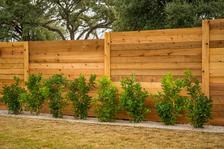

Top-rated animal fencing pros.

Best animal fencing pros near Fowler, CA

Enter your zip and get matched with up to 5 pros

Need a pro for your animal fencing service project in Fowler, CA?

Select your specific project to find the pro for you.

Top-Rated Animal fencing pros in Fowler - Updated Nov 2026

Animal Fencing FAQs, answered by experts

The nine-banded armadillo is common in Texas, Louisiana, Florida, and Mississippi. Their range has expanded over the years, and they now live as far north as Missouri, Kansas, and even southern parts of Nebraska. 

Identifying the specific animal running on your roof at night can be challenging without direct observation. Common nocturnal roof visitors include raccoons, squirrels, opossums, and rats. Raccoons are bigger and can create heavy thumping sounds. Squirrels are agile and may produce rapid scurrying noises. Opossums tend to move stealthily with less noise. Rats can make scratching or gnawing sounds. To determine the culprit, look for signs like footprints, droppings, or damaged areas near the roof. For accurate identification, consult a pest control professional or set up wildlife cameras near potential entry points.

Luckily, skunks aren’t challenging to get rid of. You can try to remove them slowly by filling their den entryway loosely with newspaper. Many skunks notice their den is in jeopardy and take off on their own. You can also try making a homemade spray of jalapeno pepper, yellow onion, and cayenne pepper—believe it or not, skunks are sensitive to these smells, so if you spray this around the den or in hard-to-reach places around your property, most skunks will take the hint and leave. 

If squirrels set up a home in your attic, they can cause considerable damage. It’s not uncommon for them to chew holes in your roof, siding, or joists, and they can eat through electrical wiring. They might also travel to other parts of your home or into your wall cavities. Not to mention all that bacteria-filled feces and urine they spread around. 

Groundhogs are most active during the warmer months, from spring through fall. On a daily basis, they exhibit peak activity in the early morning (dawn) and late afternoon (dusk), which are their primary feeding times. They tend to stay in their cool burrows during the hottest, sunniest parts of the day. Groundhogs hibernate during the winter, typically retreating to their dens from October or November until mid to late February.

The Fowler, CA homeowners’ guide to animal fencing services

From average costs to expert advice, get all the answers you need to get your job done.