




Top-rated animal fencing pros.

Best animal fencing pros near Cutler, CA

Enter your zip and get matched with up to 5 pros

Need a pro for your animal fencing service project in Cutler, CA?

Select your specific project to find the pro for you.

Top-Rated Animal fencing pros in Cutler - Updated Nov 2026

Premier Fencing
4.0(
8
)
Electronic Pet Fence - InstallElectronic Pet Fence - Repair or Adjust

Serving Cutler, CA and surrounding areas

In business since 2020

Free estimates

Warranties offered

"I requested estimates from fencing contractors through Angi. Within hours Premier Fencing Co. called and setup an appointment to give me an estimate to replace my aging, dilapidated fence. The owner, Brian Koehn came up with a bid that was within our budget. The project was not an easy one. Posts had to be set adjacent to a bamboo stand and mature trees with large roots. Pipes used to reinforce existing rotted fence posts were difficult to remove. The finished project was exactly what I had envisioned. Top notch workman. Enjoyed the process. Would highly recommend this company for your fencing needs."

Additional Photos
Additional Photos
Additional Photos
Additional Photos
Additional Photos

+1

Response time1 day
Recommended by85%of homeowners

Animal Fencing FAQs, answered by experts

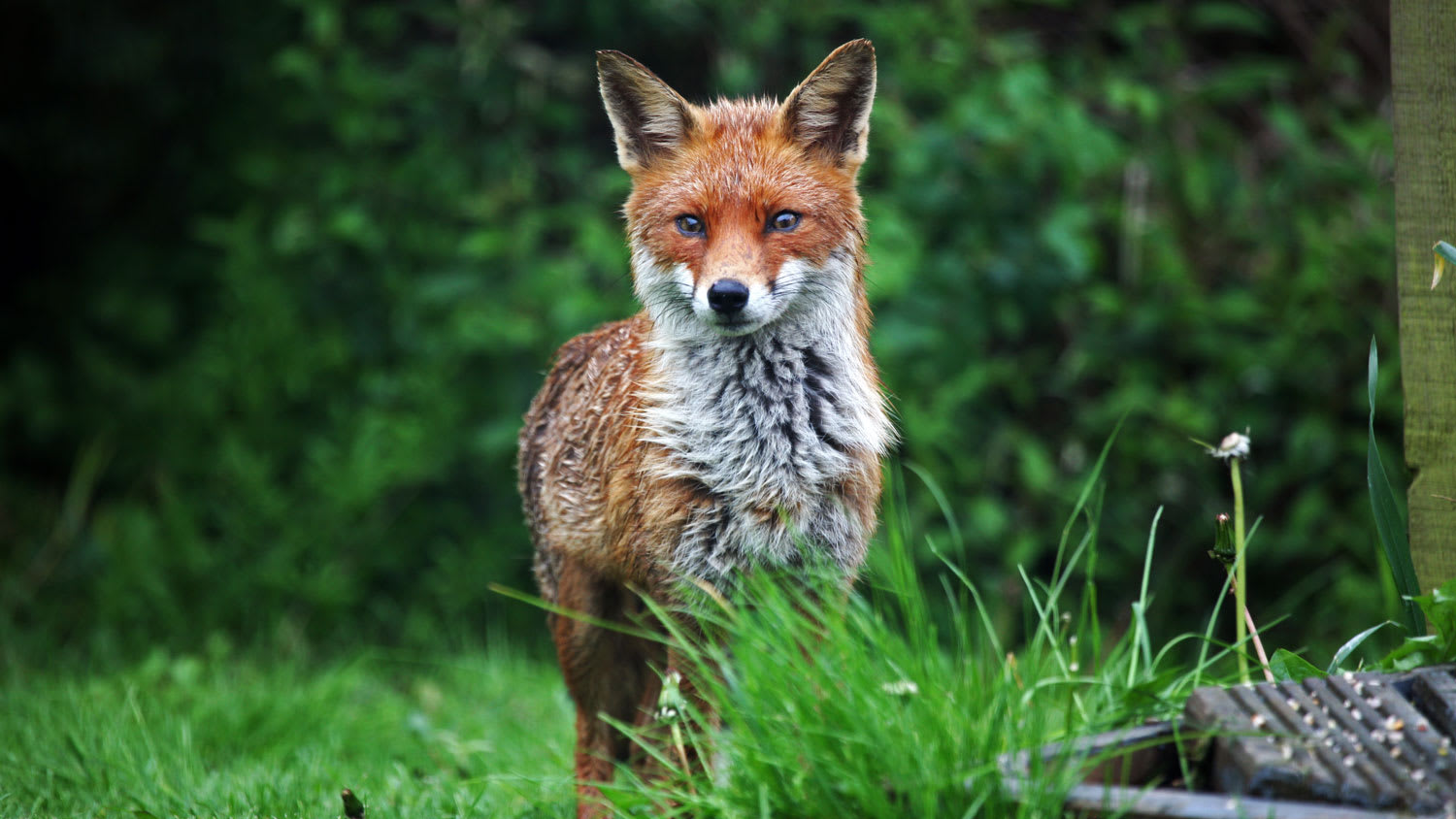
Unless foxes are a major threat or nuisance, living peacefully alongside them is often better. Reclusive foxes are rarely a risk to humans, and they can help keep rodent populations at bay and boost biodiversity in your yard. Plus, if you are a wildlife lover, there is the simple privilege and pleasure of watching a fox family interact right on your doorstep.

Armadillos are most active during cooler hours to avoid extreme temperatures, particularly the daytime heat in the warm climates where they live. This activity pattern helps them reduce the risk of overheating and dehydration. They are generally active from late at night to early morning, often between 2 a.m. and 5 a.m., but can also be seen around dawn and dusk. An exception to this is during mating season (June-July in the northern hemisphere, November-December in the southern hemisphere), when male armadillos may be more active than usual.

It can be difficult to know what type of animal is in your attic until you see it. But several clues can help you narrow down the suspects:

  • Sounds: Smaller animals like rats and mice make scurrying and tapping/gnawing sounds. Larger animals like raccoons and opossums make louder clambering noises. Also, note when animals are noisy: Squirrels are active during the day, while rats are busiest at night.

  • Droppings: Rats and mice leave small, rice-shaped droppings (the rat’s version is significantly larger). Bigger droppings belong to larger critters like raccoons. As long as you’re not squeamish, an image search can help you identify what you’re seeing in your attic.

When in doubt, take photos of damage or other evidence and show them to an experienced pest control pro.

Rocks are less likely to attract snakes and other critters because their prey (termites, ticks, and other insects) don’t usually inhabit this environment. However, if you have placed together rocks with large spaces in between or near a source of water, you may find a snake or an occasional chipmunk seeking shelter.

Although it would make things easier for you, animals won’t likely leave the attic on their own. Unless the animal finds seasonal respite in your attic, it’s likely to stay in a protected space as long as it is allowed. Get rid of animals in your attic by calling the appropriate wildlife removal professionals so they can safely and efficiently remove the critters from your home, being careful to avoid further damage to your home.

The Cutler, CA homeowners’ guide to animal fencing services

From average costs to expert advice, get all the answers you need to get your job done.