




Top-rated animal fencing pros.

Get matched with top animal fencing pros in Selma, CA

Enter your zip and get matched with up to 5 pros

Need a pro for your animal fencing service project in Selma, CA?

Select your specific project to find the pro for you.

Find Animal fencing pros in Selma

Animal Fencing questions, answered by experts

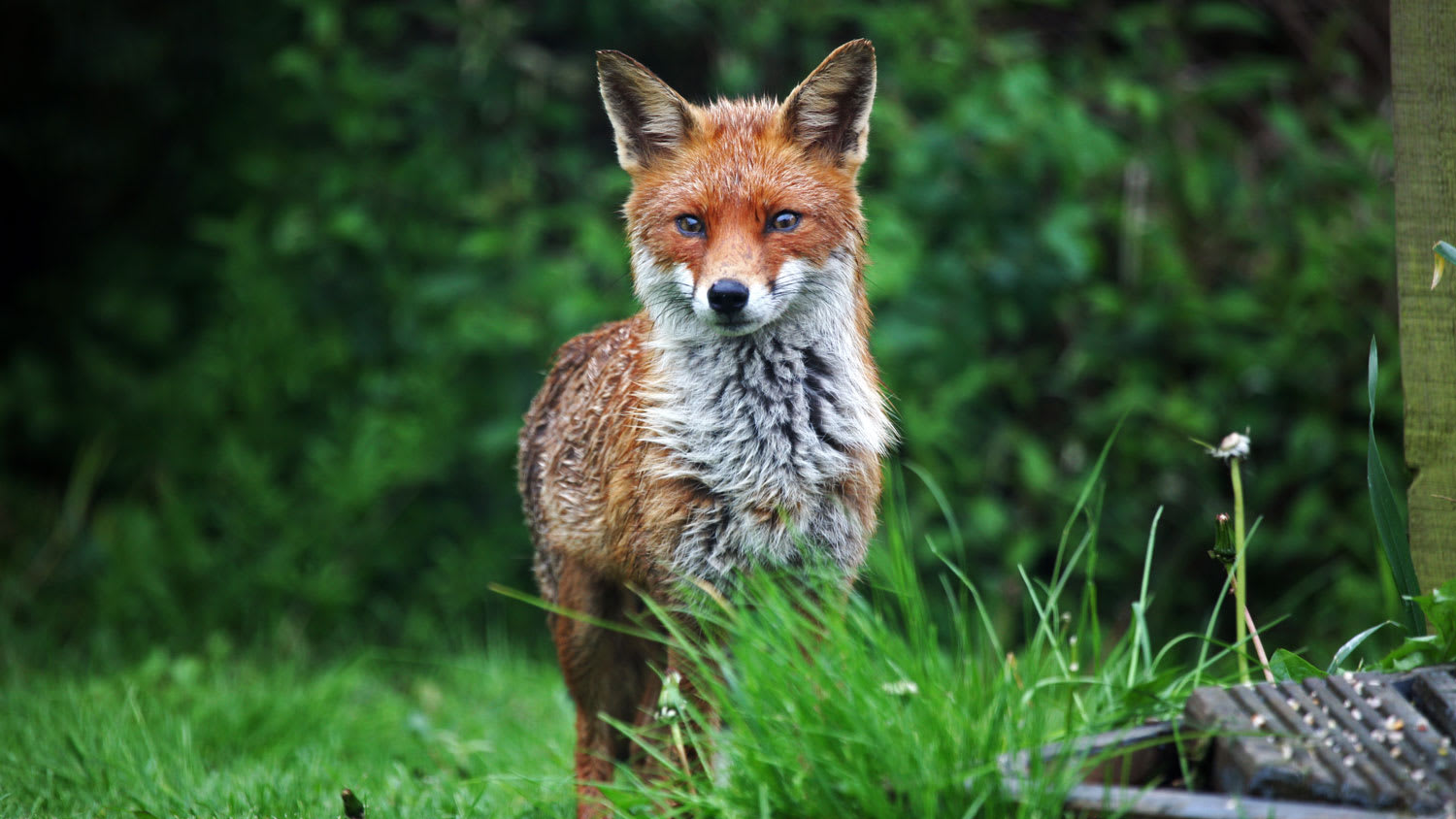
Hazing is an effective strategy for keeping foxes away from your yard because these wild animals are usually scared of people, loud noises, and sudden movements. If you have a large dog patrolling the yard, that’s also usually a powerful deterrent for foxes. You can also use hazing to keep badgers away from your yard, along with pests like raccoons and coyotes.

Some suggest mothballs as a deterrent for iguanas, but they are ineffective and harmful. Mothballs contain chemicals like naphthalene or paradichlorobenzene, which are toxic to humans and animals, including iguanas. The fumes can cause respiratory problems, skin irritation, and other health issues. Moreover, using mothballs outdoors is not recommended, as they contaminate soil and water sources.

Once the animals and their young are out of the house, remove the nest and locate any entry points. Some may be difficult to find because some animals can fit through very small holes. Once you’ve located as many entry points as possible, use materials such as metal or masonry to block off the entry. Ideally, you should choose materials that most animals cannot chew through. Create a one-way door or flap to allow animals to leave but not return. Additional methods include using repellants designed to make an area unappealing to the types of animals that find your home so inviting. 

When relocating, release a groundhog at least 5 miles from the capture site. This distance helps ensure that the groundhog does not return to your property. Make sure to relocate it to a suitable habitat, such as a wooded area or a place with plenty of ground cover, to increase its chances of survival without disrupting existing wildlife. Additionally, always check local regulations, as relocating wildlife may be restricted or require a permit in some areas.

Bears are most active at dawn and dusk. They can be active at any point during the day, but the hours after sunset and before sunrise are their primary feeding times. As far as time of year goes, bears are generally active from April to November and hibernate throughout the winter and early spring. Bears are more likely to be aggressive in the spring right after hibernation but more likely to be seen in the fall because they are preparing for hibernation.

The Selma, CA homeowners’ guide to animal fencing services

From average costs to expert advice, get all the answers you need to get your job done.