




Top-rated lawn irrigation specialists.

Get matched with top lawn irrigation specialists in Dinuba, CA

Enter your zip and get matched with up to 5 pros

TRUSTED BY DINUBA, CA HOMEOWNERS

  • Average homeowner rating star icon4.4
    Average homeowner rating
  • Verified reviews icon16
    Verified lawn irrigation services reviews

Find Lawn irrigation specialists in Dinuba

Avatar for Superior ArborWorks, Inc.
Superior ArborWorks, Inc.
4.7(
14
)
Lawn and Garden Sprinkler System - RepairSprinkler System for Lawn and Garden - Winterize or Activate

Serving Dinuba, CA and surrounding areas

Approved

In business since 2024

Free estimates

Credit card accepted

"Excellent work! We had a large, mature tree that needed some serious trimming, and they did a fantastic job. They were careful with the tree, cleaned everything up afterward, and made sure it looked healthy and balanced rather than just hacking branches off. 🌳 They’ve also taken great care of our yard, and I really appreciate having someone dependable who takes pride in their work. Fair, hardworking, knowledgeable, and reliable. I would absolutely recommend them for landscaping and tree trimming."
6 neighbors recently requested a quote
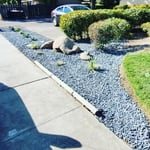
Nice Image Landscaping Inc
5.0(
2
)
Lawn and Garden Sprinkler System - Repair

Serving Dinuba, CA and surrounding areas

Approved

In business since 1995

Free estimates

Offers commercial services

We take great pride in our experience, expertise, quality, and customer service that we provide to meet the consumer's needs. It is our mission to provide excellent workmanship and complete customer satisfaction from start to completion of a project. In order to understand the needs and expectations of our customers, we take great care to work and communicate with every customer in a professional manner. Our reputation is based on service, safety, and quality, regardless of how large or small the job.

35 neighbors recently requested a quote
...
Showing 1-10 of 88
Lawn Irrigation questions, answered by experts

Lawn care is tough work—even when you hire pros, there’s no guarantee your grass won’t die (unless, of course, your company offers a guarantee). But lawn care companies don’t control the rain or watering restrictions. Your type of grass also impacts the type of care required to keep a lush lawn—and how much that care costs. Talk to a lawn care pro to determine the best times to treat your lawn based on type of grass and your climate.

The best time to plant grass seed depends on your local climate and whether you have cool-season or warm-season grass.

For cool-season grasses (like tall fescue), the ideal time to seed is late summer or early fall (typically August and September). During this period, the soil is still warm from the summer, but the air is cooler, creating optimal conditions for germination and root establishment before winter. There is also less competition from weeds. Spring is a secondary option, but cooler soil temperatures, the risk of a late frost, and less time for the grass to mature before summer heat can make it less successful.

For warm-season grasses (like St. Augustine), the best time to plant is from late spring through mid-summer (typically May and June), when temperatures are consistently between 75 and 90 degrees Fahrenheit.

In general, it is best to avoid seeding during winter or early spring, as cold soil and air can prevent seeds from germinating. For recommendations tailored to your specific grass type and climate, consider consulting a local lawn care professional.

Technically no, but they can look very similar and people often refer to the weedy grasses interchangeably. However, several differences keep these species separate. Crabgrass is often a darker color than carpetgrass and tends to sprout much earlier in spring. When allowed to grow out, crabgrass grows stems outward from the center of a stalk in a star-like pattern, which carpetgrass does not have.

Provided you're using an appropriate starter fertilizer for grass seed, you can put down seeds and fertilizer at the same time. However, putting them down separately, one after the other, on the same day will help to avoid over- or under-applying the lawn food. Avoid using a fertilizer with weed control elements, as these will likely keep the grass seeds from starting.  

Too much clover in your lawn can indicate several issues with your soil. Clover can thrive in soils with abnormally high pH, low-cut grass, and low nitrogen. Amending these issues can push clover out for good.

Hardy perennial clover loves the low nitrogen and compact conditions that often come with poor, infertile soils. But other factors also contribute to a clover explosion, including drought conditions, cool temperatures, under fertilization, and over-irrigation. You’ll need to evaluate all these elements when planning to kill off the clover.

The Dinuba, CA homeowners’ guide to lawn irrigation services

From average costs to expert advice, get all the answers you need to get your job done.