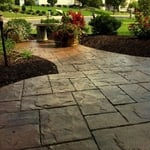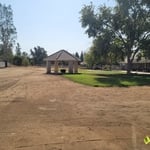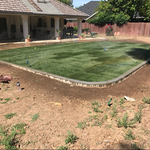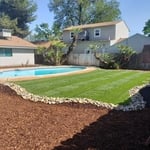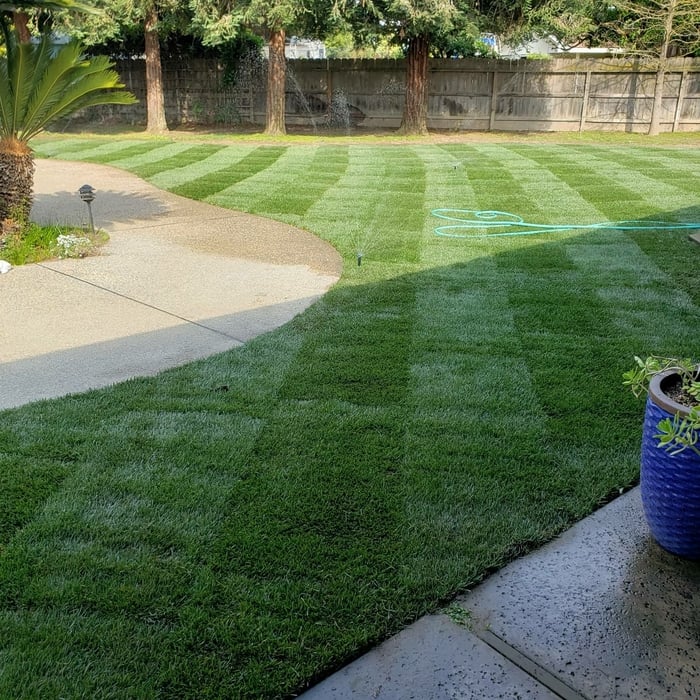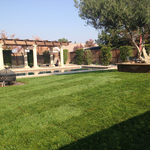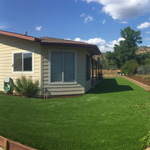



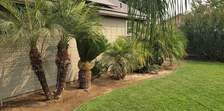
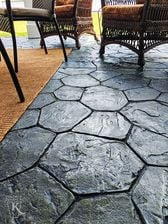
"I hired this company to design my backyard landscape and they did a fantastic job. The designer was creative and came up with a beautiful plan that incorporated all of my ideas. The installation process was seamless and the team was professional and efficient. I now have a backyard that I can be proud of and enjoy all year round. I highly recommend this company for anyone looking to enhance their outdoor space."
"Very smooth process, best company in the central valley. Victor got me a free estimate for my driveway addition and was very professional with his work. Really satified with the results."
"Jose and his crew were awesome from start to finish. Very competitive pricing and worked with us on a few things they didn’t have to do. Set post mounts for me in the concrete when they poured. If we have any other concrete we need we will only call them. We have already referred them to family."
The dimensions of a driveway apron vary based on local building codes, the width of your driveway, and the distance between the driveway and the road. On average, aprons range from 12 to 24 feet wide and 8 to 18 feet long. Typically, the end of the apron connected to the driveway matches its width—such as 10 to 12 feet for a single-car driveway—while the end at the street flares out to allow cars to turn in and out more easily. In some areas, you may not be responsible for the portion of the apron that extends beyond the sidewalk, but this depends on local laws.
The average cost of 1,500 square feet of asphalt ranges from about $10,500 to $22,500, depending on location, thickness, base material, and how accessible the job site is to crews and equipment. Keep in mind that your asphalt material cost may vary depending on its type, ranging from porous asphalt to heated blacktop. Standard asphalt costs $7 to $13 per square foot.
Costs range from $3 to $7 per square foot, depending on the area size and project scope.
You can expect your asphalt pavement to last anywhere from 20 to 30 years, or 25 years on average. The life expectancy of your asphalt driveway depends on the climate, the amount of traffic, and how well you maintain it. While you can’t necessarily control some of these factors, you can control the amount of maintenance effort you put into your driveway.
To prevent your asphalt from deteriorating prematurely, you should follow a good maintenance routine involving regular cleaning, reparation work, and resealing.
The material that’s best for your private road depends on your property, the climate in your area, and your personal preferences. Gravel is an affordable option, but some homeowners don’t like how it looks. It can be a pain to remove snow from, and it requires more ongoing maintenance than asphalt or concrete. However, while these other options require less maintenance and make snow removal a breeze, they’re more expensive and will need repairs from time to time. Ultimately, you’ll have to choose the road material that suits you and your property best.
The Dinuba, CA homeowners’ guide to asphalt driveway services
From average costs to expert advice, get all the answers you need to get your job done.
Adding a new asphalt driveway to your home can boost its overall appearance and give homeowners a nice ROI down the line. But how long do asphalt driveways last, and what can you do to maximize their lifespans? Read this guide to find out.