





Top-rated radon detection and reduction specialists.

Get matched with top radon detection and reduction specialists in Chula Vista, CA

Enter your zip and get matched with up to 5 pros

Need a pro for your radon detection and reduction project in Chula Vista, CA?

Select your specific project to find the pro for you.

Find Radon detection and reduction specialists in Chula Vista

Avatar for KCS Restorations Inc
KCS Restorations Inc
4.7(
33
)
Radon Gas - Testing

Serving Chula Vista, CA and surrounding areas

In business since 2004

Free estimates

"The work that Dave’s company performed was great with the exception of the living room, that ended up being mid-matched. Dave’s crew let me know that because of this they would paint the whole living room. They asked me to call and set up an appointment and I did. The day came and nobody showed up. I called Denise and she stated her crew called in sick and they were leaving town the next day. She would have Dave call me. He didn’t, so I txt him the following week and he called and said it would be more money, which it shouldn’t as I was previously told they mid-matched it so they would make it right. He was supposed to call later in the week and never did. I find though everyone was nice, the professionalism was lacking. I would not use again because of this."
Recommended by96%of homeowners
Radon Detection and Reduction questions, answered by experts

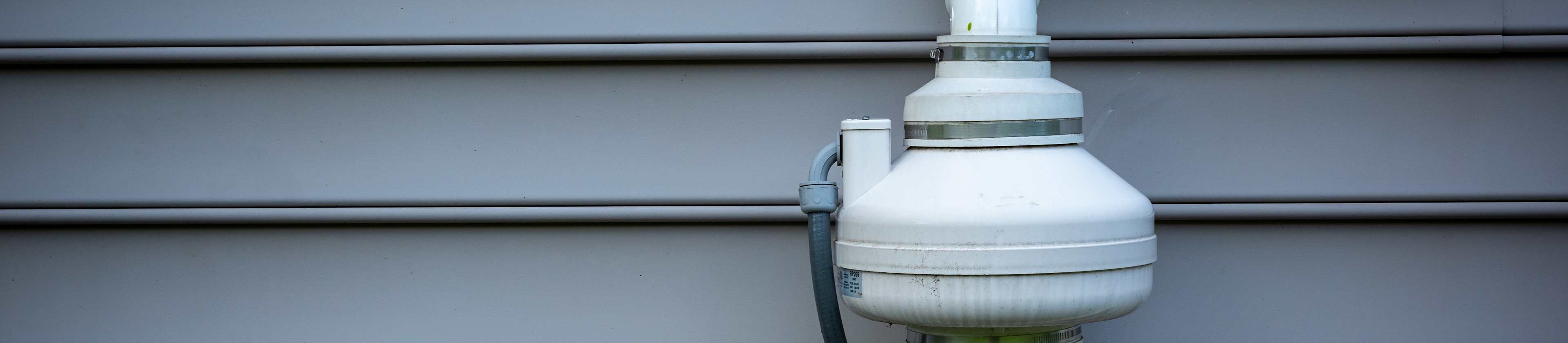
Your radon mitigation system may be loud because it’s time to replace it. Any sounds are usually from the inline fan that helps create the vacuum and resulting airflow. If you hear a new, loud mechanical or humming noise from your radon fan, it might be time to replace it. Most fans used in radon mitigation systems last up to 10 years, but may need to be replaced sooner.

The fan that pulls the radon out of the air needs to run continuously, so you may see an increase in your electric bill once you install the mitigation system. Additionally, you may see an increase in your heating or cooling bills, as the fan can cause some loss of hot or cool air.

No level of radon is technically safe, but since it is naturally present everywhere, it is impossible to avoid entirely. The average radon level in homes across the United States is 1.3 picocuries per liter (pCi/L). The Environmental Protection Agency (EPA) recommends taking action to reduce radon levels if your home's test results are between 2 and 4 pCi/L or higher.

You'll need to test your home for radon after installing the mitigation system, then again every two years. If radon remains elevated, contact a licensed radon professional, either the contractor who installed the system or a different one, and have them evaluate the system. They may need to make some changes to improve its effectiveness and performance.

Yes, many systems include warranties for performance. Confirm terms with your installer.

The Chula Vista, CA homeowners’ guide to radon detection and reduction services

From average costs to expert advice, get all the answers you need to get your job done.