



Top-rated animal fencing pros.

Get matched with top animal fencing pros in Chico, CA

Enter your zip and get matched with up to 5 pros

Need a pro for your animal fencing service project in Chico, CA?

Select your specific project to find the pro for you.

Find Animal fencing pros in Chico

Avatar for No More Escapes Fencing
No More Escapes Fencing
4.8(
4
)
Electronic Pet Fence - InstallElectronic Pet Fence - Repair or Adjust

Serving Chico, CA and surrounding areas

Free estimates

Emergency services offered

Credit card accepted

"I’m thrilled with the work done by Trevor, the rebuilt fence is beautiful and sturdy and looks brand new! Trevor made this process very easy for me and I’m delighted with the results and the installation was top notch! Trevor has a great eye for detail, design and implementation. I’d definitely recommend Trevor for any work, and I will be reaching out to him for my next project."
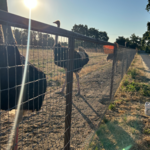
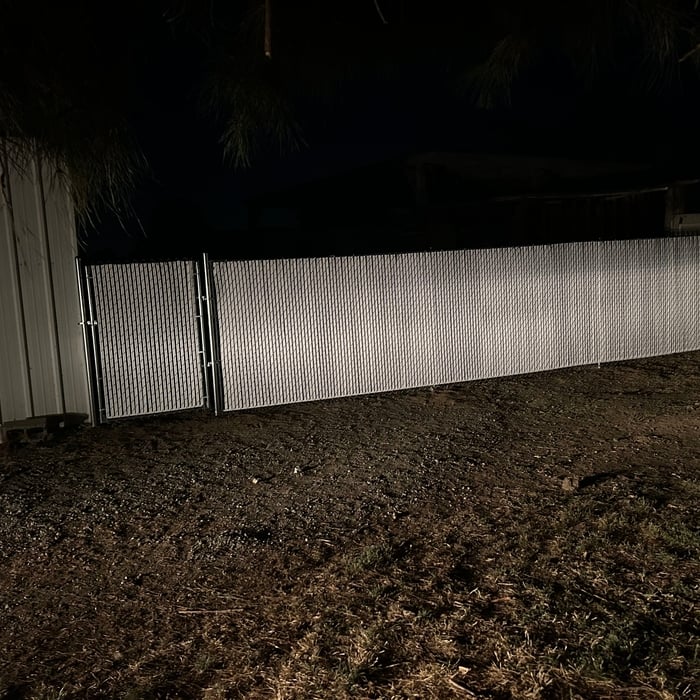
Ostrich behind top-rail pipe fencing with non climb stretched wire
Decks & Porches Project
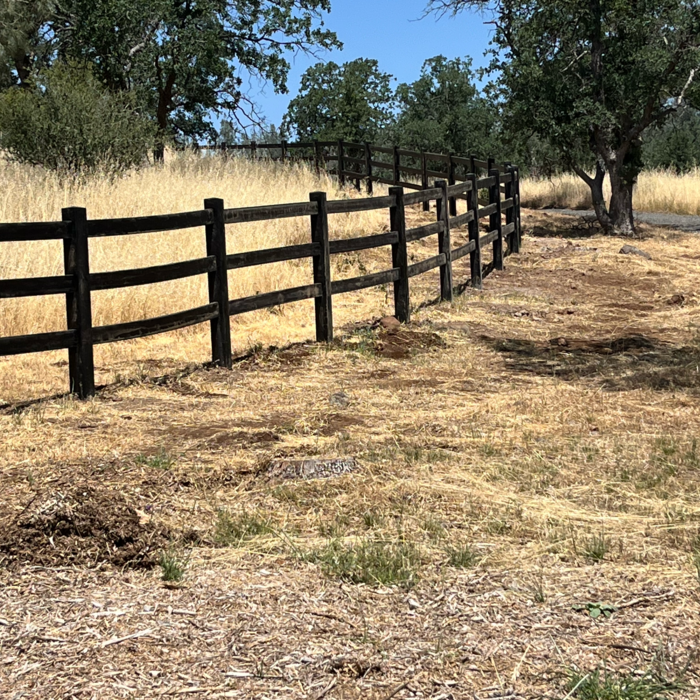
Fencing Project
Fencing Project

+34

Recommended by100%of homeowners
Animal Fencing questions, answered by experts

It can be difficult to know what type of animal is in your attic until you see it. But several clues can help you narrow down the suspects:

  • Sounds: Smaller animals like rats and mice make scurrying and tapping/gnawing sounds. Larger animals like raccoons and opossums make louder clambering noises. Also, note when animals are noisy: Squirrels are active during the day, while rats are busiest at night.

  • Droppings: Rats and mice leave small, rice-shaped droppings (the rat’s version is significantly larger). Bigger droppings belong to larger critters like raccoons. As long as you’re not squeamish, an image search can help you identify what you’re seeing in your attic.

When in doubt, take photos of damage or other evidence and show them to an experienced pest control pro.

Scent deterrents like ammonia, vinegar, mothballs, and pepper can help keep coyotes away, but these are best used in tandem with other preventative measures. Remember that ammonia and vinegar can kill your plants and/or grass, so it’s best to soak rags in these substances or spray them on hardscaped areas to avoid damaging your landscape.

You can often spot a venomous snake by looking for a few key physical characteristics. Venomous snakes typically have bulbous triangular-shaped heads due to their venomous sacks, whereas regular snake heads are more rounded and narrow. A venomous snake will also have narrow slits for pupils, while non-venomous snakes have more rounded pupils. It’s a good idea to familiarize yourself with the venomous snakes that are native to your area, but if you find a snake in your toilet, it’s best to keep a safe distance and call a professional for proper identification and removal.

The time of day that most snakes are active is at night. This is when they prefer to hunt since they can do so under the cover of darkness, out of sight of predators and the prey they stalk. However, some snake species prefer very hot temperatures and are strictly active during the day.

Armadillos have very strong smelling capabilities to track down insects efficiently. But this superpower is actually a double-edged sword because their extreme sense of smell also causes them to be more sensitive and deterred by strong odors. To keep them at bay, you can place small amounts of substances like vinegar, ammonia, and mothballs around your property and near armadillo hotspots.

Although you can technically flood an armadillo out of its hole, it’s important to remember that this can be potentially fatal to the animal. Armadillos sleep between 16 and 18 hours a day, and if you perform this technique while they’re deep in sleep, they may not awake soon enough to save themselves.

The Chico, CA homeowners’ guide to animal fencing services

From average costs to expert advice, get all the answers you need to get your job done.