


Top-rated animal fencing pros.

Get matched with top animal fencing pros in Gerber, CA

Enter your zip and get matched with up to 5 pros

Need a pro for your animal fencing service project in Gerber, CA?

Select your specific project to find the pro for you.

Find Animal fencing pros in Gerber

Avatar for No More Escapes Fencing
No More Escapes Fencing
4.8(
4
)
Electronic Pet Fence - InstallElectronic Pet Fence - Repair or Adjust

Serving Gerber, CA and surrounding areas

Free estimates

Emergency services offered

Credit card accepted

"I’m thrilled with the work done by Trevor, the rebuilt fence is beautiful and sturdy and looks brand new! Trevor made this process very easy for me and I’m delighted with the results and the installation was top notch! Trevor has a great eye for detail, design and implementation. I’d definitely recommend Trevor for any work, and I will be reaching out to him for my next project."
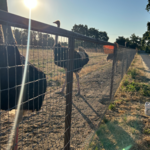
Ostrich behind top-rail pipe fencing with non climb stretched wire
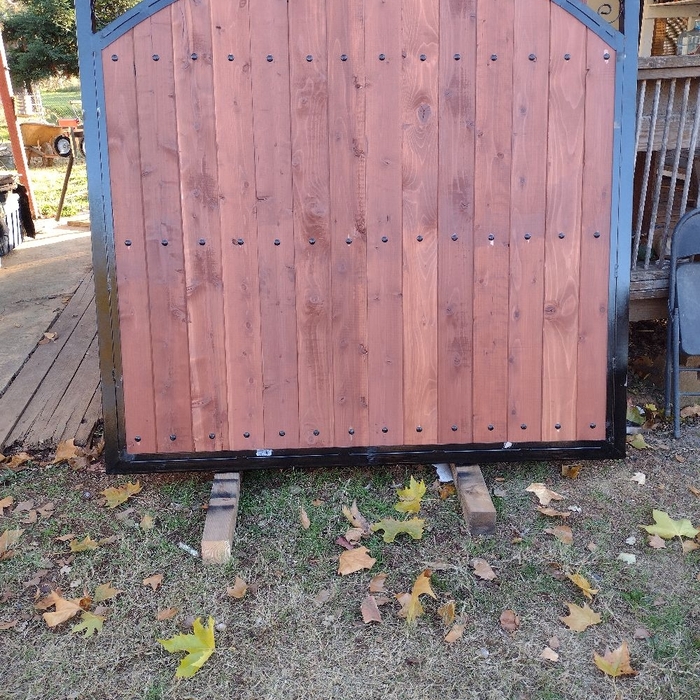
Decks & Porches Project
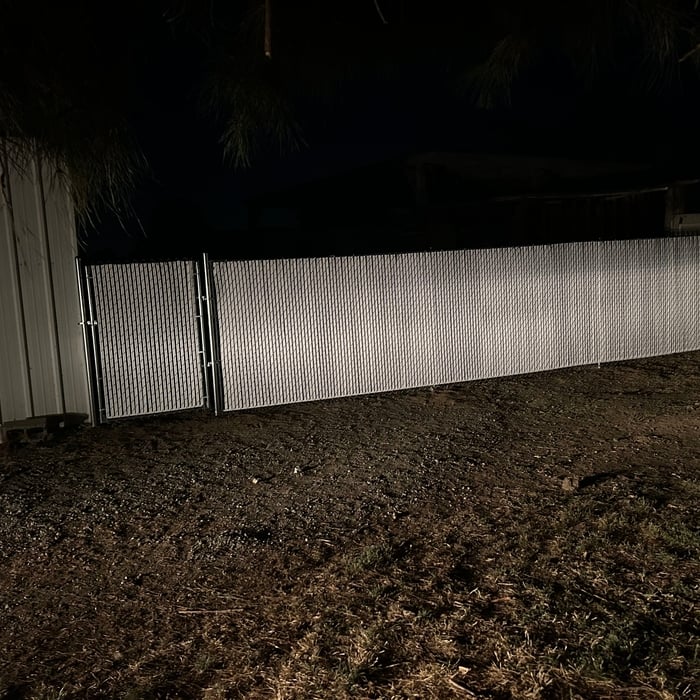
Fencing Project
Fencing Project

+34

Recommended by100%of homeowners

Animal Fencing questions, answered by experts

Although raccoons aren’t particularly picky regarding food, certain sounds, metals, and smells bother them. You can place these items around your home to keep raccoons away:

  • Place wire mesh screens around and underneath decks and porches to prevent raccoons from nesting. 

  • Put metal sheeting around the edges of your roof or at the base of trees to deter raccoons from coming close. 

  • Place a loud battery-operated radio near the raccoon’s den to keep them from nesting.

  • Keep a bowl of cider vinegar on your deck or porch.

  • Remove old raccoon scents by thoroughly cleaning and disinfecting underneath porches and decks.

Moles live underground and feed on insects. They dig and move through tunnels, usually in meadows or forests but sometimes in lawns and gardens. They are about 6 inches long with large claws, tiny eyes, and hidden ears. 

Shrews do not dig their own tunnels but will use other animals’ tunnels, and are about 3 to 4 inches long. They look similar to mice and feed on insects.

Voles are similar in size to moles but have large eyes and small but visible ears. Rather than eating insects, voles are herbivores that prefer seeds, grasses, and plant roots.

To make sure the removal process goes smoothly, try asking your pro the following questions: 

  • Are you licensed and insured? 

  • How much experience do you have with relocating beehives? 

  • Do you remove the honey and honeycomb? 

  • Do you relocate the bees alive? 

  • Do you have any references from previous clients?

You might be tempted to call your local municipality to remove animals from your property, such as a groundhog burrowing in your yard or raccoons getting into your trash cans. However, they typically only remove domestic animals like dogs and cats from properties, or sick and injured wildlife that pose a public safety risk or health threat, such as a rabid animal. They typically do not capture or remove healthy wildlife.

Animal removal professionals have the tools, knowledge, and skills to trap and remove wild animals adequately and humanely. They also can relocate them correctly.

Ladybugs and nematodes eat fleas outdoors. In fact, ladybugs can eat an average of 50 bugs each hour. If you see them outdoors, avoid causing them harm to help you keep unwanted pests away.

The Gerber, CA homeowners’ guide to animal fencing services

From average costs to expert advice, get all the answers you need to get your job done.