





Top-rated animal fencing pros.

Get matched with top animal fencing pros in Williams, CA

Enter your zip and get matched with up to 5 pros

Need a pro for your animal fencing service project in Williams, CA?

Select your specific project to find the pro for you.

Find Animal fencing pros in Williams

Avatar for Next Generation Welding And Fabrication
Next Generation Welding And Fabrication
5.0(
2
)

Serving Williams, CA and surrounding areas

In business since 2000

Free estimates

Emergency services offered

"Johnny was very helpful I needed some repairs on a utility trailer I’ve been needing to repair and he was very helpful, the repairs were amazing and the trailer is like new and sturdy again! Definitely recommend his services!"
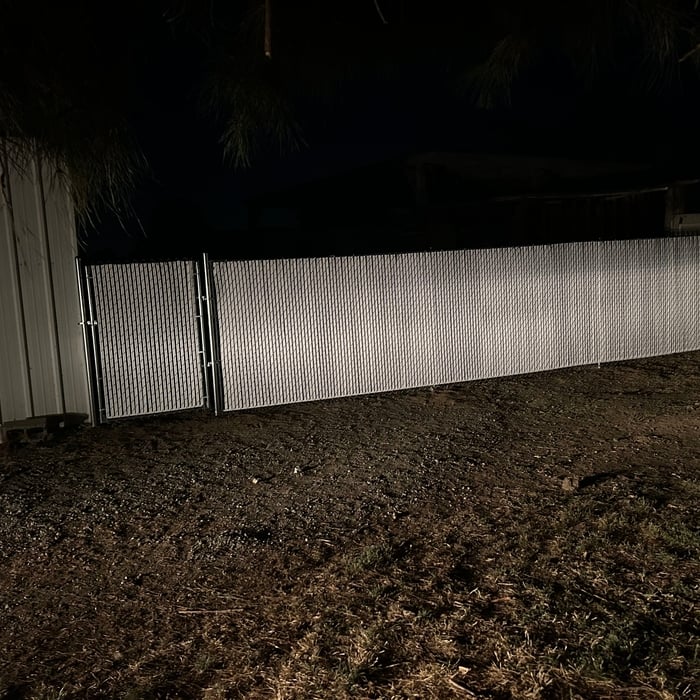
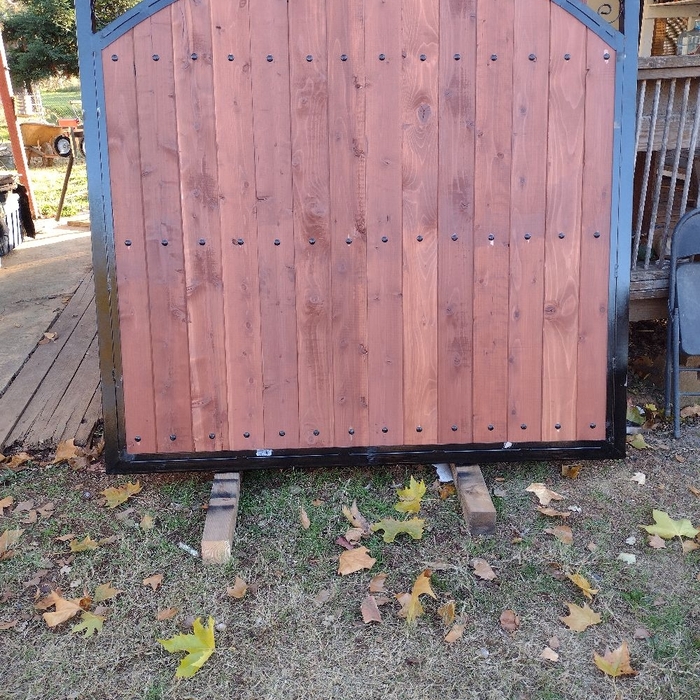
3division gate
3division gate
3division gate
3division gate
Additional Photos

+28

Recommended by100%of homeowners
Animal Fencing questions, answered by experts

When baiting an iguana trap, several items should be avoided. Do not use poisonous baits, such as those intended for rats or mice. This practice is often illegal, is unlikely to attract iguanas, and poses a significant risk to pets or other wildlife. Additionally, avoid using herbs, fruits, and vegetables that are toxic to iguanas, such as fresh sage, rosemary, avocados, and eggplants. While ripe fruit can be an effective bait, be sure to remove any pits or seeds from fruits like apples, pears, and peaches, as they are highly toxic. Finally, steer clear of citrus fruits, which act as a natural deterrent.

Once the animals and their young are out of the house, remove the nest and locate any entry points. Some may be difficult to find because some animals can fit through very small holes. Once you’ve located as many entry points as possible, use materials such as metal or masonry to block off the entry. Ideally, you should choose materials that most animals cannot chew through. Create a one-way door or flap to allow animals to leave but not return. Additional methods include using repellants designed to make an area unappealing to the types of animals that find your home so inviting. 

Groundhogs have a strong aversion to powerful scents, including garlic, ammonia, vinegar, hot peppers like cayenne, and predator urine. Various herbs such as rosemary, lavender, basil, mint, sage, thyme, and oregano can also act as deterrents. You can strategically use these odors around your property by planting these crops near your garden and by the entrances to groundhog burrows. Commercially available repellents offer another option, and for best results, scent-based deterrents should be used alongside other preventive measures.

DIY animal removal is rarely a good idea and is not advised for many reasons. First, these types of animals can carry diseases and, therefore, pose a health risk to you, your family, and your pets if mishandled. Second, depending on your city or municipality, it may be illegal to remove or handle wildlife yourself. 

Sealing your home against these animals yourself is also a bad idea. Trapping an animal under your house will cause odor and insect problems when it passes away. 

Gophers do not hibernate, meaning you could, at least theoretically, have a gopher problem in your yard any time of year. During the colder parts of the year when soil isn't as easy to work with, gophers may not dig as many holes or be as active and instead will burrow deeper into the earth to go below the frost line to stay warm.

You can expect to see more gopher activity during the spring and fall when warmer temperatures make digging easy, and there is an abundance of new (or recently harvested) plant life available for them to graze on. They come out during the day and sleep at night.

The Williams, CA homeowners’ guide to animal fencing services

From average costs to expert advice, get all the answers you need to get your job done.