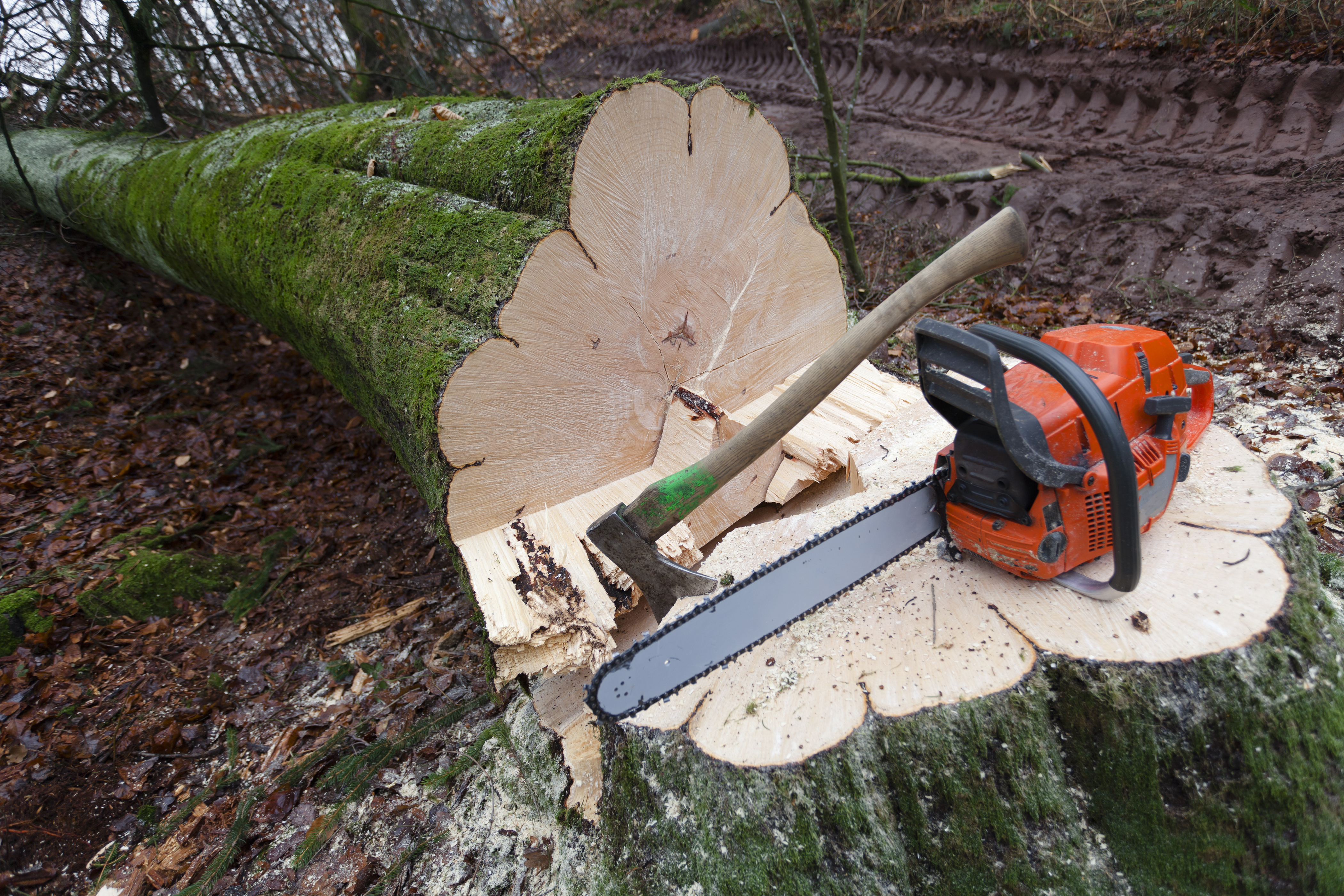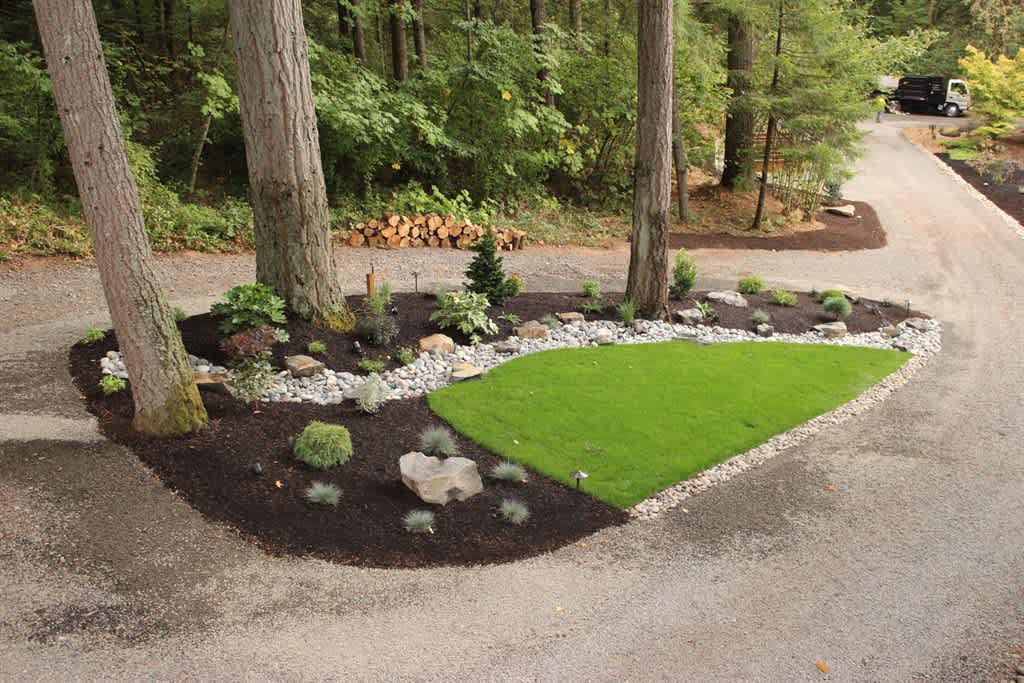
To remove a shrub, start by cutting back the shrub using pruning shears, loppers, or a chainsaw. Next, dig around the base of the shrub with a pointed shovel to expose its root system. Then, use a shovel or a mattock to loosen the roots, making it easier to pull or lift the shrub from the ground. For larger shrubs or stubborn root systems, attaching a chain or strap to the base and using a vehicle to pull it out can be effective. Ensure proper disposal of the shrub and its debris following local waste disposal guidelines.
The most common alternative is burning the stump first, then dealing with the cinders and ashes. As you can imagine, this option creates fire hazards, especially since roots can burn underground, hidden, for long afterward. That’s why many states and cities have outlawed the use of stump burning entirely. We do not recommend this option as a viable alternative unless you get a permit from the local fire department and practice all safe burning procedures.
Others prefer a more long-term DIY approach of degrading the stump with home mixtures like Epsom salt and vinegar injected directly into it. This may help the stump decay faster, allowing homeowners to dig it out themselves, but it’s still a lengthy process. It usually takes months for a stump to start falling apart with such treatments, and in the meantime, it can be vulnerable to rot, insects, and other problems.
It typically takes six to 12 months for leaves to decompose entirely. The process involves the mulch composting into your lawn to deliver nutrients that facilitate grass growth. The recommended process is to spread a thick layer of leaf mulch over your garden and let it marinate for a few seasons for best long-term results.
The easiest way to remove bushes is first to cut the bush down. You may need to use a handsaw, pruning shears, or a chainsaw for thicker branches. Once you’ve removed most of the branches, you can then cut the base of the shrub as low to the ground as you can get. Then, with a shovel, dig around until you expose the roots. Dig out the roots, being careful not to leave any roots in the soil.
The growth of tall fescue grass often causes clumps of grass in your lawn. Avoid pulling up the clumps, as it won’t effectively remove them. Instead, dig out clumps and their roots when you notice them early in the growing season. Herbicides can also treat grass clumps, but they can also affect other plants you might not want to kill, so use them sparingly and always follow manufacturer instructions.
The Carlsbad, CA homeowners’ guide to brush chipping services
From average costs to expert advice, get all the answers you need to get your job done.
If your painted deck is less than appealing, it's time for a refresh. DIY your paint removal from your deck to enjoy your outdoor space for many seasons.
Cleaning the latex paint from your brushes is the easiest part of the entire painting process when you have the right tools and techniques. Find out how to clean your brushes like a professional painter with these three simple tips.