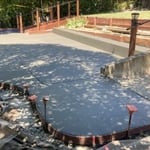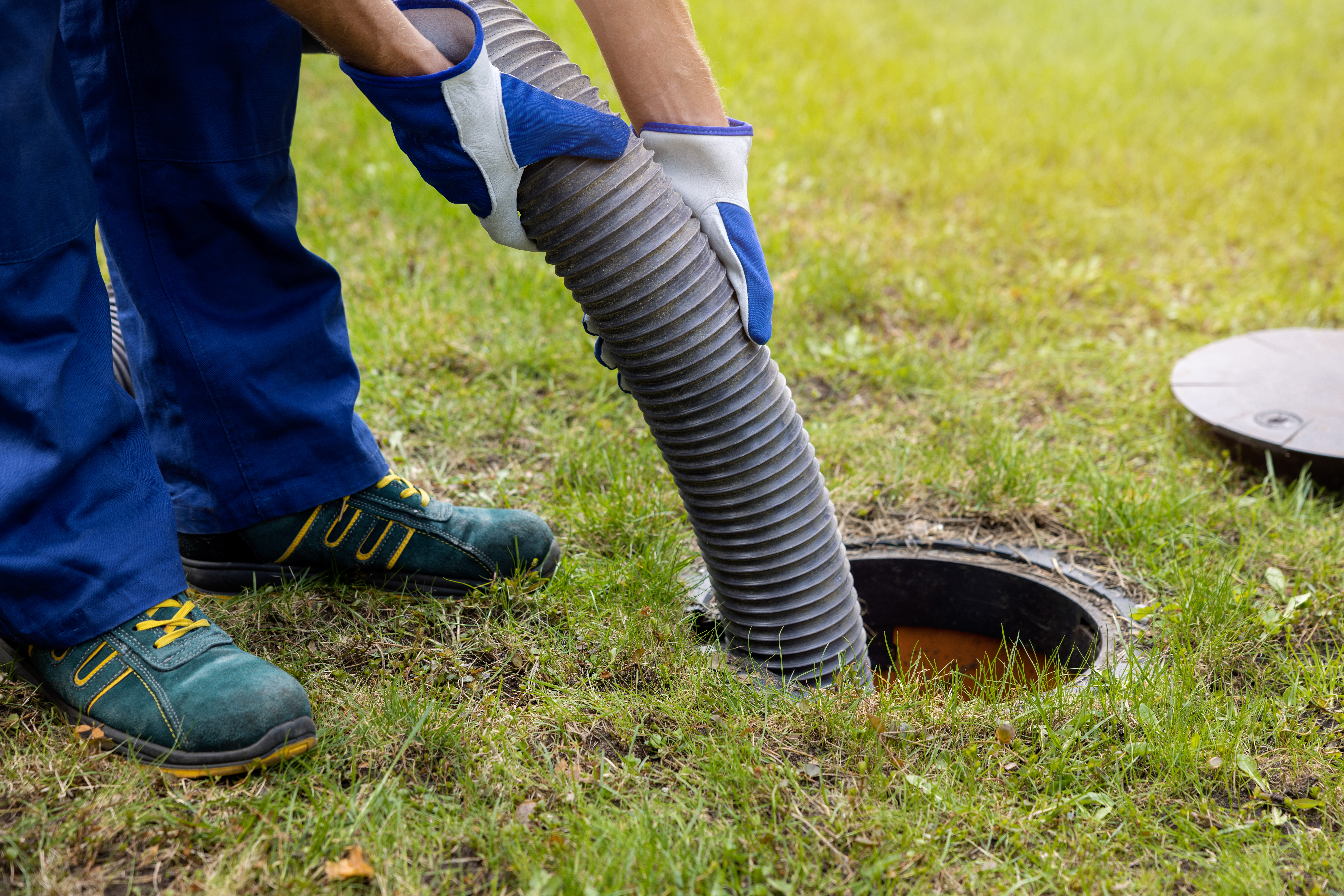



"Scott Nelson was very prompt and responded to my situation quickly as I was in a bit of a panic. There was a hole developing under a sidewalk at the side of my house. He explained that it was an old redwood septic tank and he could fill it in properly and replace the pavers. He did all the work the very next day."

"He was able to quickly diagnose that the water leak from the water heater was a result of a ruptured tank, resulting in the need to replace the entire water heater."
"I just pay $75 you never know who's going to come out. They do everything electrical. Just about everything is covered except the septic tank. I had an air conditioner replaced. It went great, all I had to do was pay for the freon. He didn't charge e more than what was needed."
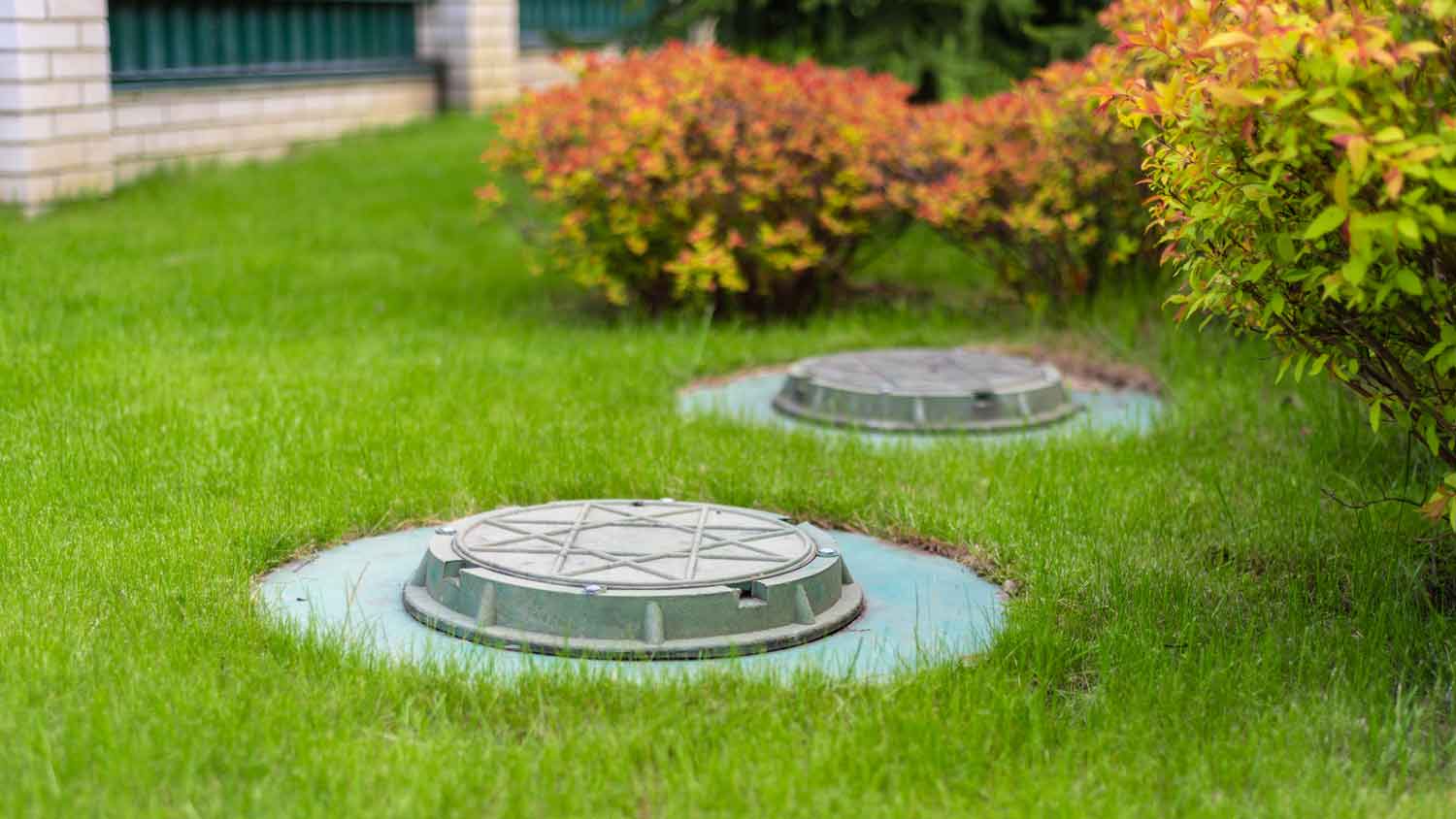
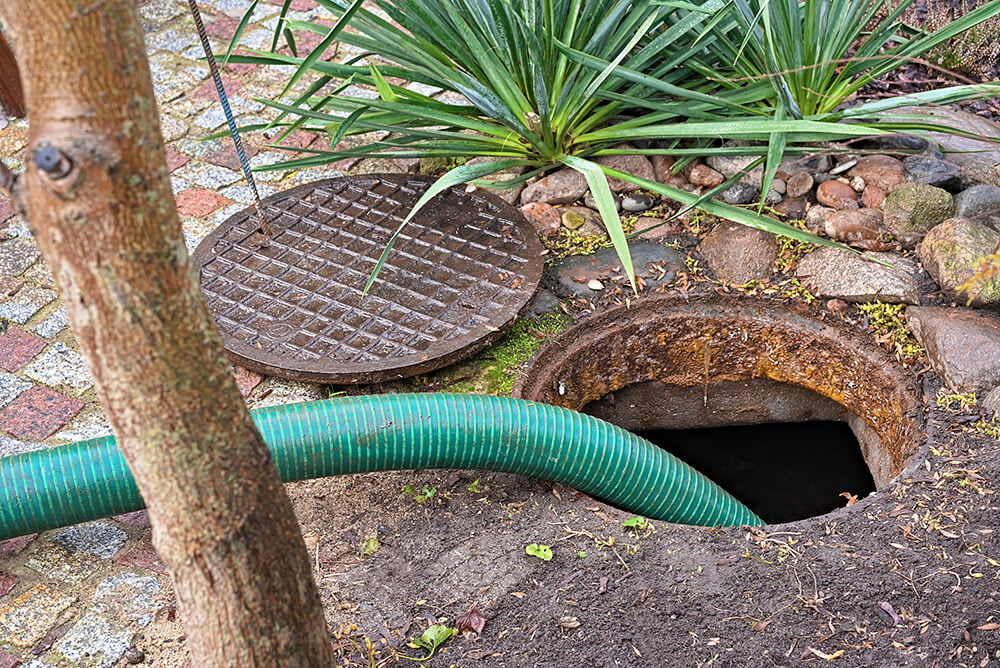
Yes, a septic tank can get full. If this happens, you might run into issues flushing your toilets or draining your sinks. You may also notice your pipes making gurgling noises or the smell of sewage floating around your house. Other signs of a backed-up septic tank include water pooling or fresh, healthy grass growing above your drain field.
You can put yogurt in your septic tank, but it will not increase the bacteria in your septic tank. In other words, it won't harm your tank, but it won't get rid of a septic smell or boost the performance of your septic system. While yogurt contains helpful bacteria, you would need to buy an extraordinary amount of yogurt to make any difference. Adding yogurt is not a helpful or cost-effective strategy.
The pressure in a well pressure tank should be set 2 to 3 PSI below the pump's cut-on pressure. The cut-on pressure is the lower number in the pressure setting (e.g., the '30' in 30/50 PSI) and is the point at which the pump starts. The cut-out pressure is the higher number, where the pump stops.
For example:
If your pressure switch is set to 30/50 PSI, the tank pressure should be 27-28 PSI.
If your pressure switch is set to 40/60 PSI, the tank pressure should be 38 PSI.
Common pressure settings for household applications include 20/40, 30/50, and 40/60 PSI. The difference between the cut-on and cut-out pressure is typically 20 PSI.
Most well pump pressure switches have a factory setting of 30 to 50 PSI. There’s some flexibility with this if you’d like a lower or higher water pressure, but remember that it should sit 2 to 3 PSI above your well tank’s general pressure setting.
The inside of your pressure switch cover will usually indicate minimum and maximum settings—going below and above the numbers might damage your well pump.
Most deep wells can be expected to last somewhere between 30 and 50 years. This assumes that the well and all of its components are properly maintained on a regular basis. During this time, it is unlikely that modern deep wells will run dry over the course of their typical lifespan. That is one of the biggest benefits of digging a deeper well.
The Alturas, CA homeowners’ guide to septic tank services
From average costs to expert advice, get all the answers you need to get your job done.
Caring for your septic system is crucial to ensuring its long life. But how much does it cost to pump a septic tank? We explore the different cost factors.
A damaged septic system can leak odors and sewage, so repairs are urgent. Find out how much septic tank repair costs based on repair type, tank size, and more.
Septic tank risers make it easy to access your septic tank when it’s time for routine inspection, maintenance, and pumping, saving you precious time and labor costs.
Septic tank sizes vary depending on the size of your home, how many people live there, how much water you use, and more. Read on to learn how to determine the right size for you.