"The young guy who did the work was prompt and professional, but not well trained. He power washed my patio BEFORE blowing the leaves and sticks off my roof, so all the debris landed on my just cleaned patio, and he didn't follow up to clean it off. He forgot to do the garage door and was all packed up when he asked me to inspect, so I just let it ride.
When cleaning your patio, you’ll need to ensure the chemicals you use aren’t harsh enough to destroy the seal or stones. You can clean the stones with a mixture of white vinegar and water or soapy water and a scrub brush. Just be sure not to use wire brushes, as these can scratch the surface.
To clean stone tiles, first sweep or vacuum to remove dirt particles. Use a mild, pH-neutral detergent and warm water to mop. Be careful not to use acidic cleaning solutions, such as vinegar and lemon juice, which can damage the surface.
Using water when cutting stone drastically reduces the amount of dust that comes off the stone. It’s beneficial to cut down on the amount of dust for respiratory and other safety reasons, such as keeping your vision clear while using an electric tool. Even with protective eyewear, the dust can still cloud your safety glasses. You should always wear protective gear when cutting stone.
To properly maintain natural stone surfaces, use pH-neutral cleaners for regular cleaning and avoid acidic substances that can cause damage or etching. It is also important to reseal the surfaces periodically, especially for porous stones, to protect the finish, maintain appearance, and ensure longevity.
In most cases, chipped or cracked granite can be salvaged, but it depends on the size and scope of the damage. For example, a pro can smooth out small chips on the edge with polish pads or an angle grinder, but a crack that runs through the stone's surface has little-to-no chance of being fixed easily.
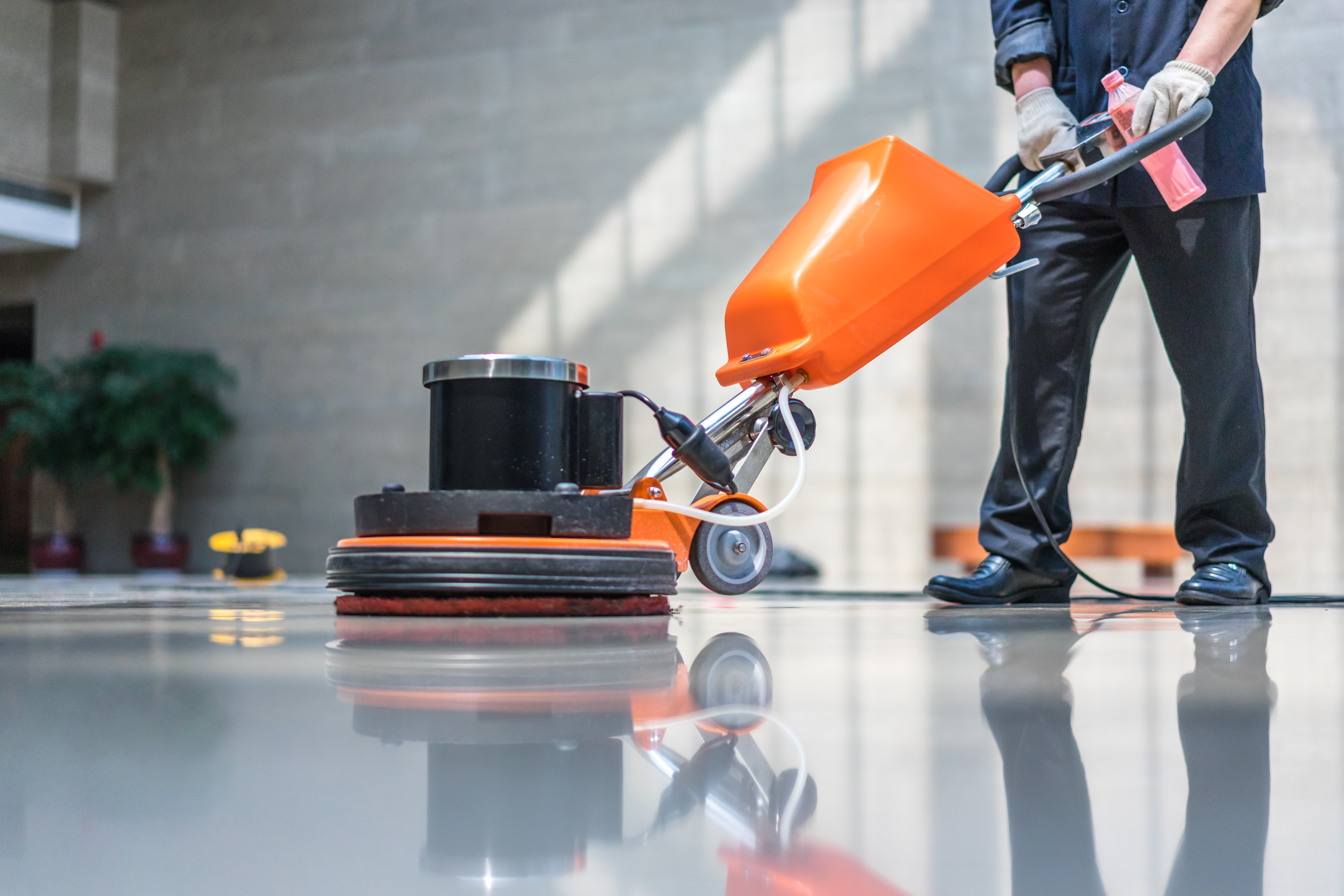
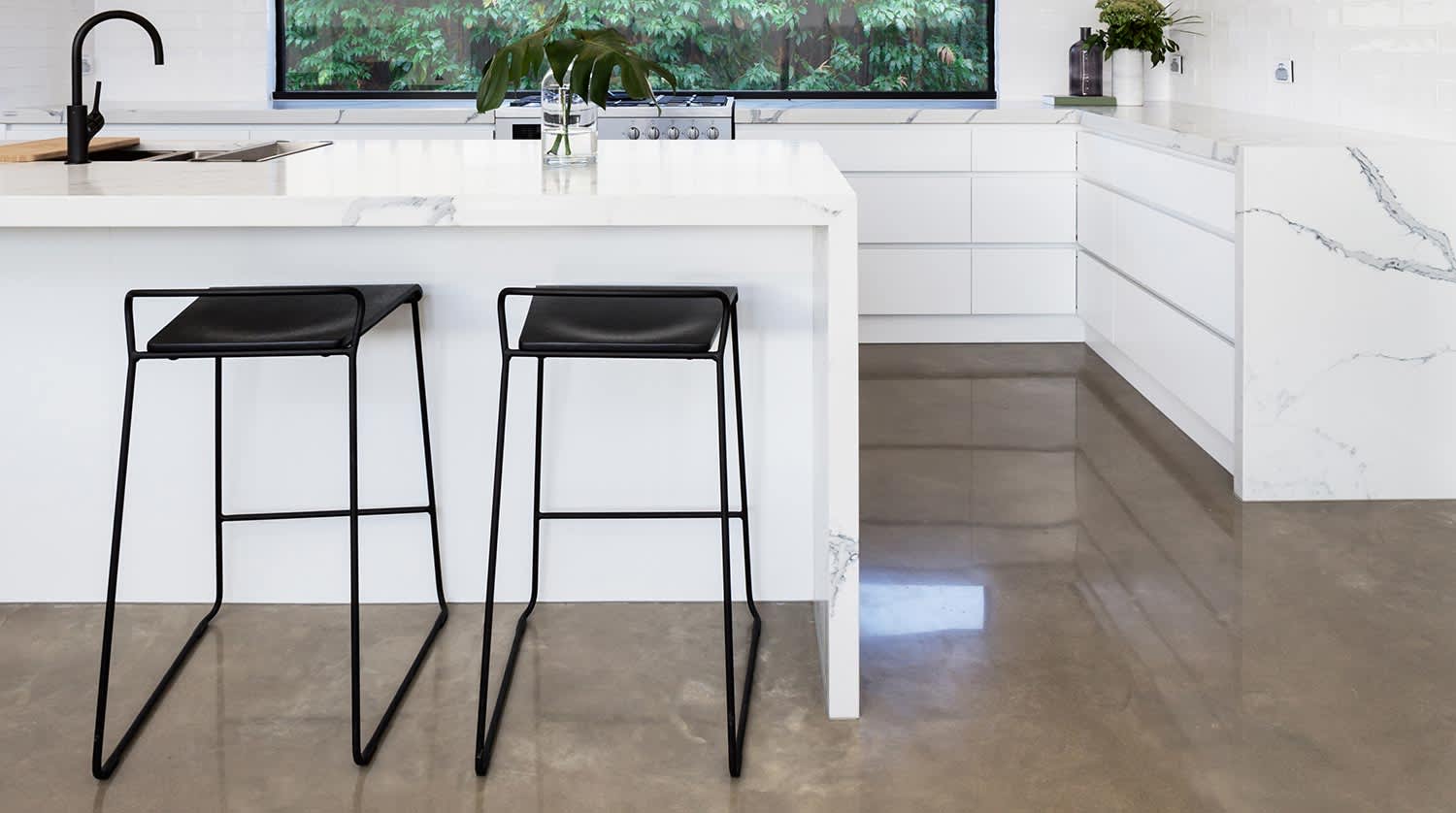
The Alturas, CA homeowners’ guide to buffing and polishing services
From average costs to expert advice, get all the answers you need to get your job done.