Top-rated radon detection and reduction specialists.

Get matched with top radon detection and reduction specialists in Young, AZ

Enter your zip and get matched with up to 5 pros

Need a pro for your radon detection and reduction project in Young, AZ?

Select your specific project to find the pro for you.

Find Radon detection and reduction specialists in Young

Avatar for 1-800 Water Damage of Prescott & North Scottsdale
1-800 Water Damage of Prescott & North Scottsdale
5.0(
2
)

Serving Young, AZ and surrounding areas

In business since 2023

Free estimates

Emergency services offered

Our mission is to be a water damage specialist that brings back the personal touch with our customers. We will build a relationship that will last a lifetime once you see our quality work. We're passionate about delivering an exceptional experience. When you hire us, you're hiring a team of professionals who are trained and skilled to deliver lasting value to your home. As a locally owned and operated business we feel invested in our clients and constantly strive for customer satisfaction. We won't leave until the job is done right! Call or click to schedule an estimate today!

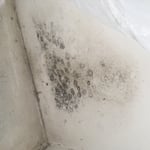
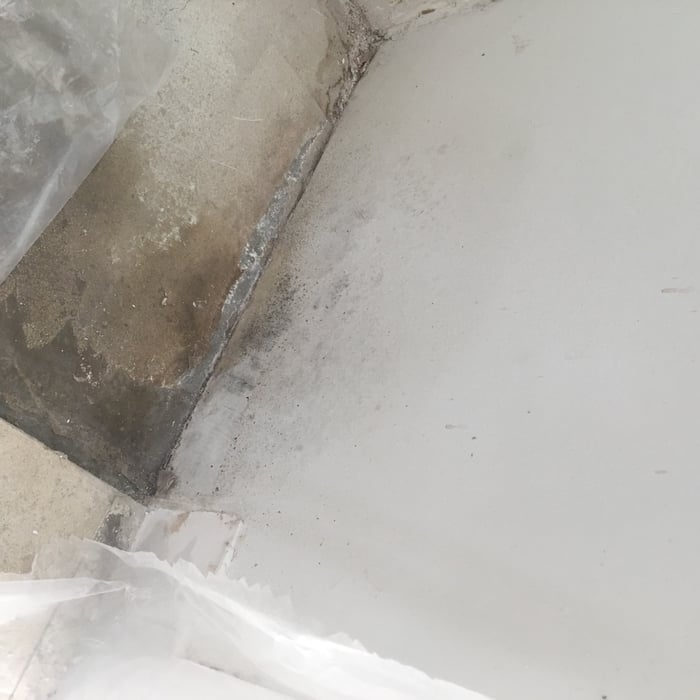
Mold Remediation
Mold Remediation
Mold Remediation
Mold Remediation
Mold Remediation

+8

Radon Detection and Reduction questions, answered by experts

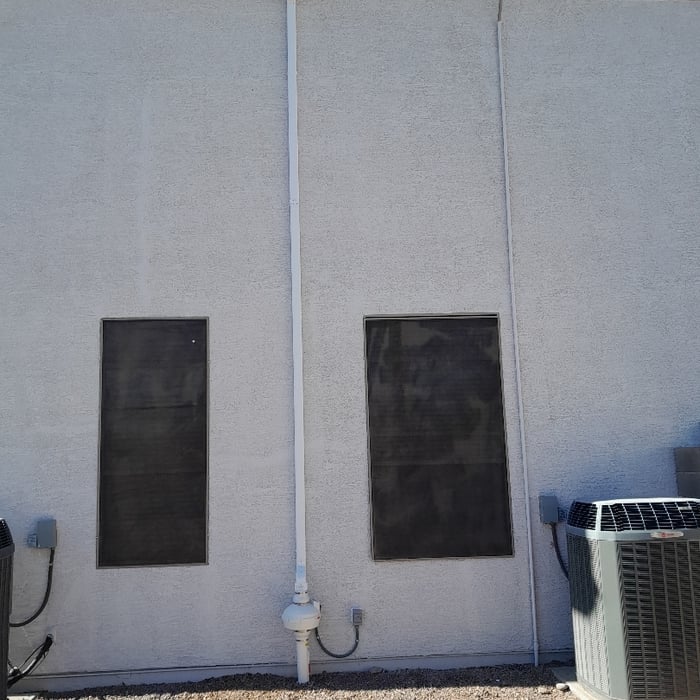
Your radon mitigation system may be loud because it’s time to replace it. Any sounds are usually from the inline fan that helps create the vacuum and resulting airflow. If you hear a new, loud mechanical or humming noise from your radon fan, it might be time to replace it. Most fans used in radon mitigation systems last up to 10 years, but may need to be replaced sooner.

No level of radon is technically safe, but since it is present everywhere, complete avoidance is impossible. The average radon level in homes across the United States is 1.3 picocuries per liter (pCi/L). The Environmental Protection Agency (EPA) recommends taking preventative measures if your home's radon levels are between 2 and 4 pCi/L or higher.

Radon enters your home when warm air begins to rise and exits through the roof, creating a vacuum that pulls cooler air from under the foundation. Part of that air is radon, which is an invisible, odorless gas that develops naturally when radioactive particles are deep within the ground. Those particles usually come from decaying matter in soil and rocks.

Radon is present almost everywhere but, like sunlight, the concentration levels and how often you are exposed to it have a large part to play in just how dangerous it is. There are levels of radon that are acceptable inside a house, but above a certain limit, radon becomes a serious radioactive hazard that is a known cause of lung cancer. In fact, radon exposure is the number two leading cause of lung cancer (after smoking).

Installing a mitigation system reduces radon levels, which can cause lung cancer, providing peace of mind and long-term health benefits. It can also increase your home’s value, as many buyers prefer properties with radon safety measures in place. The investment is relatively low compared to the potential health risks associated with prolonged radon exposure.

The Young, AZ homeowners’ guide to radon detection and reduction services

From average costs to expert advice, get all the answers you need to get your job done.

What do you need done? We’ll find top pros.
  • 🌱 "Mow a small front yard"
  • 🛠 "Fix a leaking pipe under the sink"
  • 🏠 "Repair shingles on an asphalt roof"