"I only use James when I need some work done to my house. He responds fast, gets the work done quicker than just about anyone else I've ever used and seems very concerned with leaving his customers happy."
A plastic vapor barrier should completely cover your basement to prevent water from penetrating through the walls. This typically goes before installing insulation to prevent moisture from building up and becoming trapped on the inside of your insulation, where it can collect and lead to mold damage. Installing insulation after the vapor barrier allows for any moisture to exit the walls for better ventilation.
Several factors can impact the cost of waterproofing your basement.
Some of the most common cost factors include:
Location
Square footage
Cause of the water leak
Type of foundation
Accessibility
Waterproofing method
Materials
Contractor experience and availability
Engineering reports, if needed
Structural and other repairs
Permits
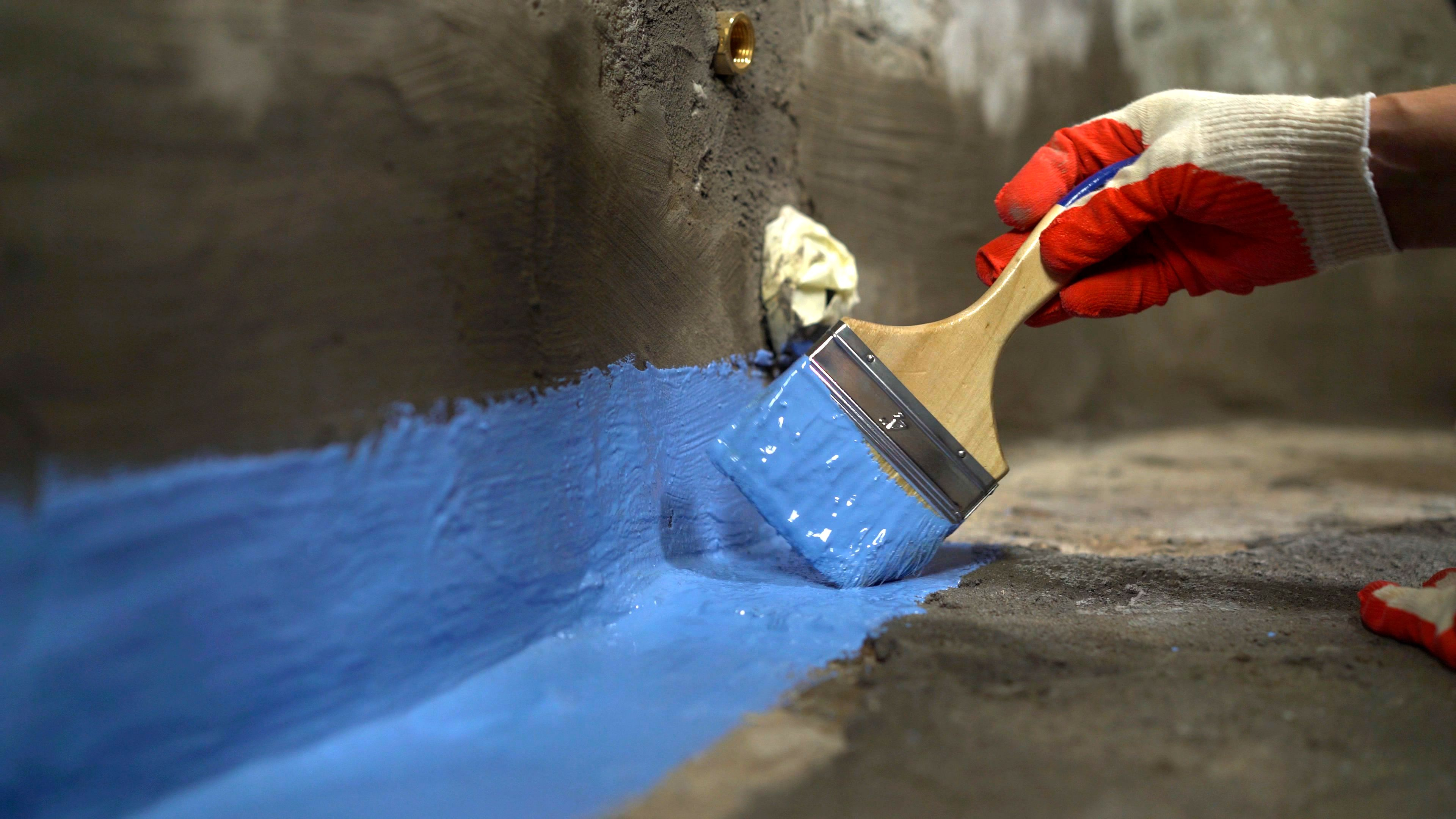
Many prevention methods can be used individually or in combination to waterproof your basement. Some of the most common waterproofing methods include:
Using dehumidifiers
Silicate concrete sealers
Vapor barriers
Baseboard channels
Drain tile systems
Waterproofing paint
Drainage systems
Epoxy injection
Interior French drains
Exterior excavation and waterproofing
Cement waterproofing
Weep tiles
Liquid membrane
Sheet membrane
Yard grading
Gutters and downspouts
The purpose of crawl space encapsulation is to prevent mold by blocking moisture and reducing humidity. If the vapor barrier is properly installed, it significantly reduces the chance of mold developing within the crawl space. However, mold can sometimes grow behind the encapsulation material, but it will be sealed away from the main area. Additionally, moisture can still condense inside the encapsulated space, so if you notice excess humidity, installing a dehumidifier is recommended to prevent mold and mildew growth.
You don’t always need to install a dehumidifier in your encapsulated crawl space, but it might be a good idea in certain instances. If you notice obvious signs of condensation, mold, or musty smells permeating from your crawl space, a dehumidifier can help. It’s ideal for homes in humid areas.
In a worst case scenario, structural damage like rust on metal beams, rotting wood, and swelling on doors and windows can signal moisture problems that would benefit from a dehumidifier.
The Bylas, AZ homeowners’ guide to basement waterproofing services
From average costs to expert advice, get all the answers you need to get your job done.
Need to fix basement water problems or safeguard your home from damage in the future? Use this basement waterproofing cost guide to budget appropriately.
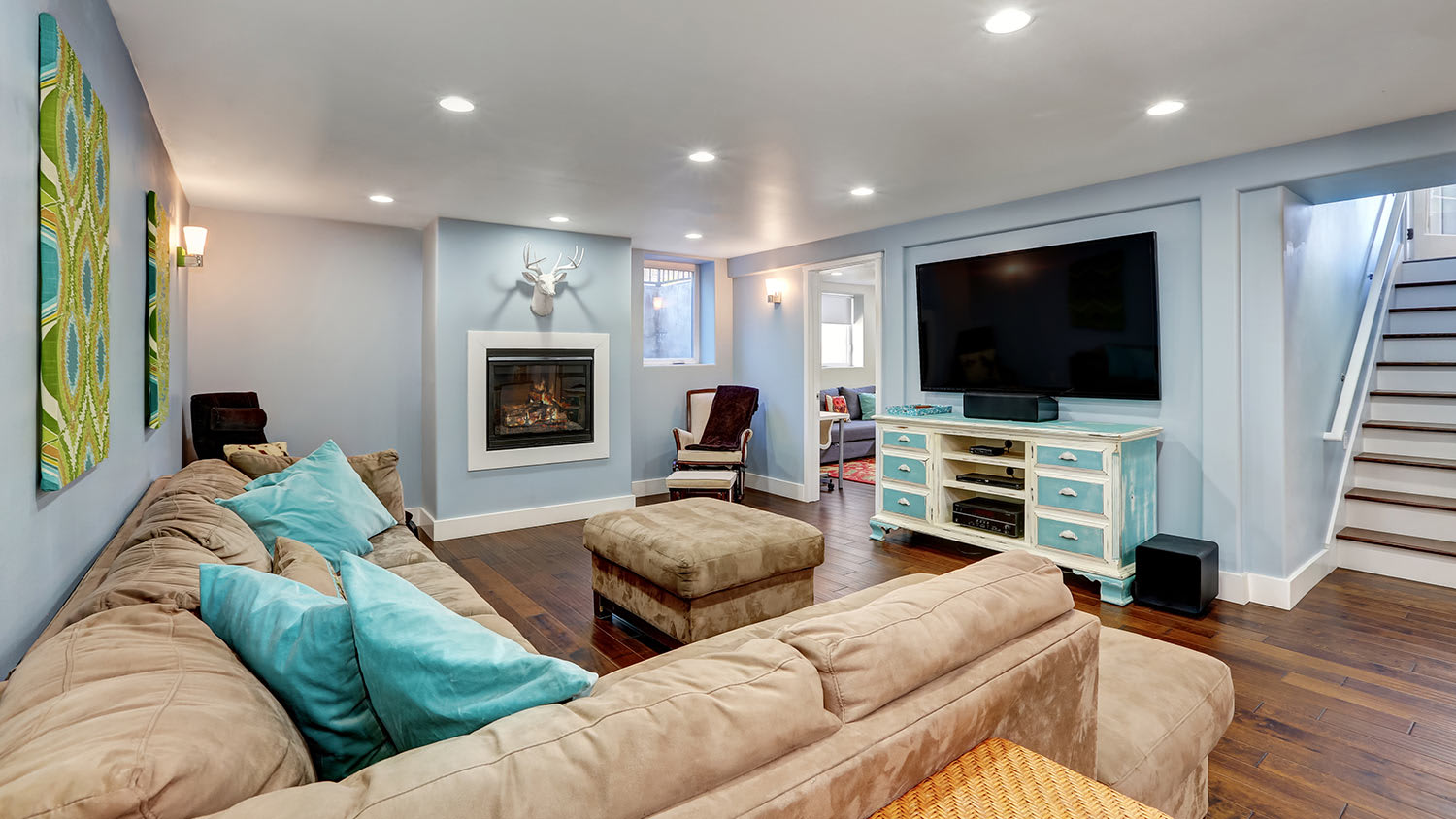
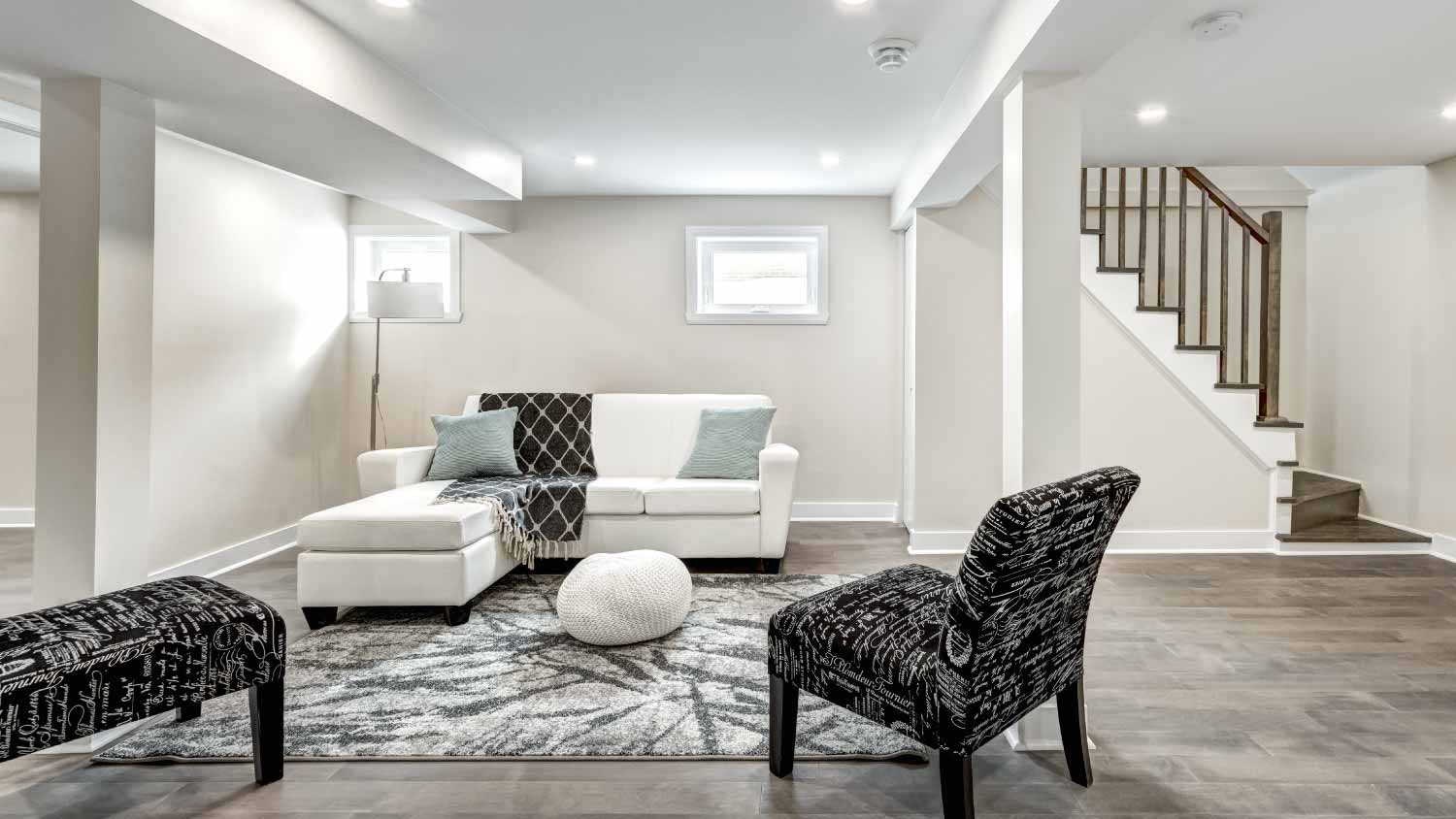
An unfinished basement has a lot of potential for a family room or guest suite. So how much does it cost to finish a basement? Read on for all cost factors.
Dealing with a damp basement? Follow these steps for DIY basement waterproofing to keep water and moisture out and boost your home’s energy efficiency.
Can’t seem to get rid of the moisture and mold in your basement? Learn why basements tend to hold moisture and how to get rid of moisture in the basement.