




Top-rated masons.

Get matched with top masons in Saint Johns, AZ

Enter your zip and get matched with up to 5 pros

Need a pro for your masonry work project in Saint Johns, AZ?

Select your specific project to find the pro for you.

Find Masons in Saint Johns

Avatar for Diamond Dust Concrete
Diamond Dust Concrete
5.0(
5
)

Serving Saint Johns, AZ and surrounding areas

In business since 2024

"The crew of Diamond Dust Concrete was very professional. They showed up when they said they would and the work was amazing. Will surely hire Diamond Dust Concrete for our next concrete job."
Response time2 hrs
Recommended by80%of homeowners
A-PAC Pressure Grouting, Inc.
4.0(
2
)

Serving Saint Johns, AZ and surrounding areas

In business since 1989

Free estimates

"A -PAC was not too eager to do the job. They never called back after I discussed my chimney problem with Bob. Another company did the repair and did a wonderful job using 4 helical piers stabilizing and jacking the chimney up to it's original position. I would strongly recommend that you include this company in your list of foundation contractors."
 SRP TOWER MODIFICATION
 NEW CONSTRUCTION - UNDERPINNING
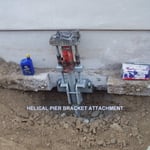
 HELICAL PIER BRACKET ATTACHMENT
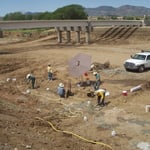
BRIDGE FOUNDATIONS - PRESSURE GROUTING
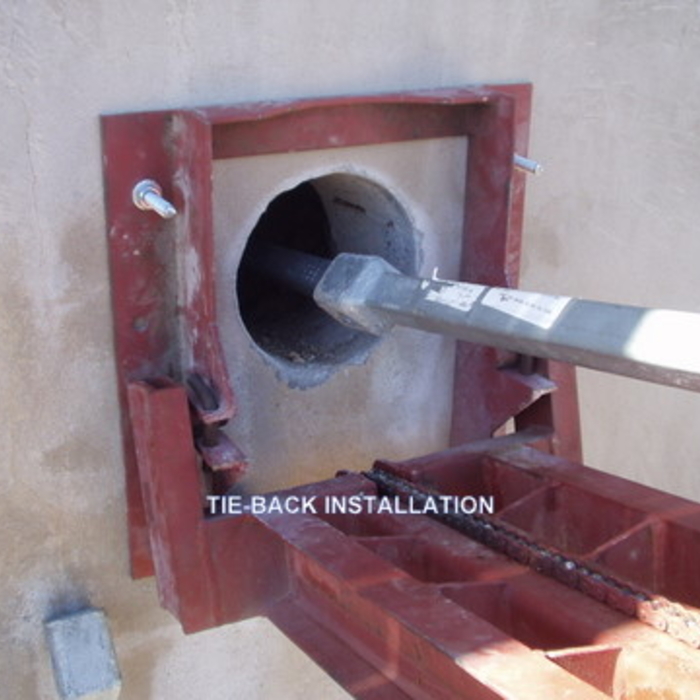
 TIE-BACK INSTALLATION

+2

Recommended by100%of homeowners
Showing 1-10 of 14
Masonry questions, answered by experts

Yes, brick should be clean before staining to ensure the best results. Dirt, dust, mold, mildew, and other substances on the brick can prevent the stain from properly adhering to it. Thoroughly cleaning the brick allows the stain to penetrate and bond to the surface more effectively. Cleaning typically involves using a pressure washer or a stiff brush with mild detergent. However, stubborn residue may require a specialized masonry cleaner.

Mortar and thinset both serve the same purpose—tile adhesion—but have different compositions and use-cases. Thinset is heatproof and presents a wide range of possibilities due to the added polymers. Mortar is typically used for bonding stones and brick. Thinset is rarely used outside, while mortar is rarely used inside.

Yes, you can technically use a pressure washer to remove paint from brick, but it comes with a significant risk of damaging the brick surface. A high-power pressure washer can be fast but may leave the brick looking unsightly. The recommended method is to first apply a chemical paint stripper, following the product's instructions, and then use a stiff metal bristle brush or a pressure washer on a low-pressure setting to remove the loosened paint. Due to the risk of damage, it is often best to hire a professional who can use low-stress methods.

It’s called cobblestone because it’s made of stones that are “cobbed” together. A cob is a term that refers to rounded lumps. Originally, cobblestone streets were made from pebbles and stones gathered from riverbeds that had been rounded over time by the passage of water. The term has nothing to do with a cobbler, which is the term for someone who makes and fixes shoes.

Staining or painting brick isn’t something to do on a whim. Make sure you really want to live with stained brick, because once you apply the stain, it’s permanent. Sure, it will fade over time, but you can’t restore the brick to its natural tones after applying a stain or paint.

The Saint Johns, AZ homeowners’ guide to masonry services

From average costs to expert advice, get all the answers you need to get your job done.