"Alex and Donavan were very thorough. Discovered more than what we called them for. We originally wanted information on sealing cracks to eliminate cricket infestation coming through cracks in stem wall. We were not interested in repairing foundation rebar which is typical in slab homes in AZ. They were knowledgeable and honest in their evaluation of our home."
"I only use James when I need some work done to my house. He responds fast, gets the work done quicker than just about anyone else I've ever used and seems very concerned with leaving his customers happy."
Basement Waterproofing questions, answered by experts
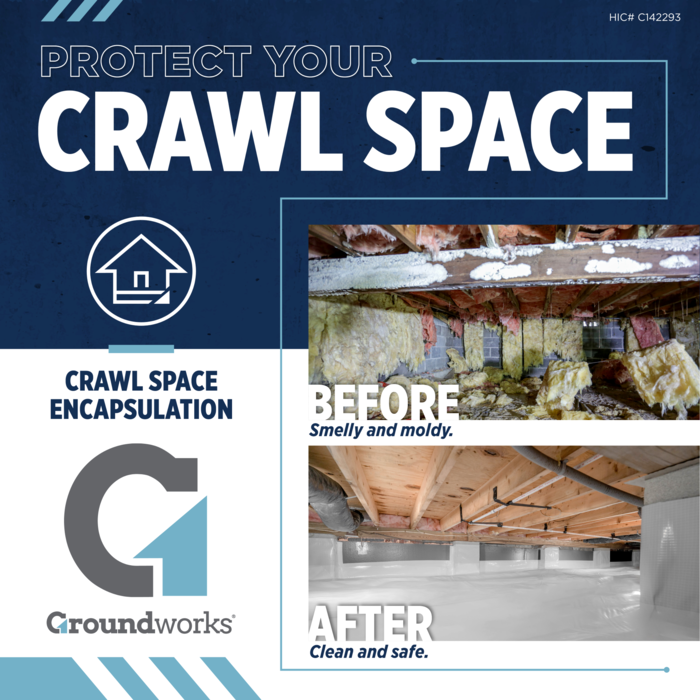
In nearly all cases, you are required to install a vapor barrier in your crawl space. However, local regulations will change based on the local climate and the crawl space's susceptibility to moisture. Even if a vapor barrier is not legally required, it is often a good idea to keep your crawl space dry.
Regular inspections, maintaining proper grading around the foundation, and keeping gutters clear are advisable. Vapor barriers and sealants may need checking for wear after several years.
It is better to have a crawl space that is tailored to the outside temperature, your needs, and the season. For example, it is much better to have a vented space when it’s very hot outside and your AC bills are sky-high. Conversely, when the temperature drops and humidity rises, it is almost always better to have your vents shut and covered if possible.
If foundation problems are not fixed, they will likely worsen over time, leading to more complex and expensive repairs. Neglecting a damaged foundation can cause a range of issues, including:
Structural Damage: Minor problems like small cracks can escalate into major structural issues. This can damage the house above the foundation and, in severe cases, lead to foundation walls caving in or a total collapse.
Water Damage and Pests: Moisture and water intrusion can cause flooding, mold growth, and pest infestations.
Health and Safety Risks: Mold can lead to poor indoor air quality and other health risks, while structural instability poses a significant safety hazard.
Reduced Home Efficiency: A compromised foundation can negatively impact your home's energy efficiency.
To avoid these escalating problems and costs, it's best to hire a foundation repair company to address any issues as soon as you become aware of them. The earlier problems are discovered and fixed, the lower the repair cost will likely be.
Preventing water accumulation involves regular inspections, maintaining effective drainage systems, ensuring proper roof maintenance, and taking preventive measures against heavy rainfall or floods.
The Leupp, AZ homeowners’ guide to basement waterproofing services
From average costs to expert advice, get all the answers you need to get your job done.
Need to fix basement water problems or safeguard your home from damage in the future? Use this basement waterproofing cost guide to budget appropriately.
An unfinished basement has a lot of potential for a family room or guest suite. So how much does it cost to finish a basement? Read on for all cost factors.
Dealing with a damp basement? Follow these steps for DIY basement waterproofing to keep water and moisture out and boost your home’s energy efficiency.
Can’t seem to get rid of the moisture and mold in your basement? Learn why basements tend to hold moisture and how to get rid of moisture in the basement.