
Top-rated radon detection and reduction specialists.

Get matched with top radon detection and reduction specialists in Duncan, AZ

Enter your zip and get matched with up to 5 pros

Need a pro for your radon detection and reduction project in Duncan, AZ?

Select your specific project to find the pro for you.

Find Radon detection and reduction specialists in Duncan

Avatar for Affordable Radon Southwest
Affordable Radon Southwest
4.7(
356
)

Serving Duncan, AZ and surrounding areas

Approved

Super Service Award Winner

In business since 2011

Free estimates

Warranties offered

"A potential buyer for a house I was selling had a Radon Test done. It scored a 13.7! Affordable Radon came out and gave me a bid for two systems, one for each side of the house. 3 weeks later the score is 1.1! They did a great job and got rid of the radon from beneath the slab!"
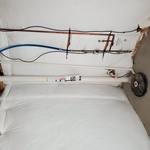
Radon Mitigation System
Radon System

+12

Response time1 day
Response rate89%
5 neighbors recently requested a quote
Radon Detection and Reduction questions, answered by experts

The cost to replace a radon fan ranges from $300 to $600 for the fan itself, with installation adding an additional $200 to $500. Overall, the total cost for replacement can range from $500 to $1,100, depending on factors such as the fan model, home size, and local labor rates. If the fan is part of a larger radon mitigation system, the price may be higher.

The soil beneath your house is most likely what’s causing an increased level of radon. This is because soil holds radioactivity for a long time and it’s also what most buildings are built on. Another common source of radon is water from a source that hasn’t been through periodic radon tests, such as well water. Over time, the radon from the soil can inhabit other parts of your house like the foundation or plumbing.

Radon detection is crucial as prolonged exposure to radon gas, a leading cause of lung cancer, poses significant health risks in residential environments.

Your radon fan needs to operate 24/7 to be effective. The only time the fan isn't operating is during its replacement. Radon levels in the home can increase within hours if the fan stops working or something obstructs the stack vent. Fortunately, radon systems require no downtime maintenance between fan changes.

Radon enters your home when warm air begins to rise and exits through the roof, creating a vacuum that pulls cooler air from under the foundation. Part of that air is radon, which is an invisible, odorless gas that develops naturally when radioactive particles are deep within the ground. Those particles usually come from decaying matter in soil and rocks.

The Duncan, AZ homeowners’ guide to radon detection and reduction services

From average costs to expert advice, get all the answers you need to get your job done.